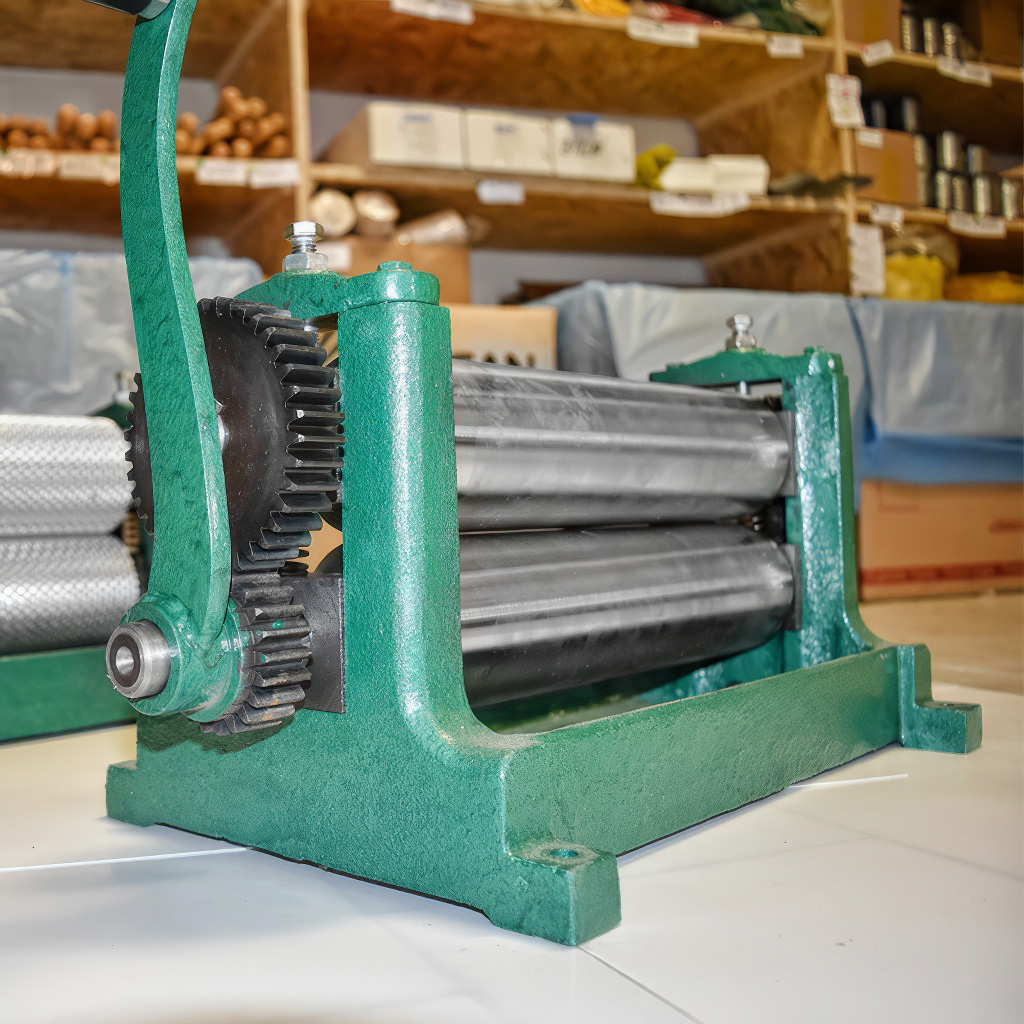
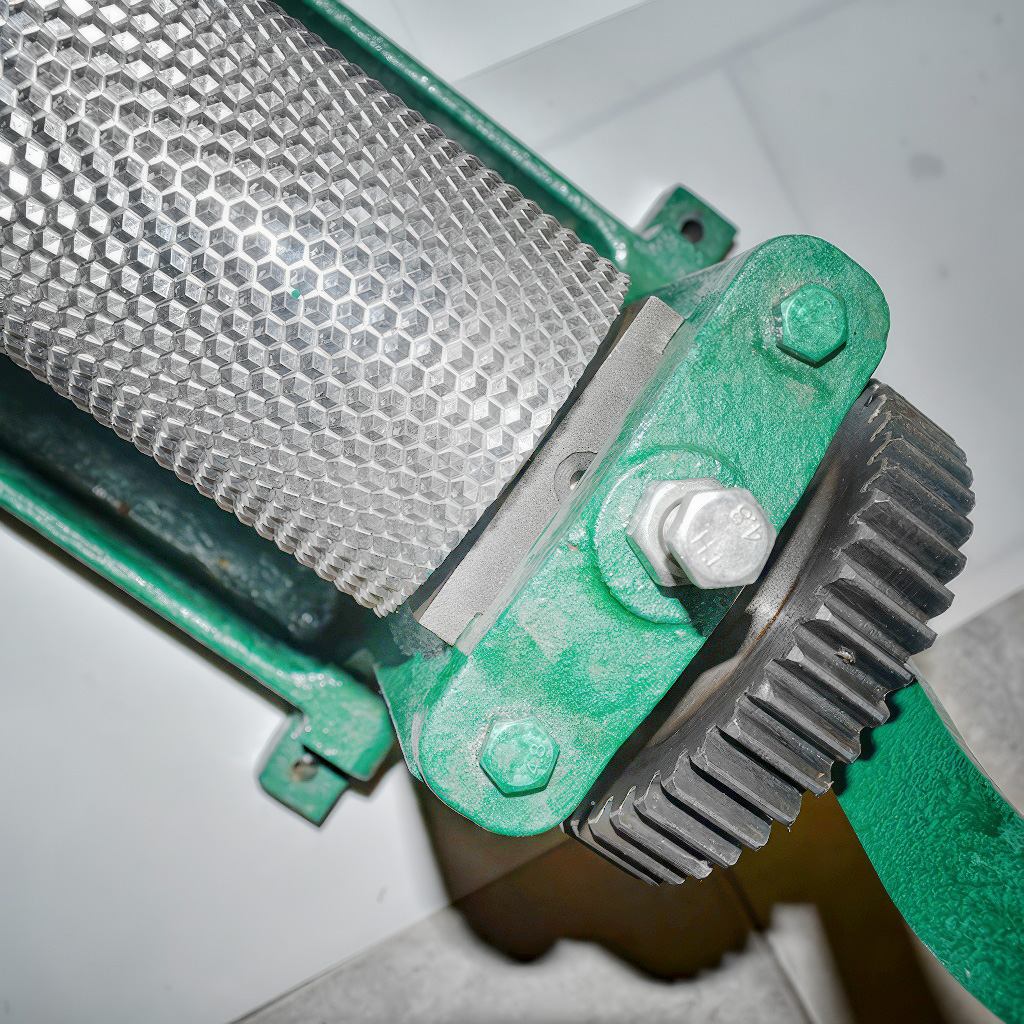
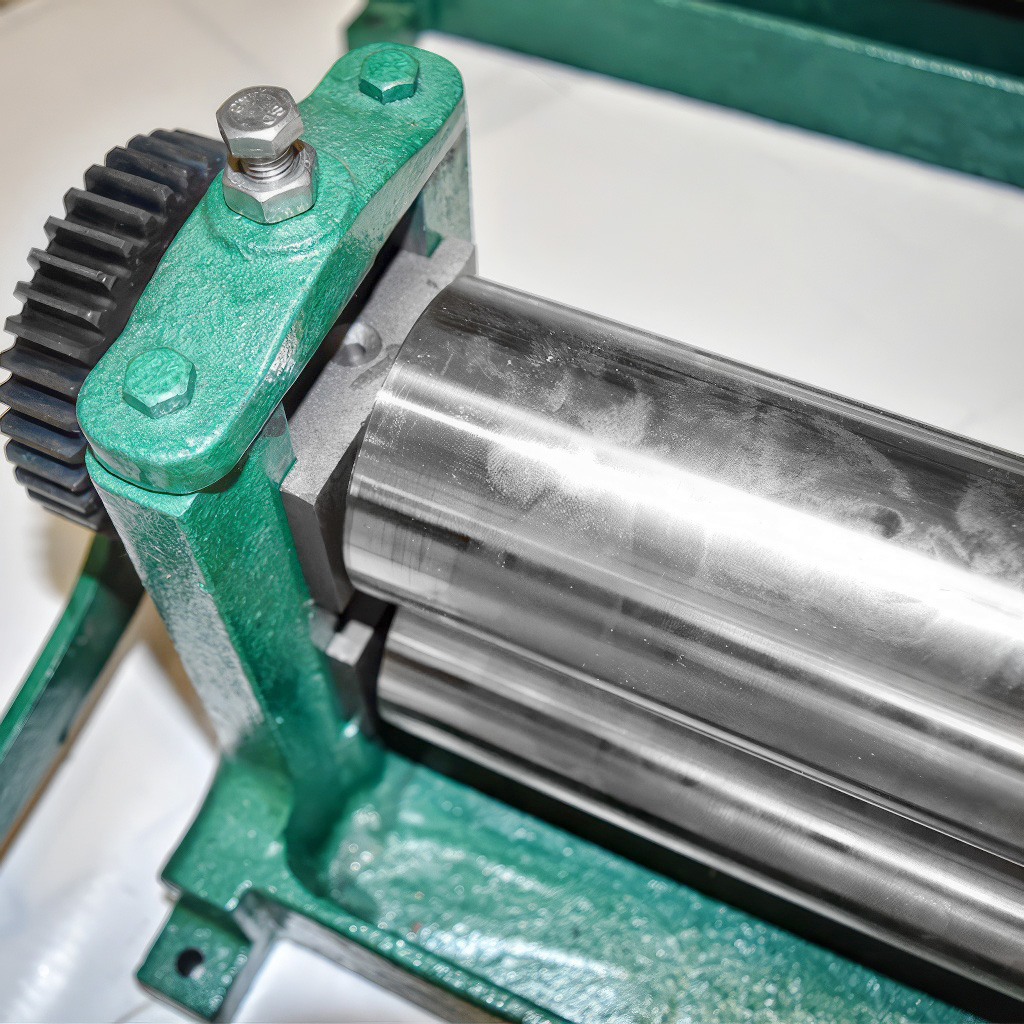
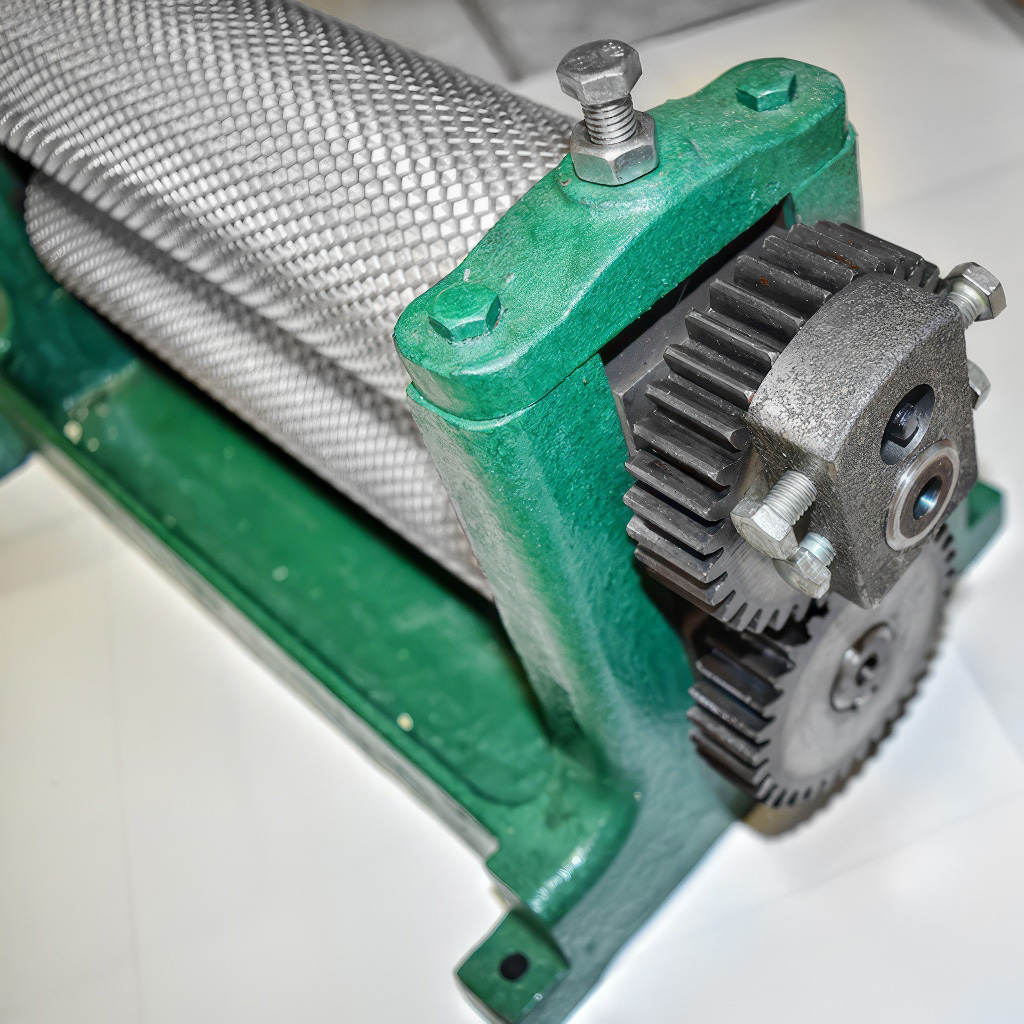
Beeswax foundation press - set
 In stock

Hand-operated foundation mills: smooth and engraved rollers
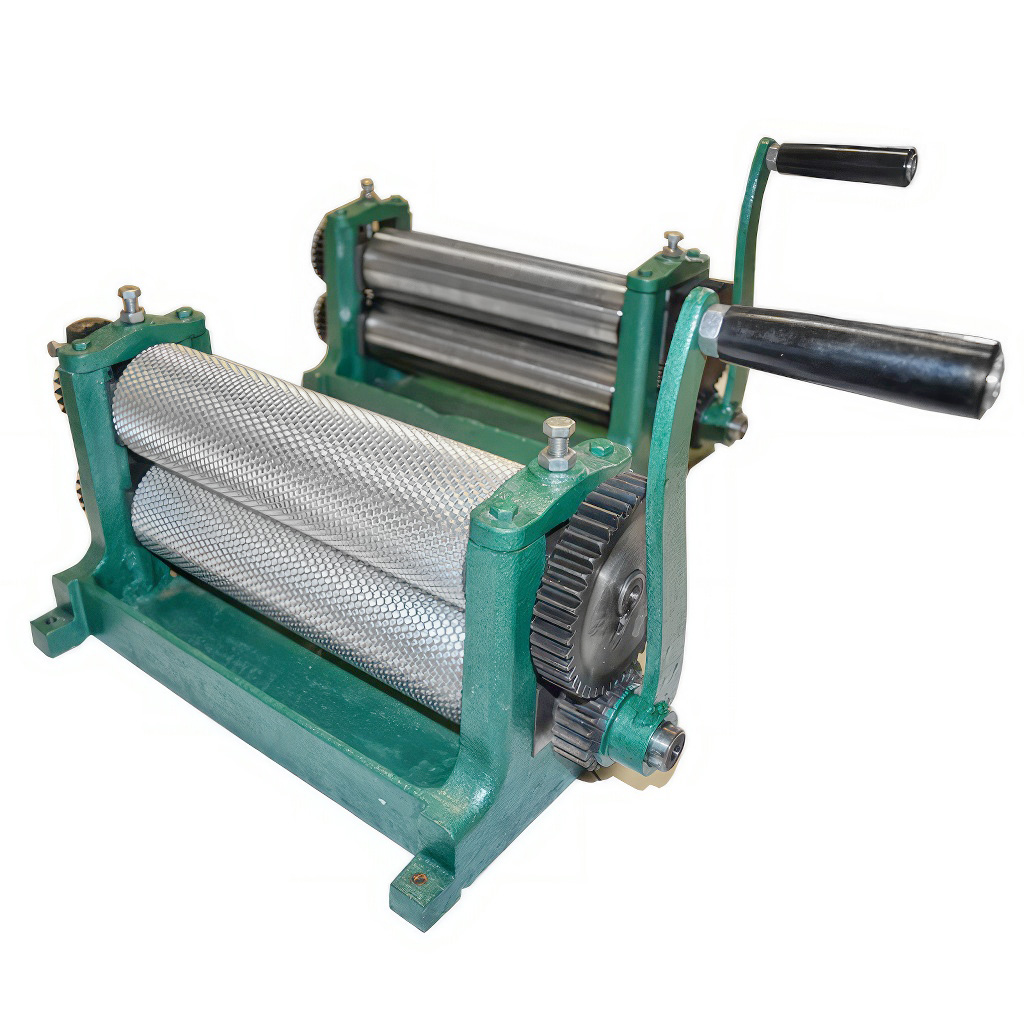
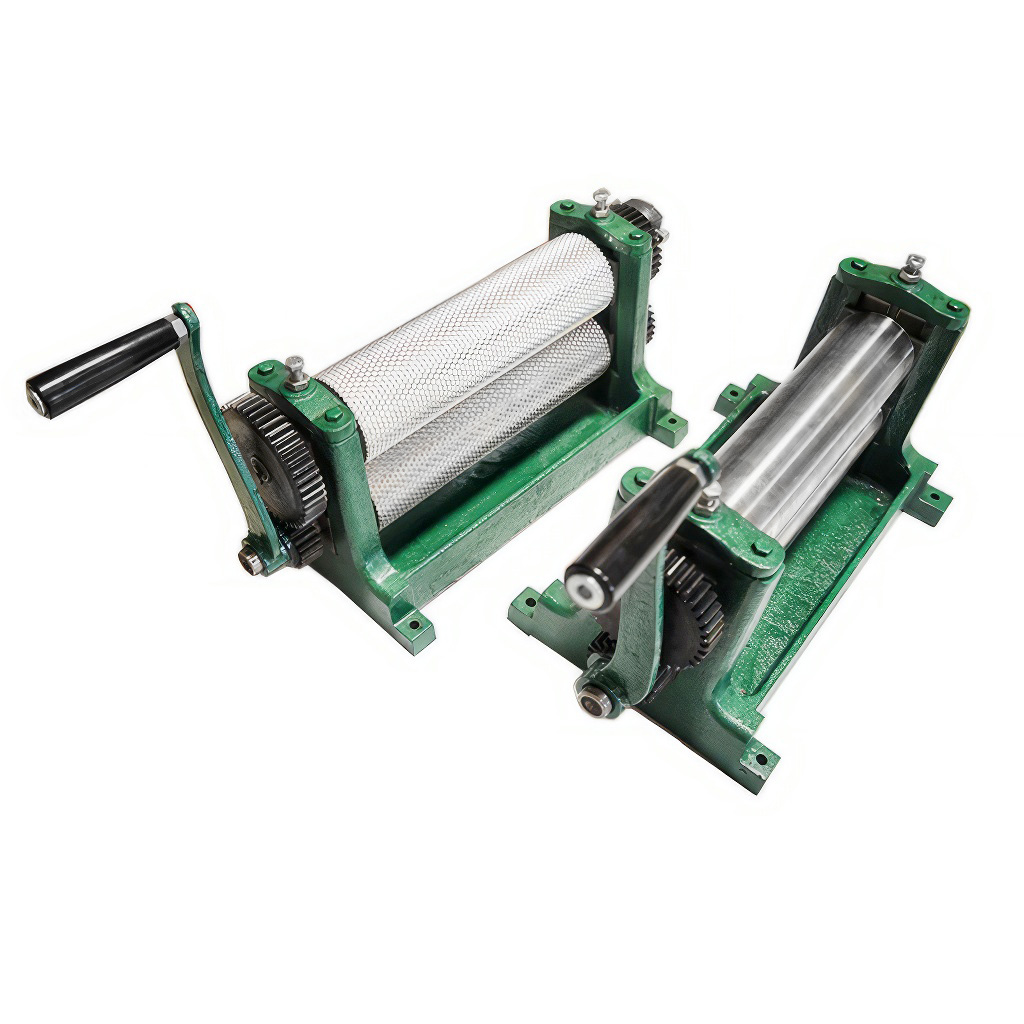
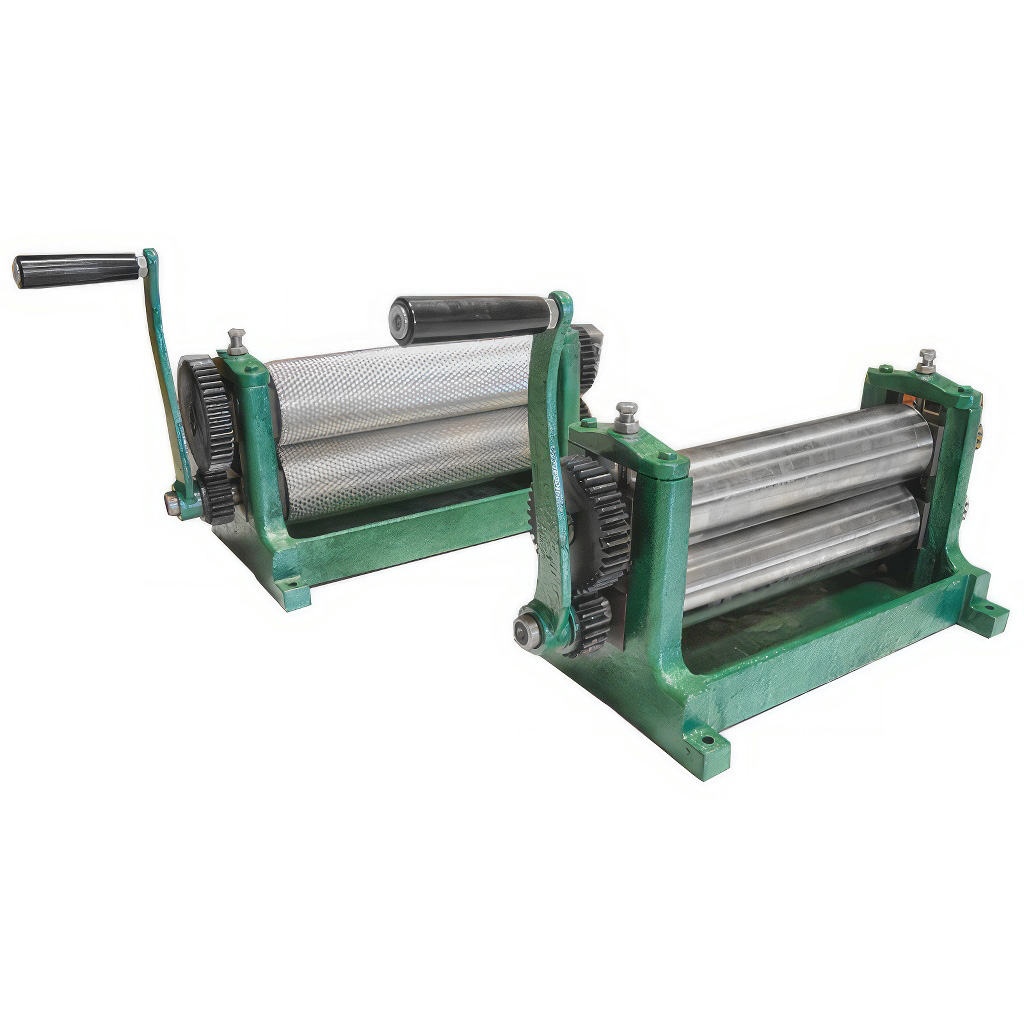
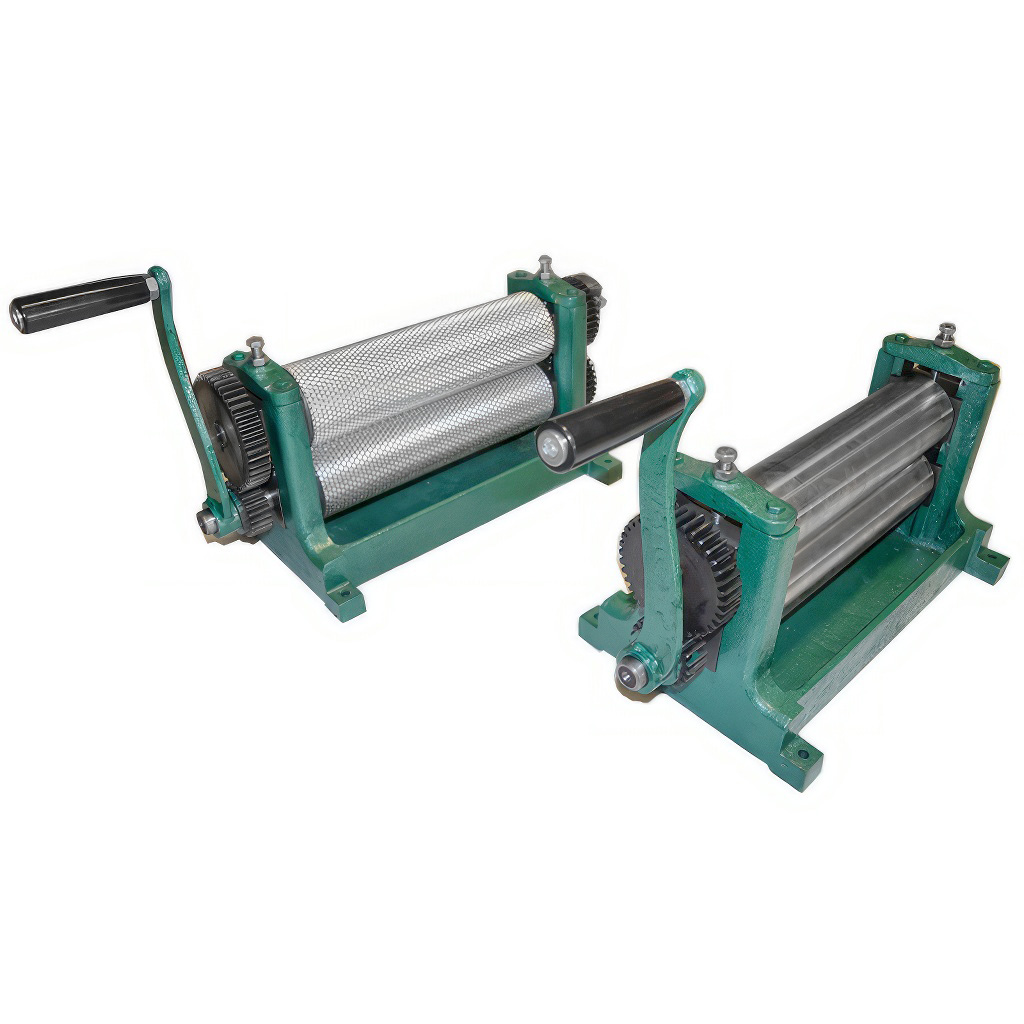
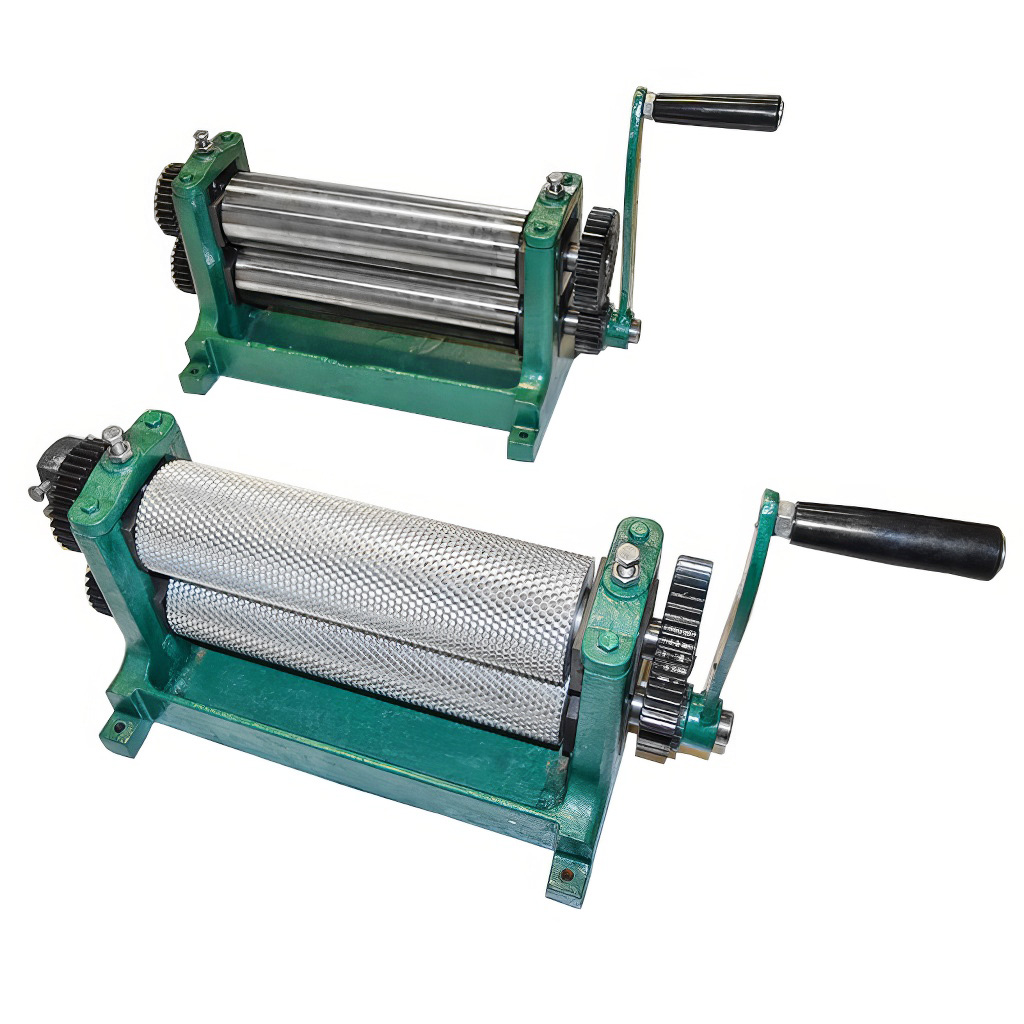
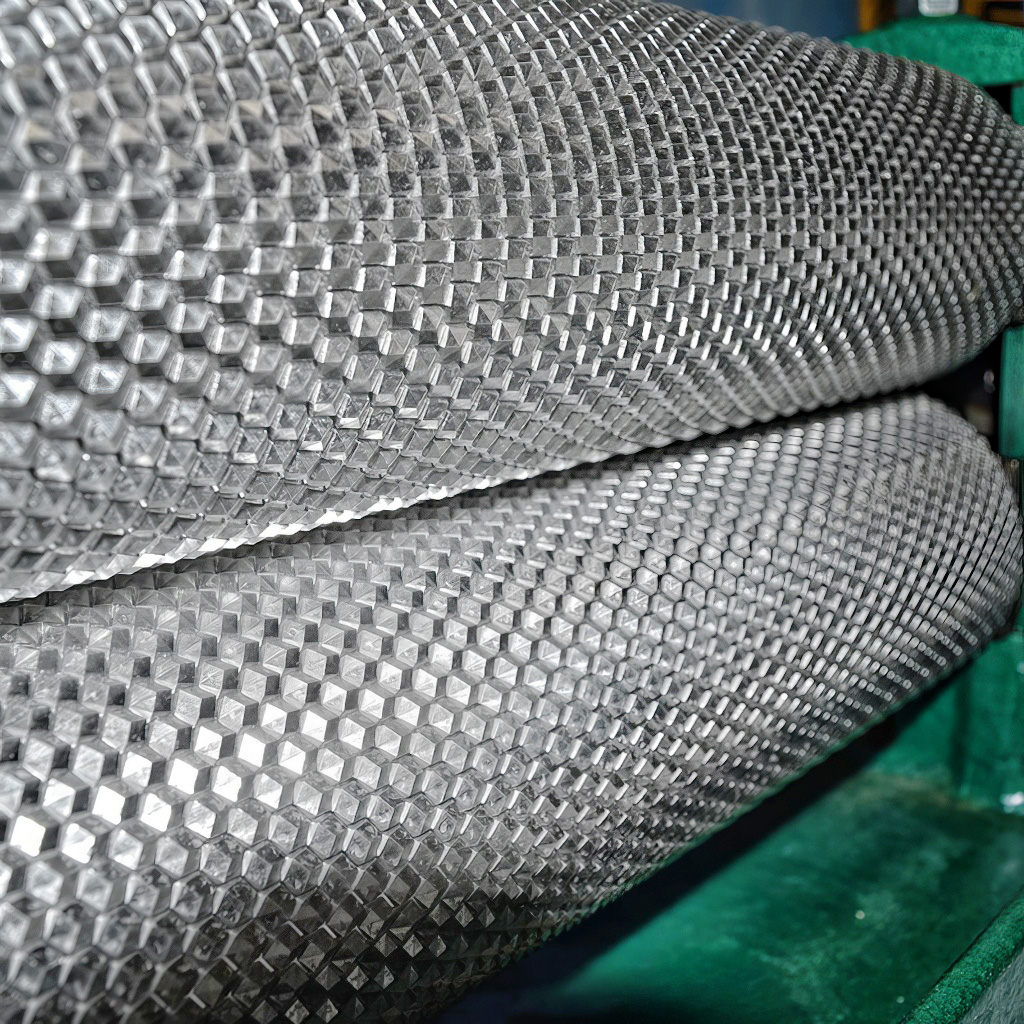
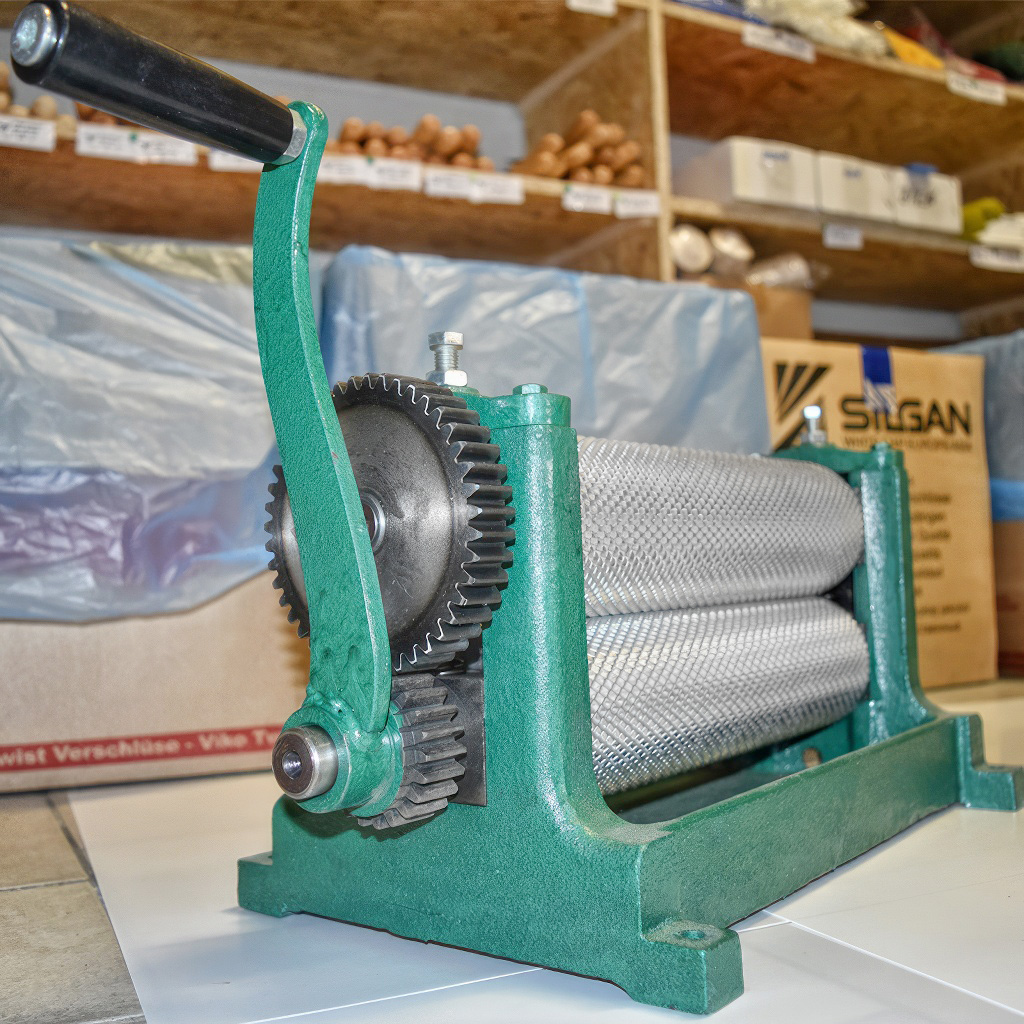
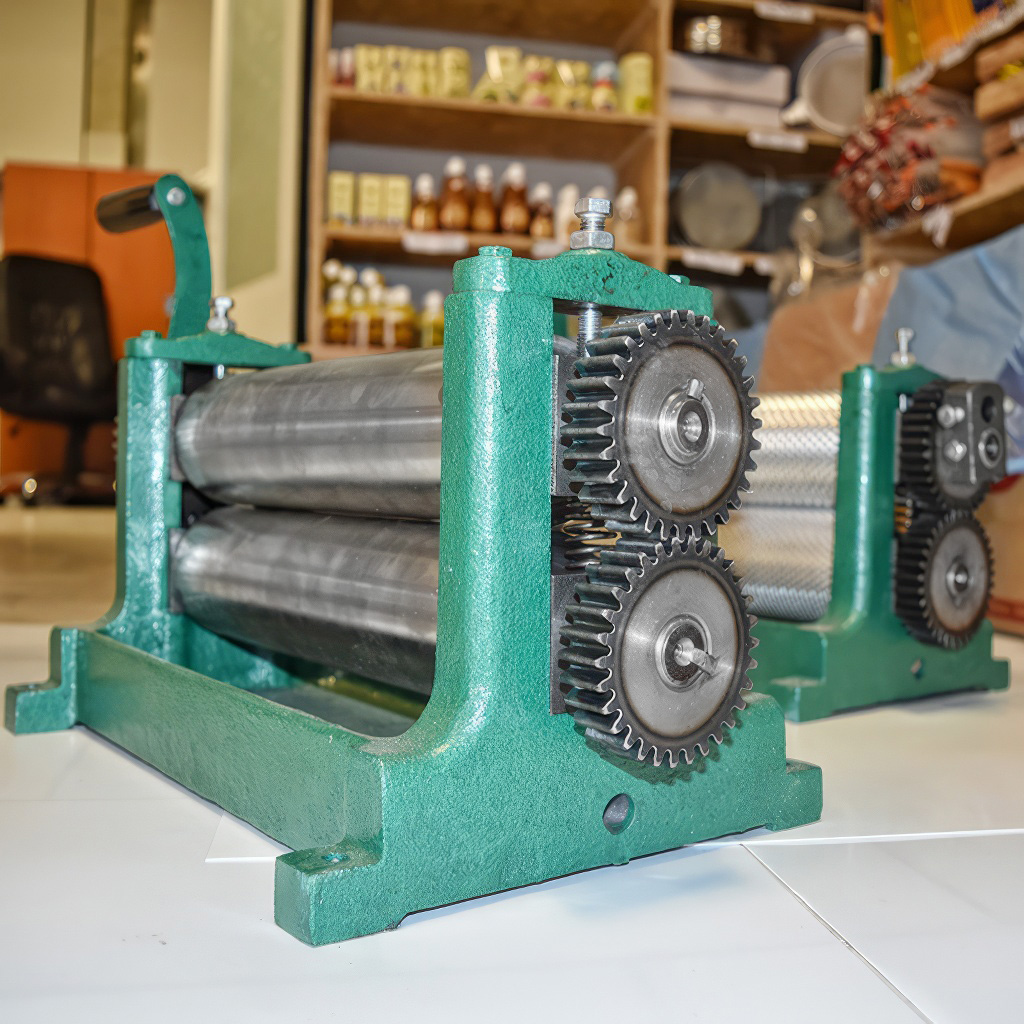
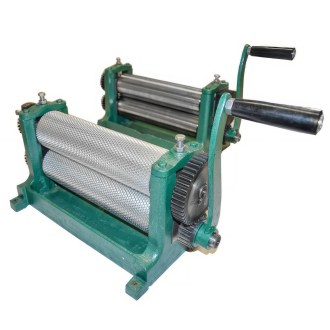
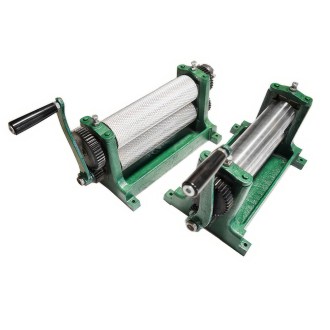
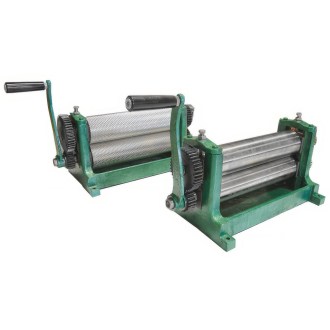
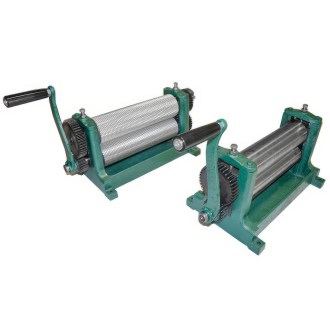
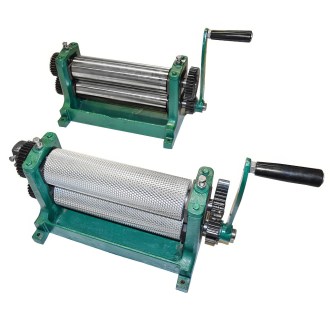
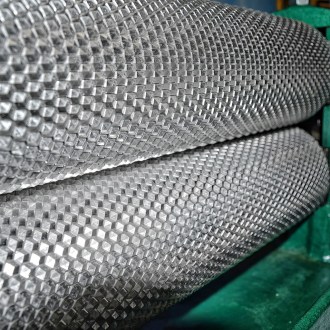
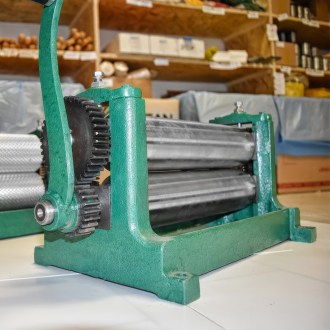
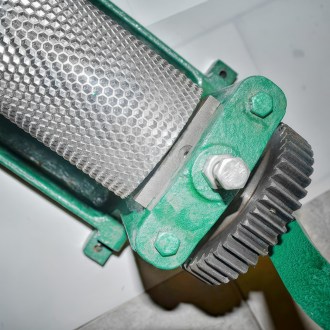
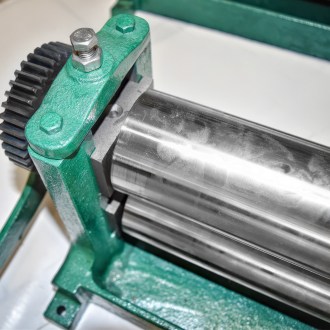
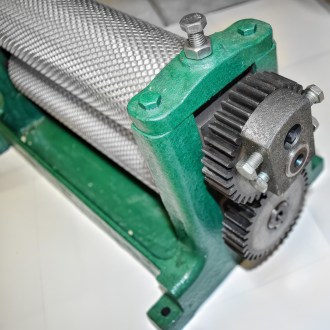
Producing your own beeswax foundation allows beekeepers to use wax from their own apiaries and maintain full control over its origin and quality. This professional set includes two hand-operated mills: a smooth roller mill for preparing wax sheets and an engraved roller mill for imprinting the cell pattern onto the foundation. Robust construction, smooth operation, and easy handling promote greater self-sufficiency in beekeeping operations and reduce dependence on purchasing foundation from unknown sources.
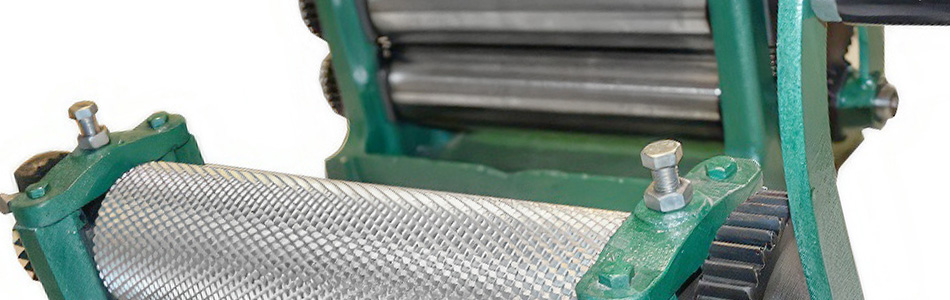
Control over the quality of the wax used
The main advantage of producing your own foundation is the ability to create a closed wax cycle from your own colonies. You know exactly what material you are using and can avoid unwanted adulterants such as paraffin or stearin. Properly processed foundation sheets are flexible, easy to insert into frames, and readily drawn out by the bees.
Producing foundation in your own operation can also bring significant cost savings. The mills can be used not only for your own apiary but also for processing wax for other beekeepers. High-quality materials and solid construction make the equipment suitable for long-term use over many beekeeping seasons.
Large roller diameter for smooth operation
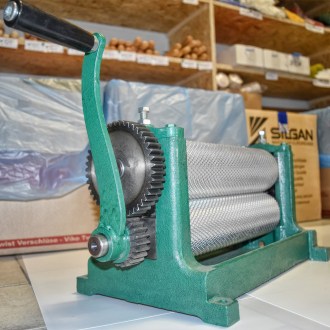
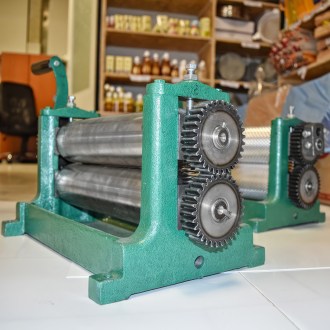
A notable advantage of both mills is the roller diameter of 74 mm. The larger diameter, combined with a suitable feed angle, makes it easier to introduce the wax sheet and reduces the force needed to turn the crank. Compared to smaller rollers with a diameter of approximately 14 to 30 mm, the work is smoother and less strenuous. The steel core also contributes to stability, precise alignment, and reliable operation of the equipment.
Recommendations for producing quality foundation
Operating the mills can be mastered after brief training. First, uniform wax sheets are prepared using the smooth rollers. Before subsequently imprinting the cell pattern, it is advisable to slightly warm the sheets in warm water so that the wax acquires the necessary flexibility and plasticity.
An important part of processing your own wax is proper hygiene and sterilization. As a preventive measure against pathogens causing dangerous brood diseases, it is recommended to sterilize the wax at a temperature of 117 °C for at least one hour, using equipment designed for safely heating wax to this temperature.
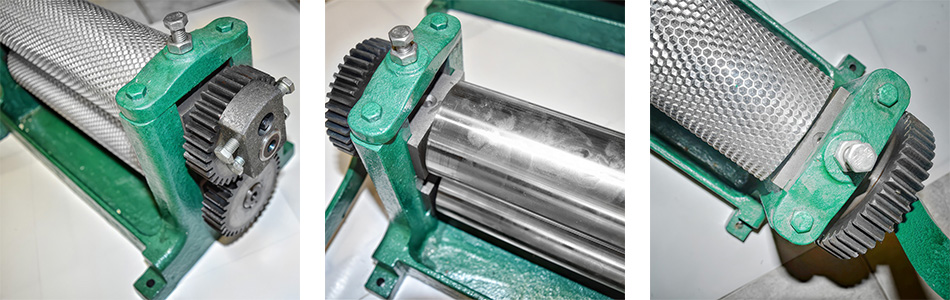
To ensure the wax sheet passes through the mill without sticking, the rollers must be regularly moistened with a suitable release agent. In practice, whey, a weak emulsion of dishwashing liquid, a solution of mild baby soap, or a thin honey solution are commonly used.
Technical specifications
| Parameter | Engraved cell-pattern mill | Smooth roller mill |
| Material | Aluminium alloy on a steel core | Aluminium alloy on a steel core |
| Cell size | 5.3 mm, also available to order in 4.6 or 4.9 mm | Smooth surface without cells |
| Roller length | 300 mm | 300 mm |
| Roller diameter | 74 mm | 74 mm |
| Drive | Manual | Manual |
| Total weight | Approximately 45 kg | – |
Video demonstration of the mill
Watch a practical demonstration of the milling mechanism in action. The video shows the smooth passage of a wax sheet through the rollers and the subsequent creation of a regular cell pattern on the foundation.