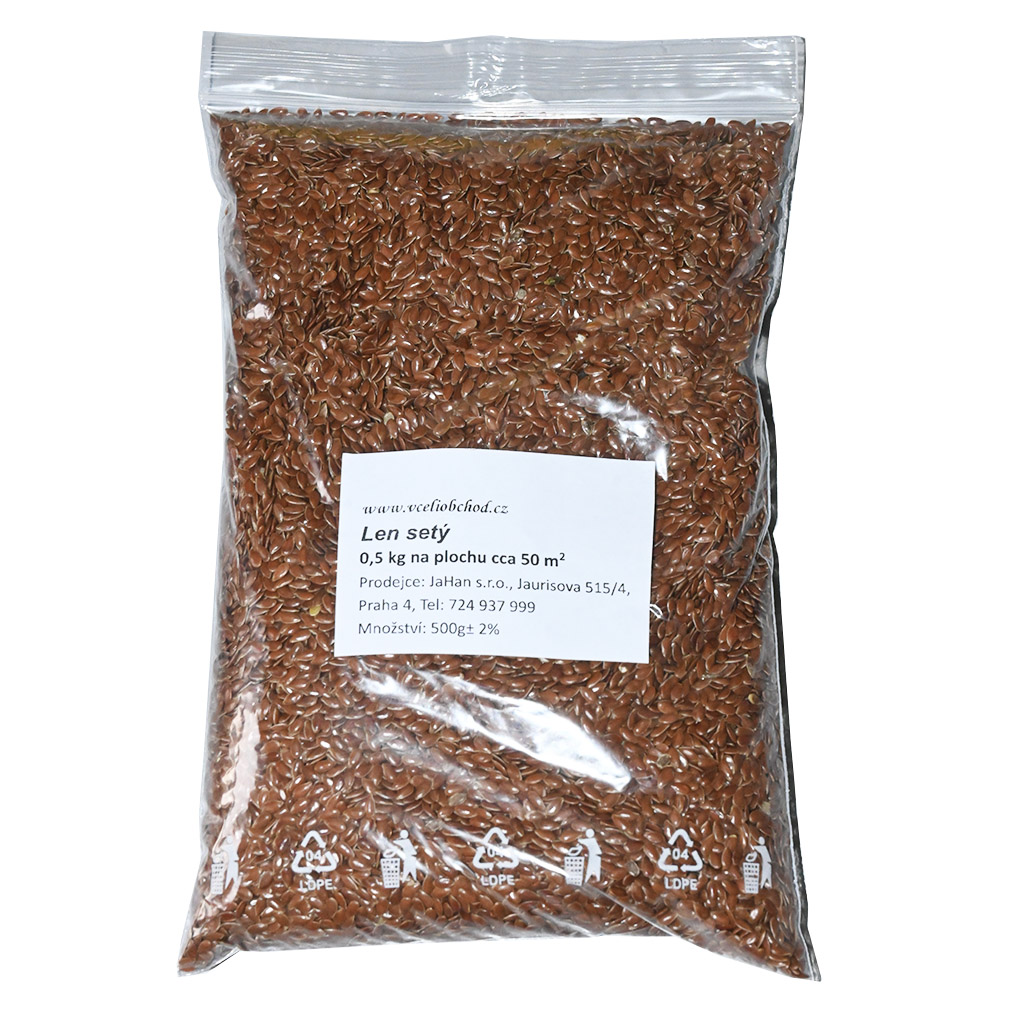
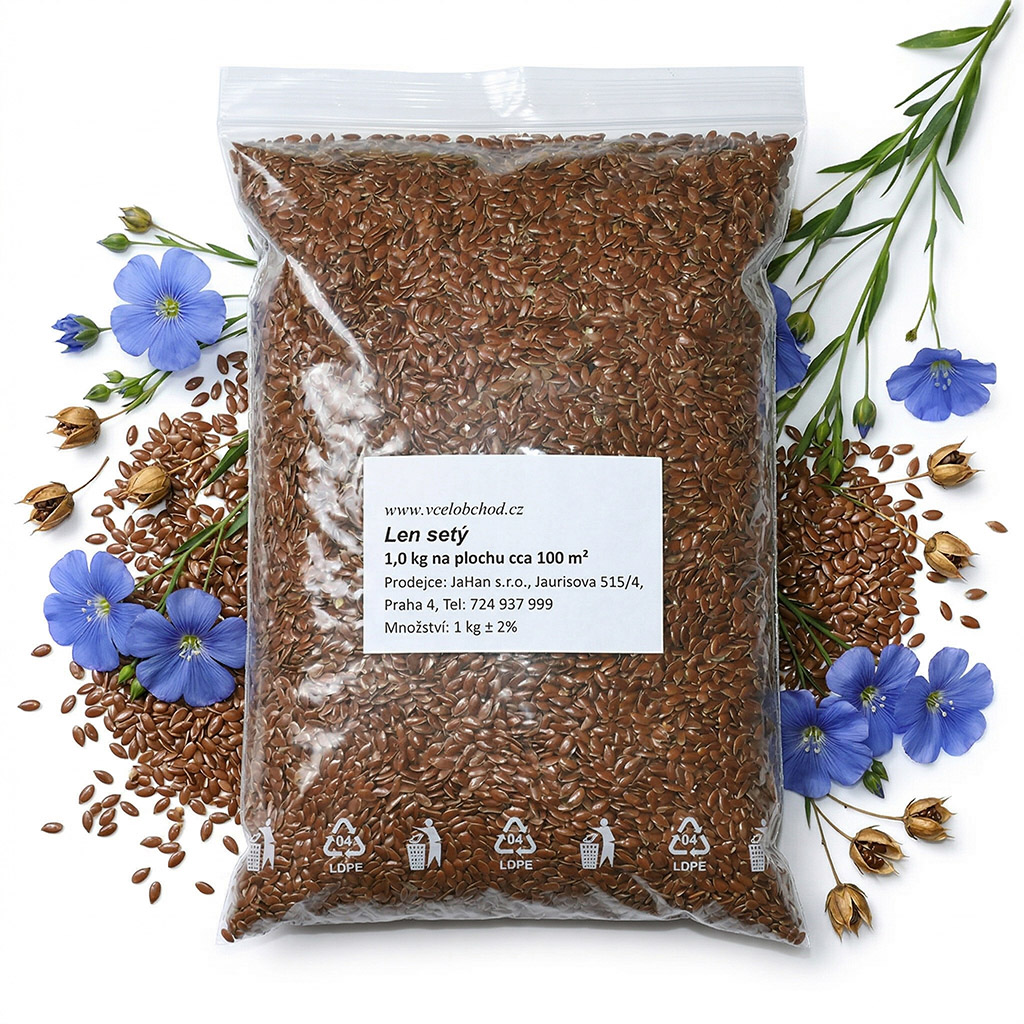


Flax (seeds / bee pasture) - 0.5 kg
 In stock
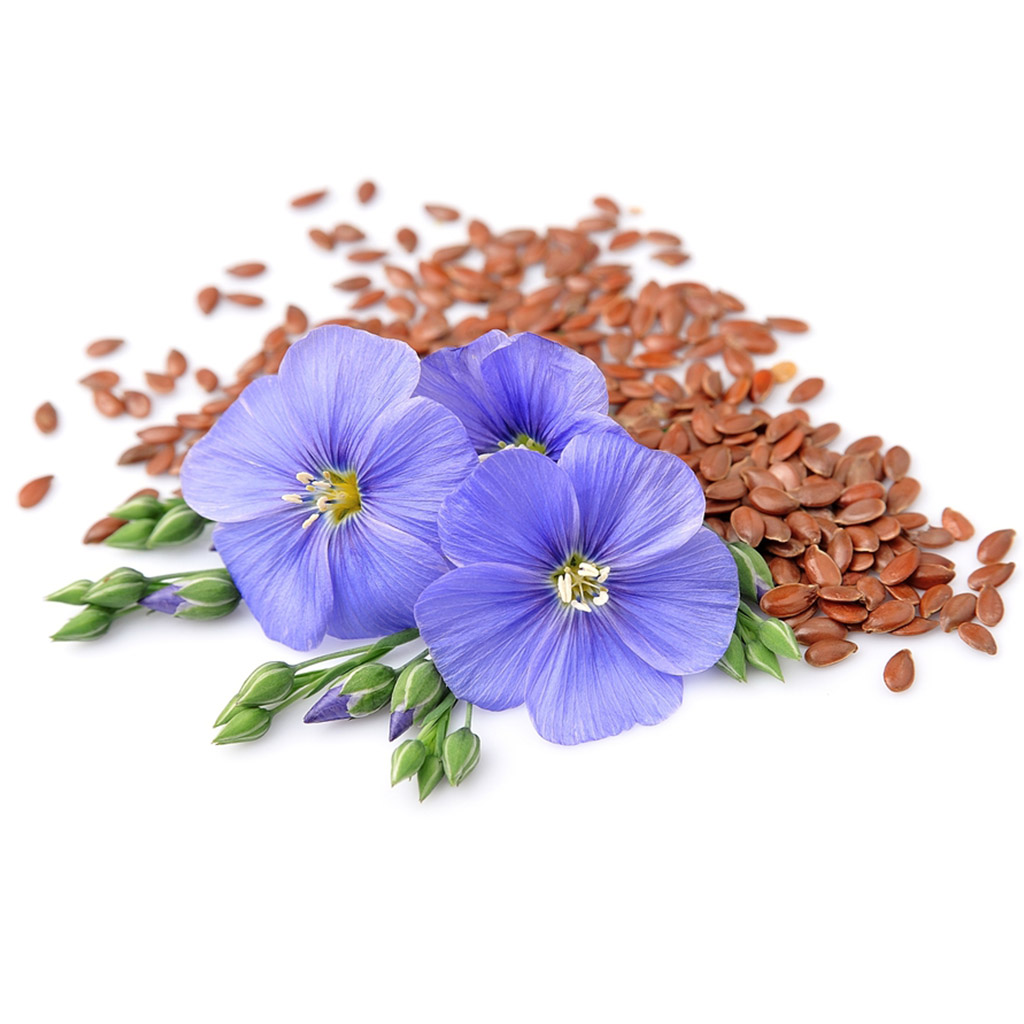
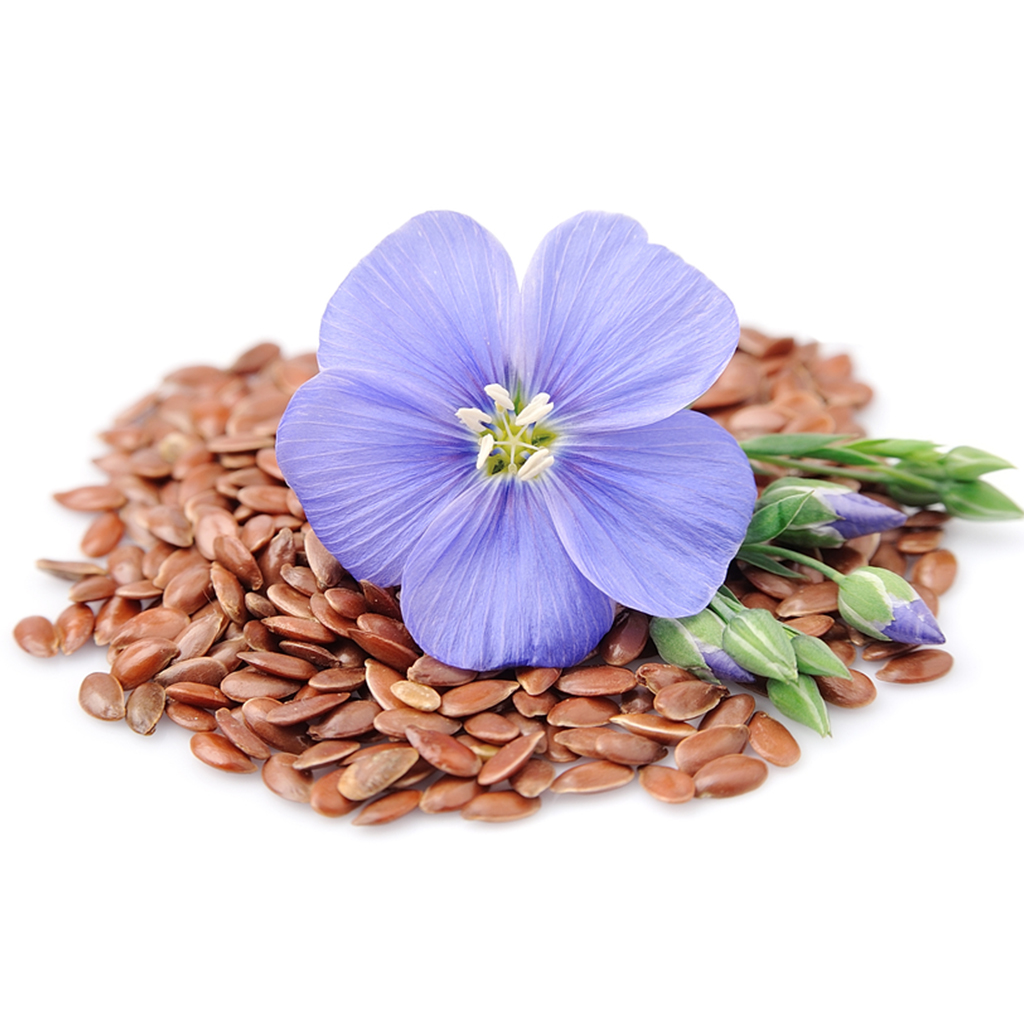
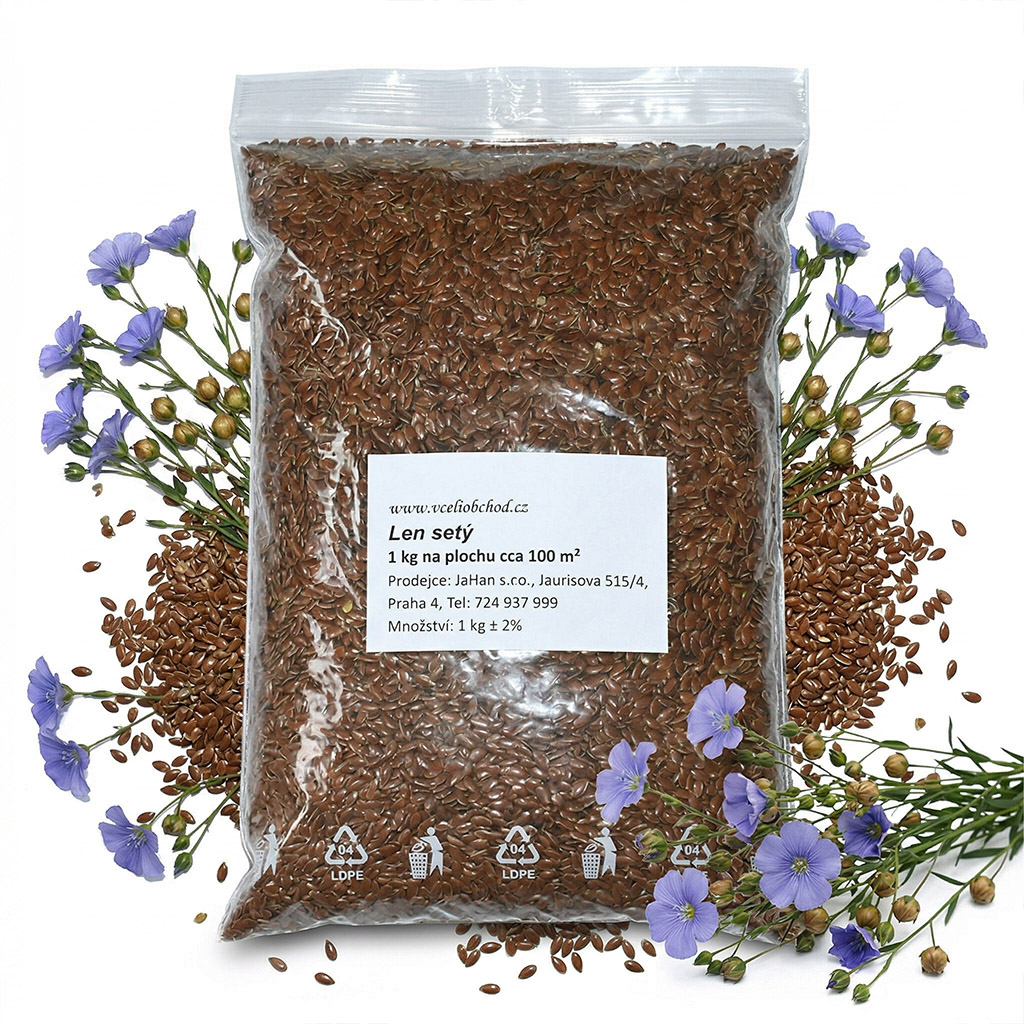
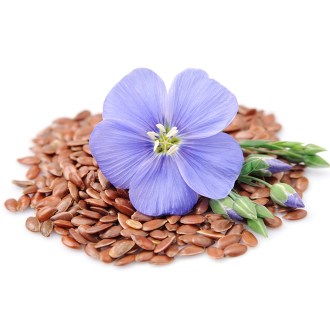
Flax (Linum usitatissimum) is found worldwide and is among the oldest plants that humans began to cultivate. It has a slender stem, inconspicuous leaves, and characteristic light blue flowers. South America, Iran, Egypt, and India are cited as the original places of flax origin, but its history dates back to ancient civilizations and is documented in many ancient texts.
Flax (Linum usitatissimum) – Traditional Blue Forage for Bees
Flax is among the oldest cultivated plants, known since ancient Egypt and India. From a beekeeper's perspective, it is an attractive honey and pollen-producing crop that can significantly enhance the forage supply during flowering. This slender annual herb grows up to about 120 cm and its delicate light blue flowers create a distinctive blue stand in gardens and fields that bees reliably seek out.

Why Include Flax in Bee Forage?
A great advantage of flax is its flowering period – most commonly in June, when colonies need a stable supply of nectar and quality pollen for further development. Flax typically begins flowering approximately 60 days after sowing and its five-petaled flowers are easily accessible to bees. By sowing flax, you will support the diversity of bee forage around the apiary and indirectly contribute to colony vitality.
Health Benefits and Practical Uses
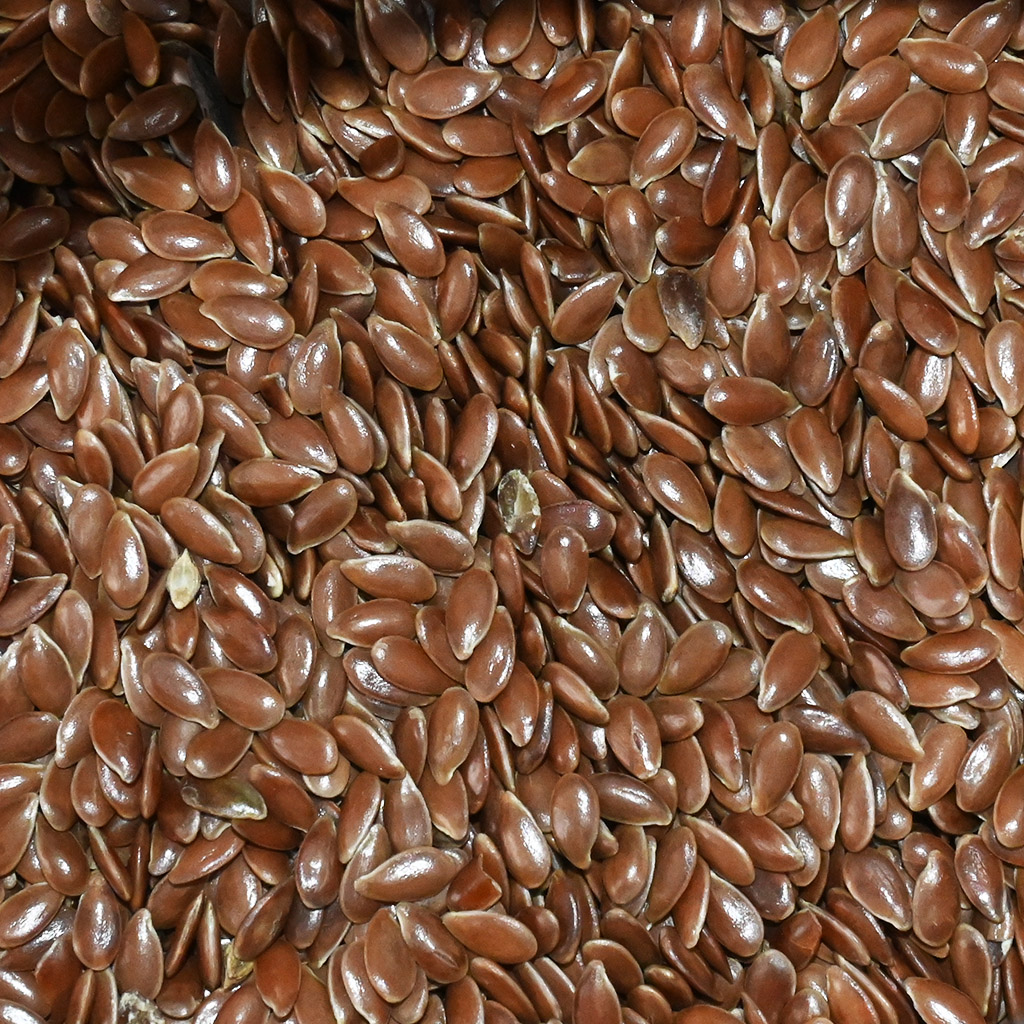
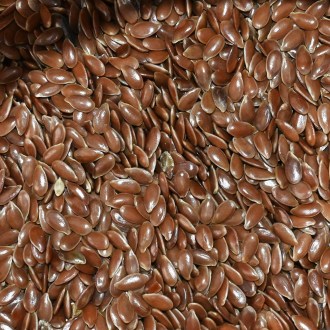
Flax is not only beneficial for bees – its seeds are also valuable. Flaxseed contains a high proportion of oil (up to around 40%), is rich in omega-3 fatty acids, fiber, and antioxidants. Thanks to its mucilaginous substances, it is traditionally used for digestive issues and when there is a need to soothe irritated mucous membranes. In the kitchen, it is suitable for baked goods, porridges, or salads, or as a feed supplement for livestock and poultry.
Cultivation and Care
Flax (also commonly called linseed) thrives best in moist, well-drained soils and often does well even in foothill areas. It is typically sown in April, once the soil has dried after winter and is ready for cultivation. It matures in approximately five months; maturity can be recognized by, among other things, the yellowing of stems. Thanks to its undemanding cultivation, it is suitable for both larger areas and smaller beekeeping gardens and field margins.

Technical Parameters and Recommendations
| Latin name | Linum usitatissimum |
| Plant type | Annual herb |
| Plant height | up to 120 cm |
| Sowing time | April |
| Flowering period | June |
| Sowing depth | 2–2.5 cm |
| Seeding rate | 80–100 kg/ha |
| Use | bee forage, food industry, feed |
Provide your bees with reliable forage during an important period of the season and enjoy the pleasure of a distinctively flowering area. Flax is a practical choice for supporting the landscape, gardens, and the condition of your colonies.