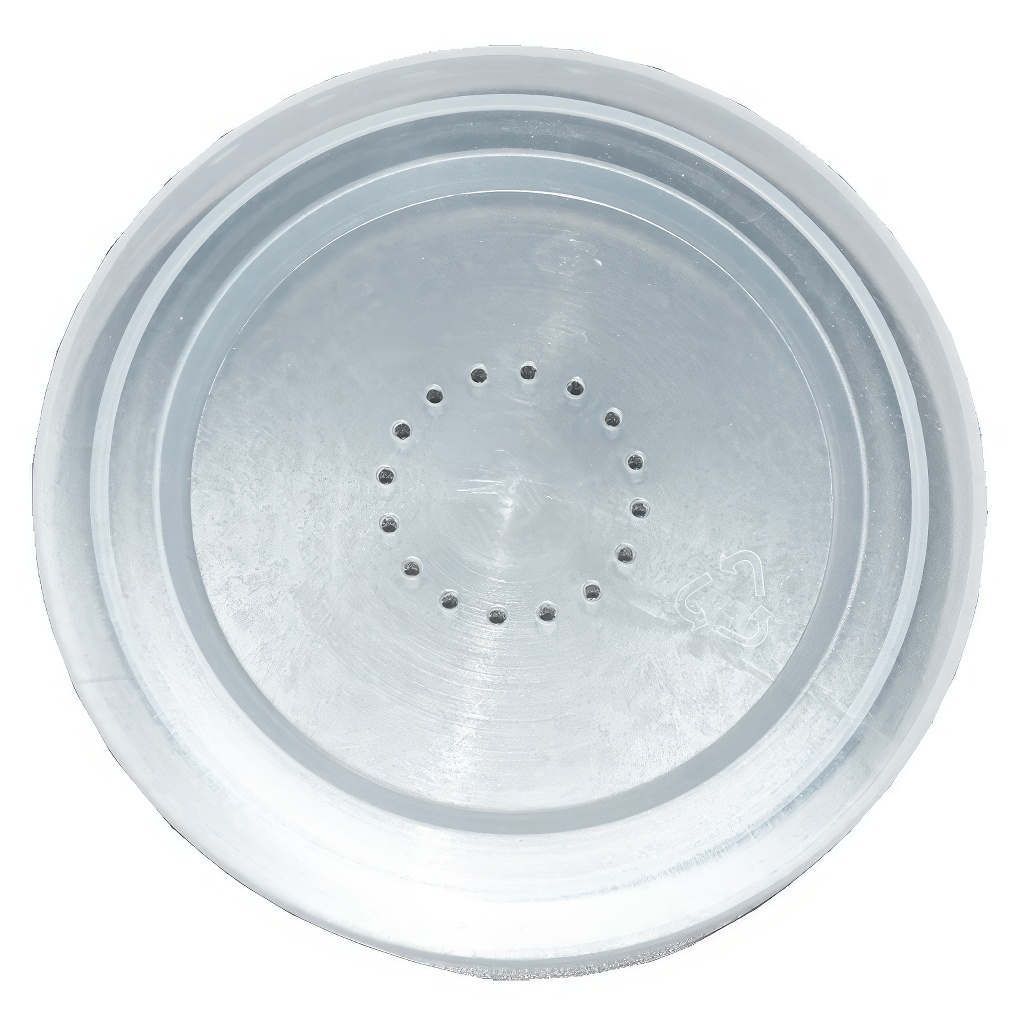
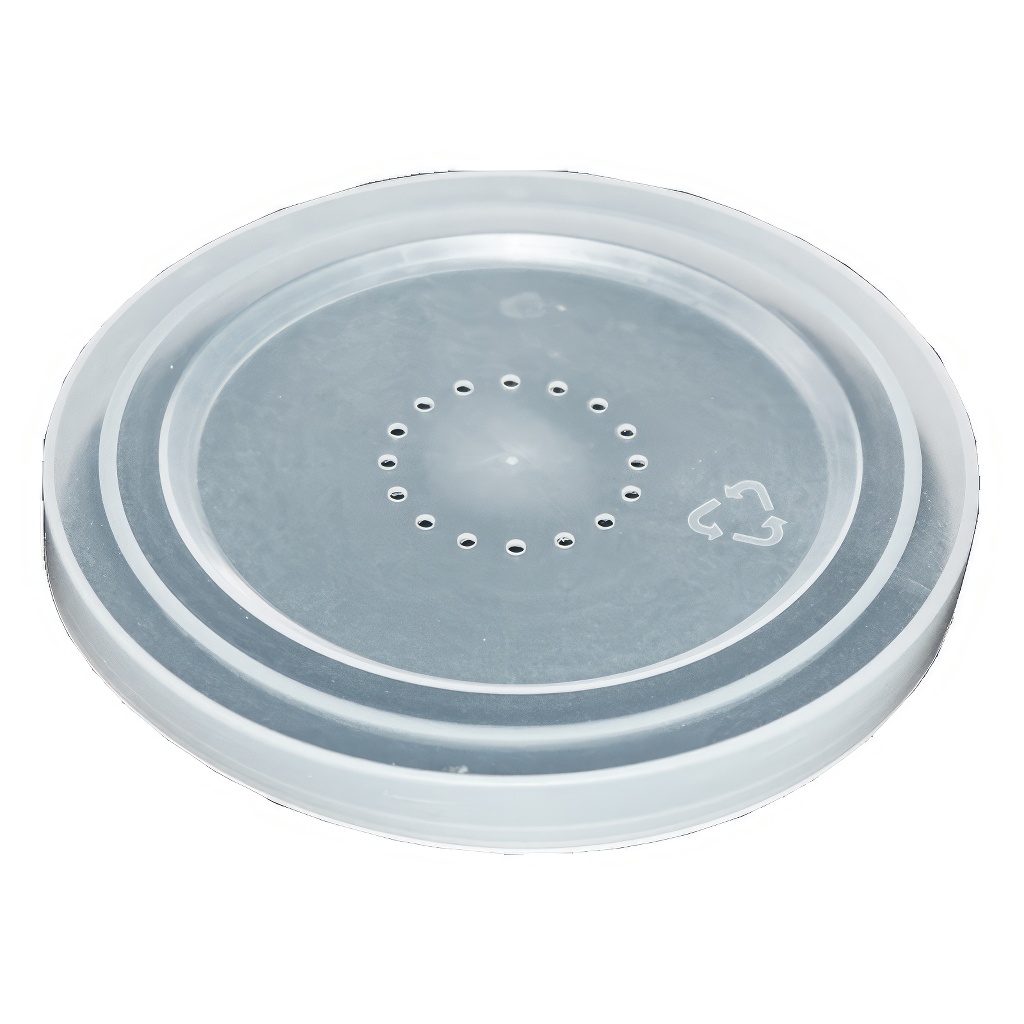
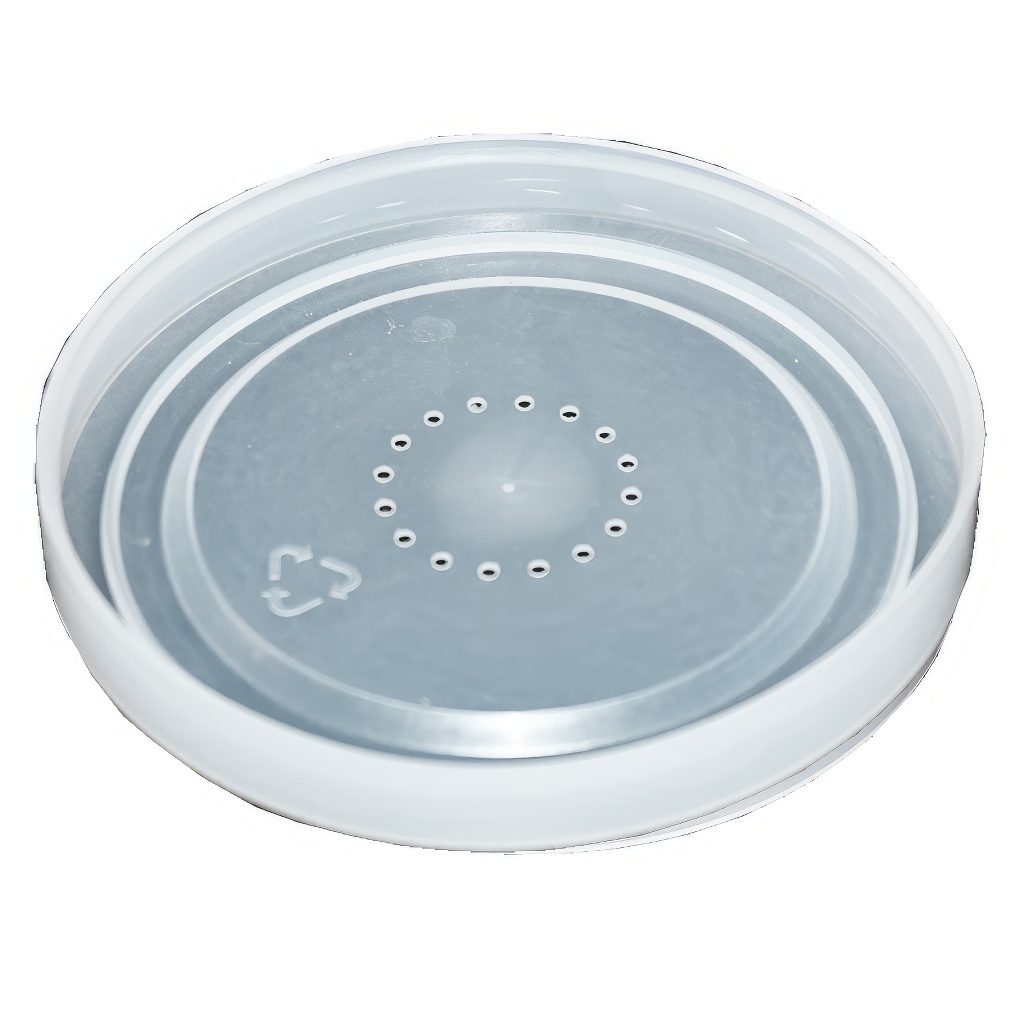
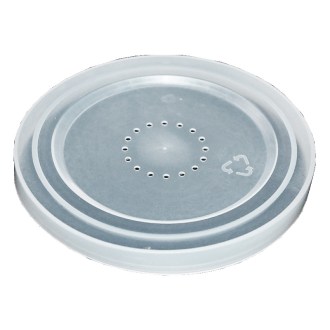
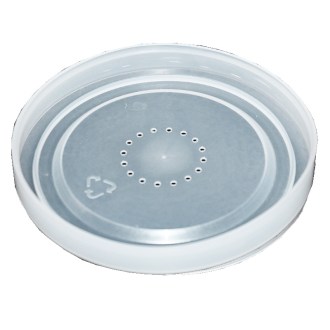
Plastic cap on 4 l glass - 16 holes
 In stock
Plastic caps for 4 liters glasses. You can use it as cheap feeder.
Stimulating Lid for 4L Jar (16 holes) – for Supporting Spring Development
A strong colony for the main honey flow is not created overnight – the foundation is laid at the beginning of spring. This stimulating lid with 16 holes is designed to provide bees with a slow and steady supply of syrup that mimics a weak but continuous nectar flow. This encourages the colony to expand the brood nest, the queen to lay more intensively, and the colony to get into condition in time before the onset of main honey plants.
Precise Fit on Jar and Calm Feeding Without Risk of Robbing
The lid is made for a standard four-liter canning jar. Unlike homemade modifications and makeshift solutions, it offers firm and precise adhesion – the syrup is not released uncontrollably into the hive. This significantly reduces the risk of colony disturbance and subsequent robbing in the area. Sixteen holes are chosen so that the uptake is gradual and suitable for stimulation, not for rapid replenishment of large stores.
Hygienic Material and Long Lifespan
In apiary operations, cleanliness and durability of equipment are important. The lid is made of food-grade plastic that withstands normal use well, does not deform, and is easy to maintain. After the season, you can simply wash and disinfect it with common agents, thereby reducing the risk of transmitting molds and diseases to subsequent feedings. It is a practical tool that, with proper care, will last for many years.
Part of a Complete System for 4L Jars
This variant is primarily intended for stimulation (16 holes), but it also fits into the complete range of lids for 4L jars. The offer also includes versions with 80 holes for faster uptake when replenishing stores and also solid lids for safe transport of syrup to the apiary. All variants share the same emphasis on tightness and material quality.

Technical Parameters
| Property | Value |
| Purpose | Colony stimulation (spring development) |
| Number of holes | 16 |
| Compatibility | Standard 4L jar |
| Material | Food-grade plastic (chemically resistant) |
| Maintenance | Washable, disinfectable |
| Sealing | Precision molded (no rubber gasket needed) |
Tip for beekeepers: Stimulate with syrup that is not too cold. The plastic lid usually does not cool as quickly as metal on cold spring days, so bees take up the syrup more readily.