
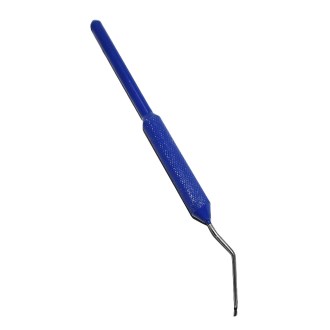
Professional stainless steel grafting tool for queen larvae - blue
 In stock
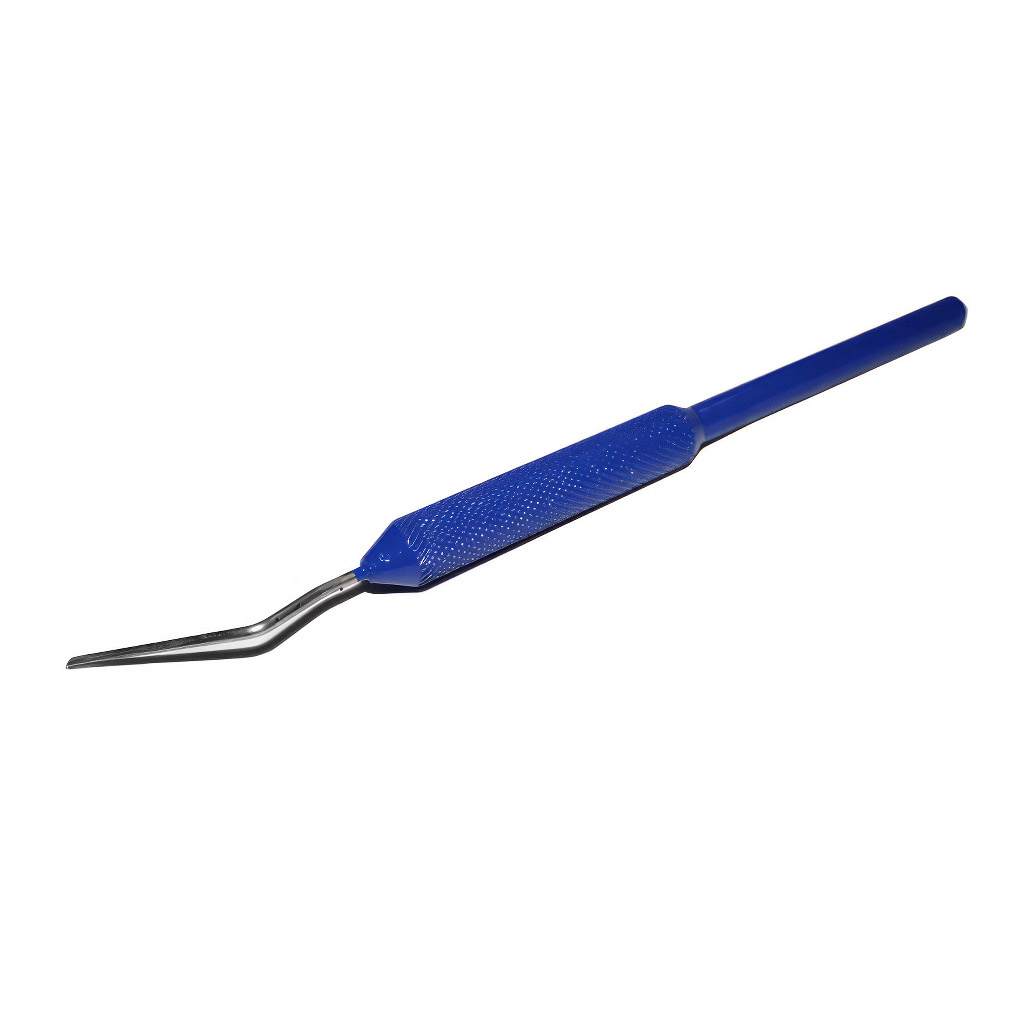
Stainless steel grafting tool for queen larvae, for the coloring of future queen to queen cell, Metal grafting tool with stainless steel needle.
Metal Grafting Tool – Professional – Blue
The metal grafting tool in professional design is part of the basic equipment of every beekeeper who wants to work purposefully with genetics and systematically rear their own queens. Grafting is the most widespread and proven method for a long time, thanks to which you transfer a precisely selected larva into a queen cell cup and thus give rise to a quality future queen. This model from the renowned German beekeeping equipment manufacturer Heinrich Holtermann impresses with precise workmanship and comfortable ergonomics – it makes work easier for beginners and helps professionals maintain a high percentage of accepted queen cells.
Precise Workmanship and Possibility of Adjustment According to Your Needs
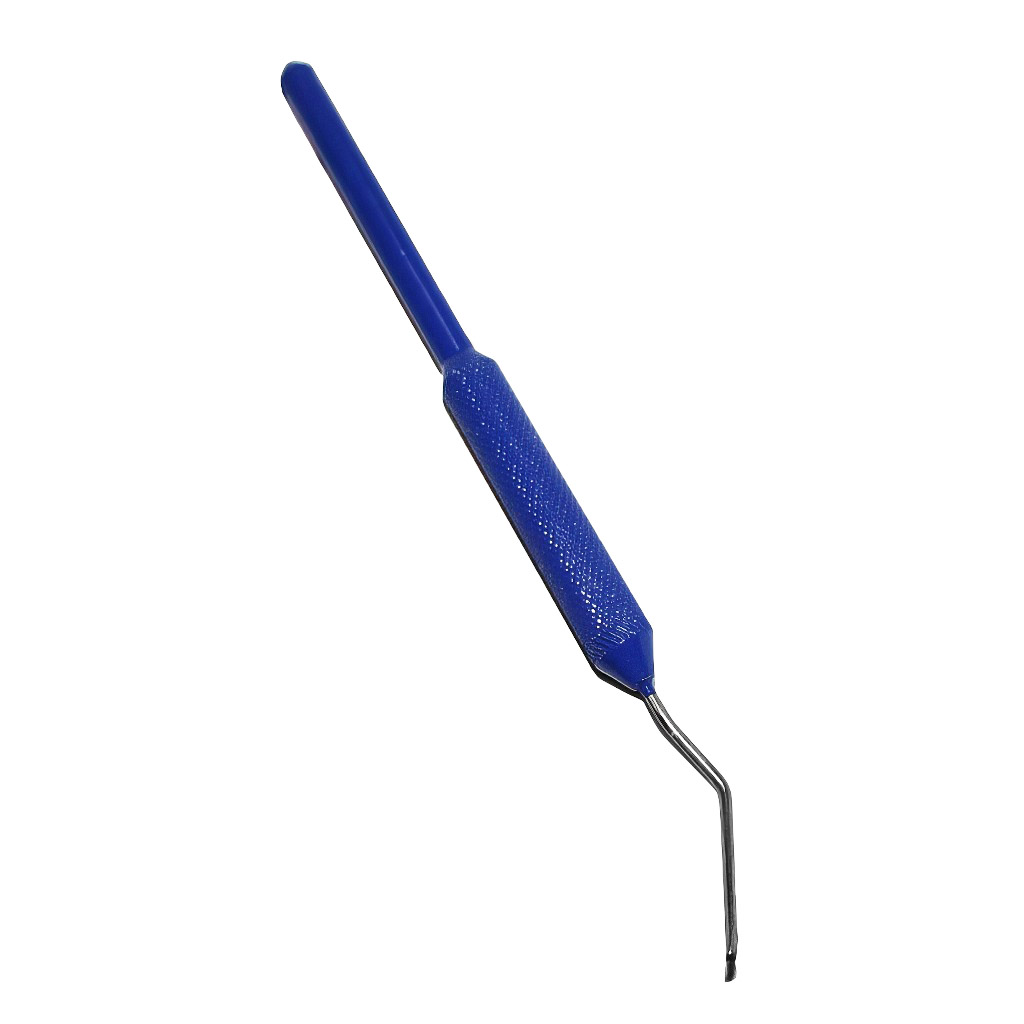
The tool combines low weight with high durability. The blue aluminum handle is equipped with grooves that improve anti-slip grip and give the hand confidence even during very delicate work. Stable holding is crucial when transferring delicate larvae – even during a longer series of grafting, when the hand gets less tired.
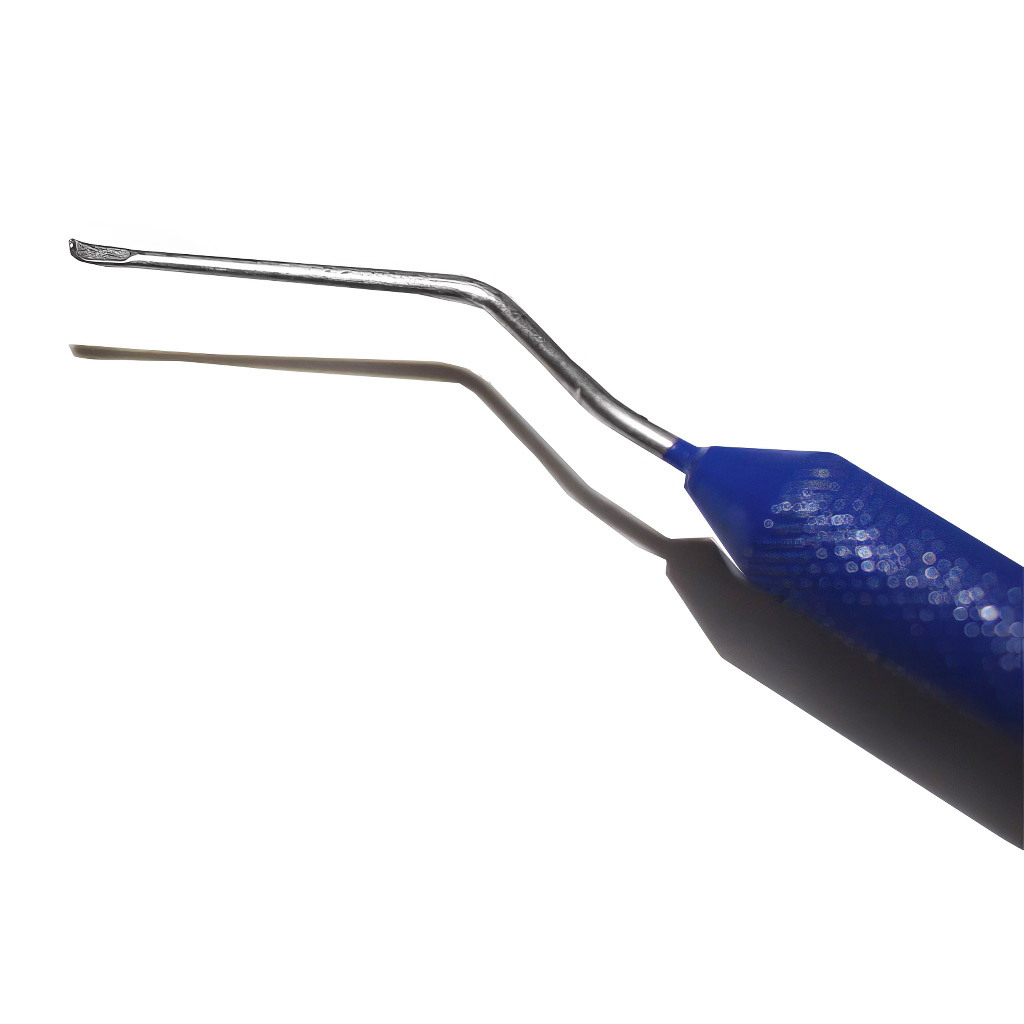
The rod with the spoon itself is made of quality stainless steel. Thanks to its fine flexibility, it allows sensitive manipulation and helps minimize the risk of larva damage. The advantage is also the possibility of individual customization: you can easily adjust the thin end of the stainless steel spoon (e.g., with a diamond file or knife) and possibly bend it slightly to an angle that will suit you best according to the shape of your hand and your working procedure.
How to Graft More Easily and with Better Results
For successful rearing, select a brood comb with fresh eggs and the youngest larvae from the colony. In practice, a comb that has been previously used (darker comb) often proves useful – the larva stands out better on a darker cell bottom than on light virgin comb.
Look for the transition between eggs and the youngest larvae on the comb (ideally very young larvae). The correct larva lies on the bottom of the cell (unlike an egg, which stands), has the shape of a small "crescent" and when illuminated, a delicate reflection of royal jelly is usually visible beneath it. Always carefully pick up the larva from the dorsal side and transfer it to a plastic queen cell cup with a prepared drop of water or diluted royal jelly. For beginners, cutting the cells with a warm knife to approximately half the height for better access can significantly facilitate the work. Grafting glasses (magnifying glasses) with integrated lighting are also useful for better detail control.

Technical Parameters
| Handle material | Aluminum, grooved anti-slip surface |
| Spoon (rod) material | Stainless steel (flexible, shapeable) |
| Total handle length | 120 mm |
| Stainless steel spoon length | 50 mm |
| Aluminum handle diameter | 10 mm |
| Stainless steel wire diameter | 2 mm |
| Handle color | Blue |