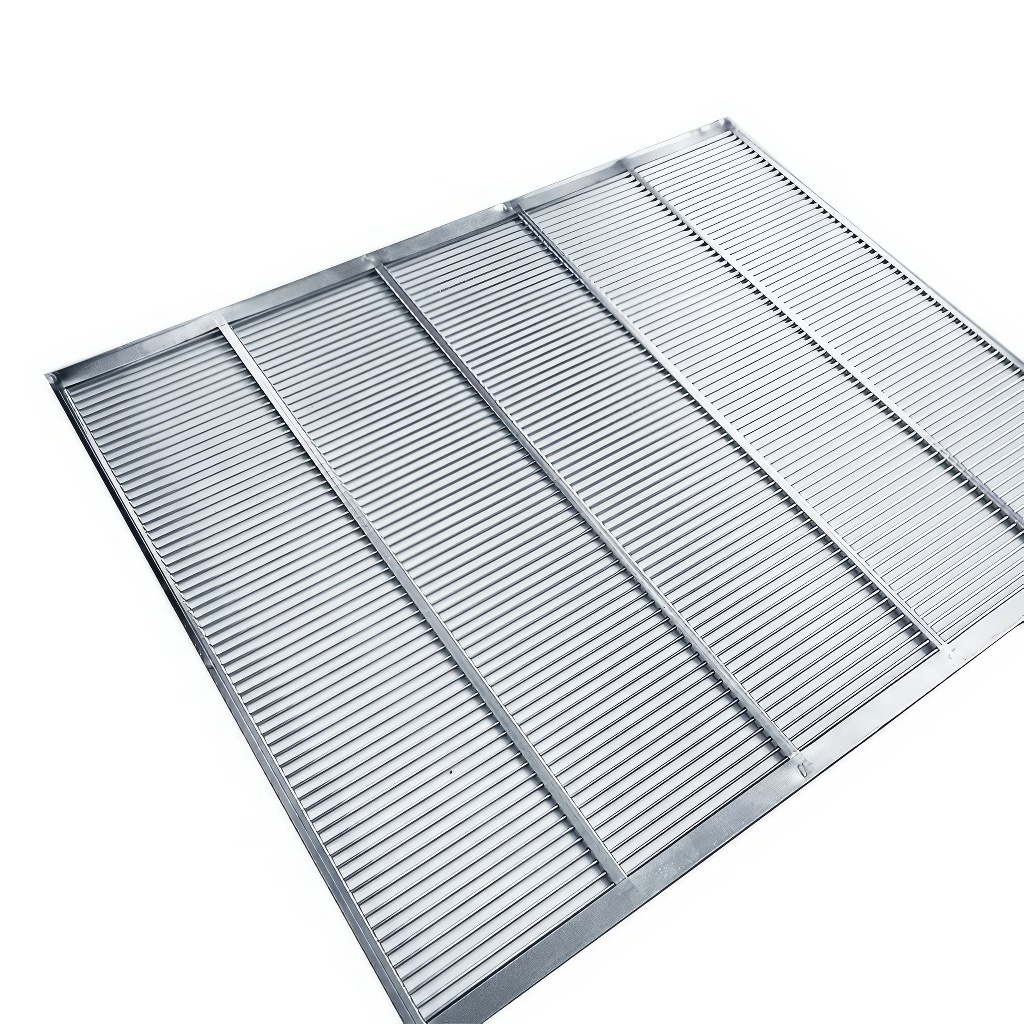
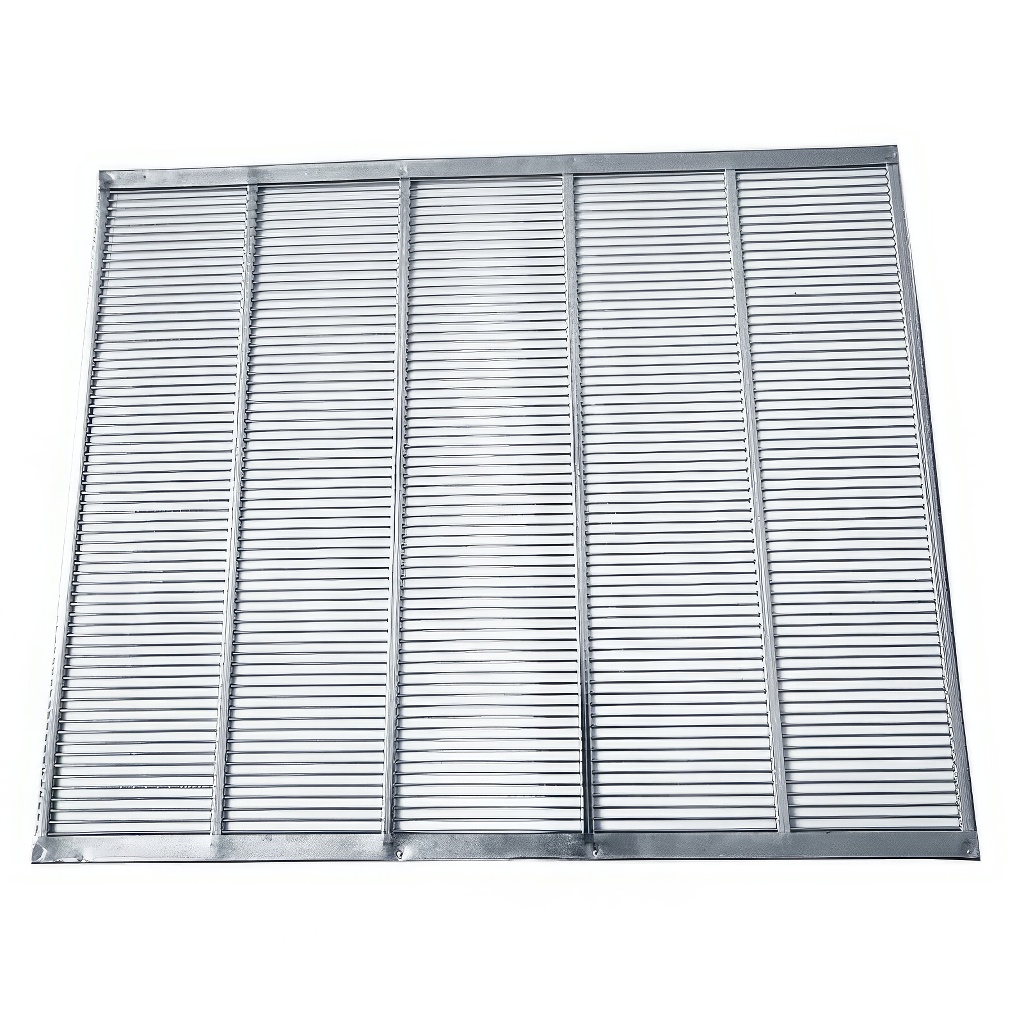
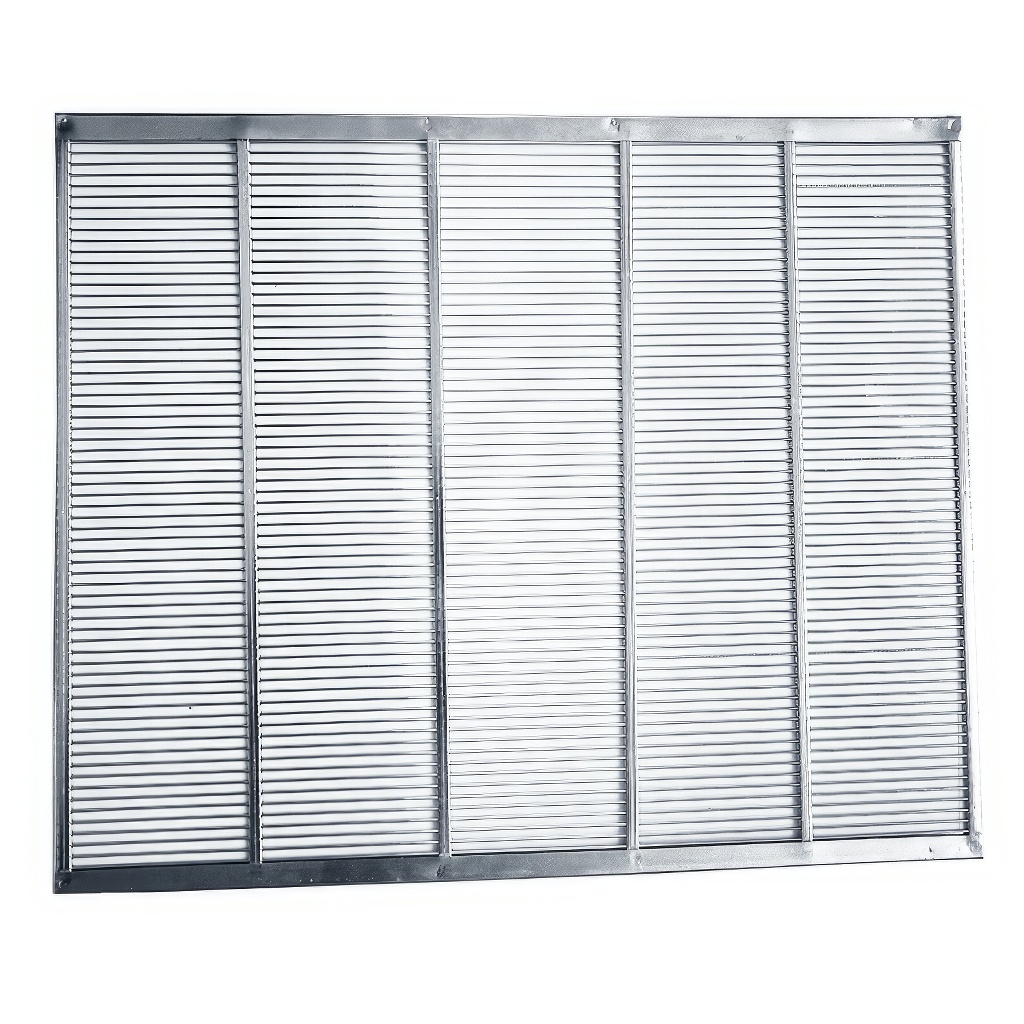
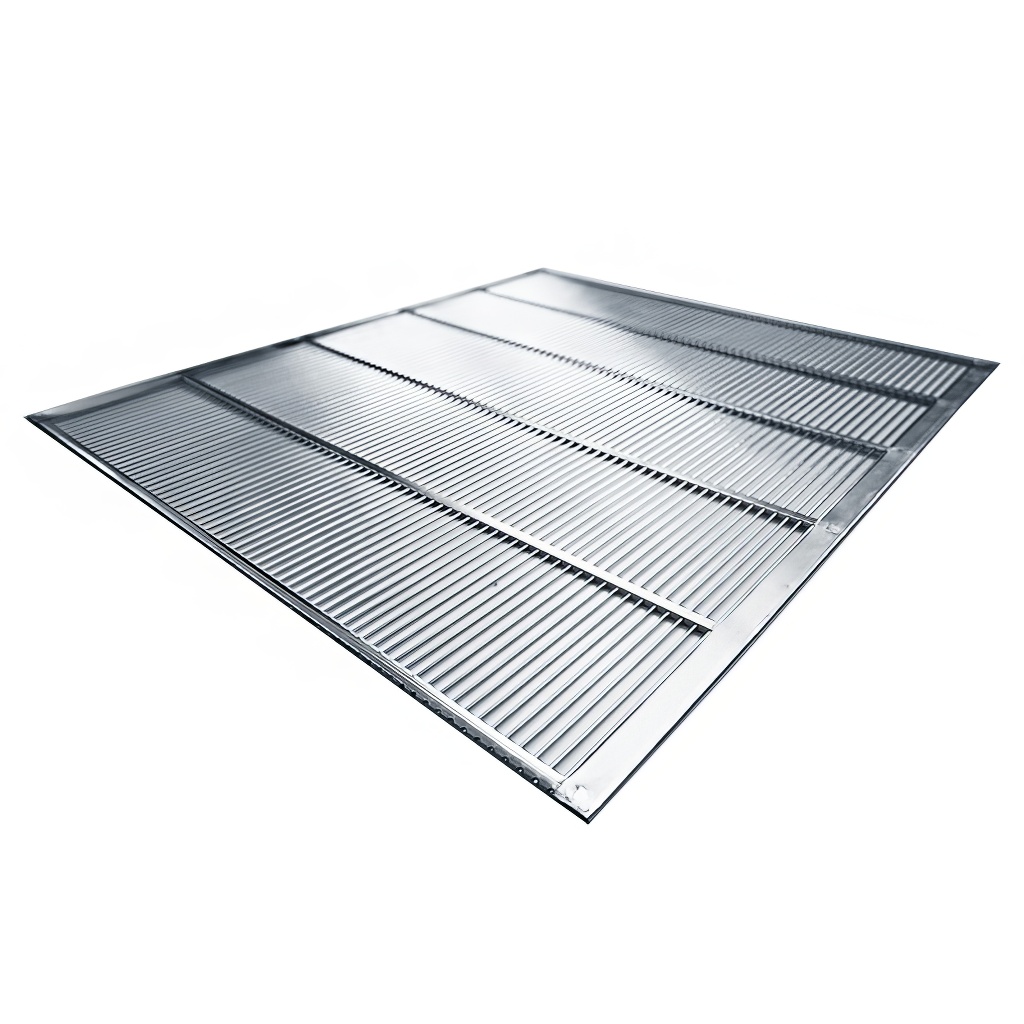
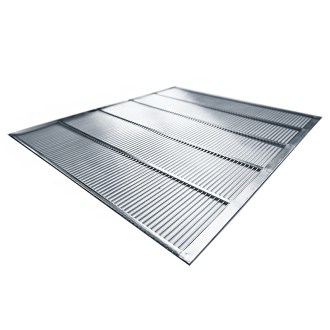
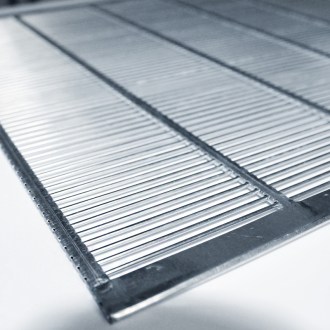
Stainless steel queen excluder with frame 370x483 mm DE
 In stock
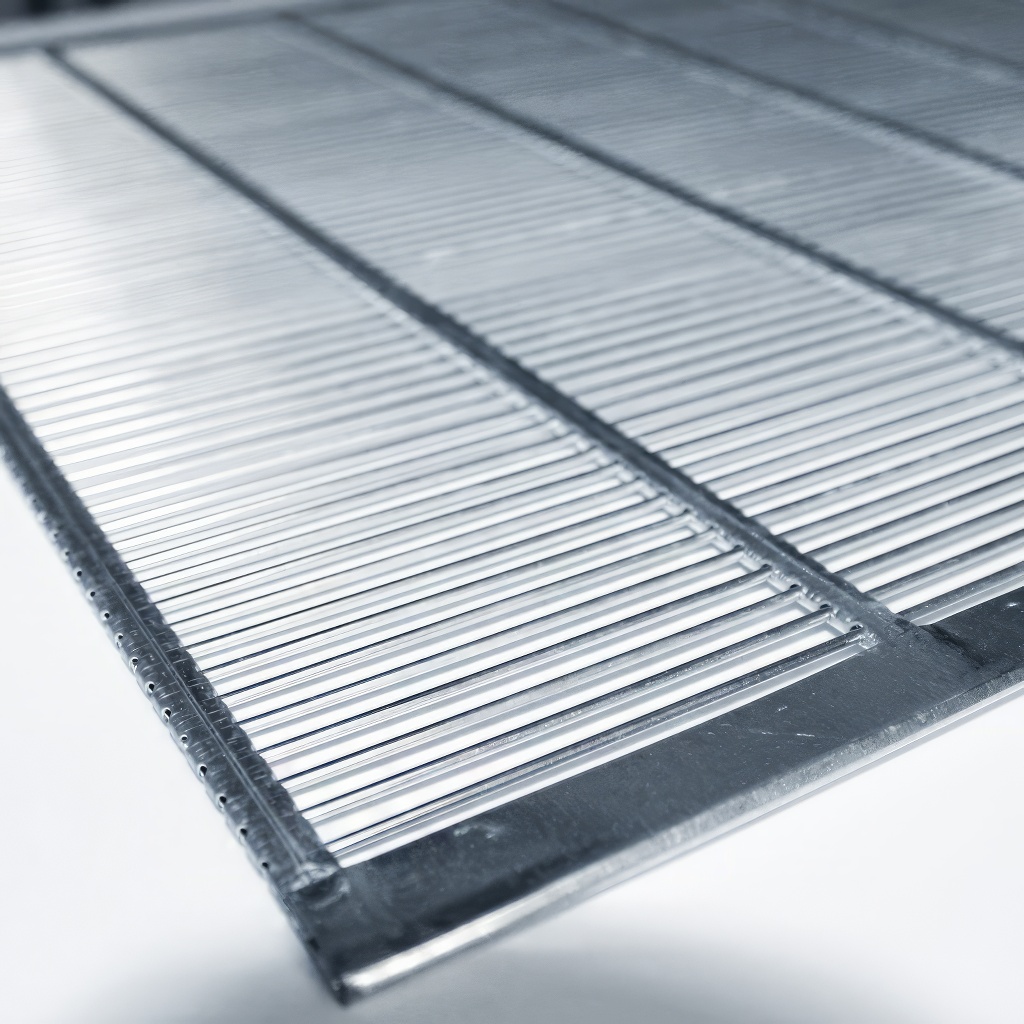
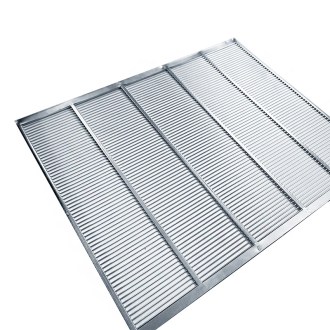
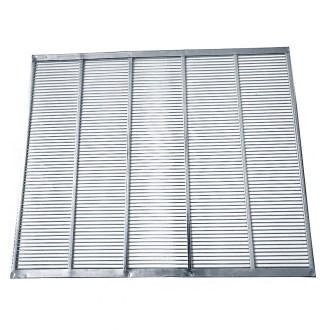
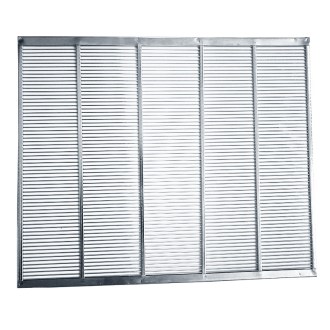
Stainless steel queen excluder with frame is most popular queen excluder. Made in several sizes.
Stainless Steel Queen Excluder Mellarius 370 × 483 mm
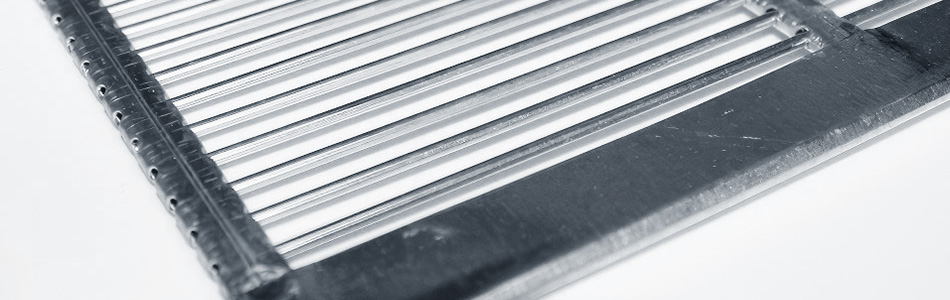
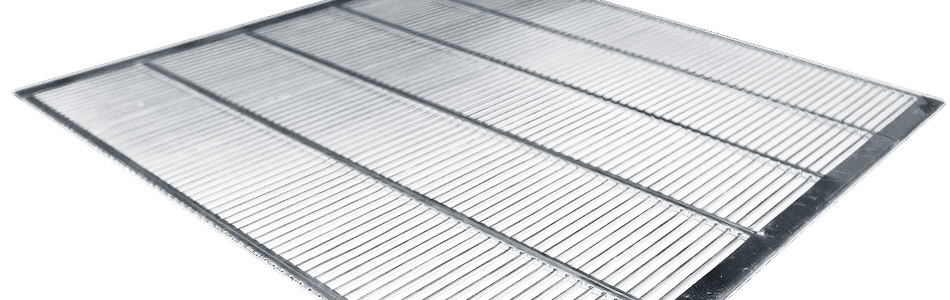
Wire stainless steel queen excluder in size 370 × 483 mm is a proven hive tool that helps maintain proper organization of the brood chamber and honey super. The excluder is made of stainless steel wires firmly welded into a durable stainless steel frame, so it does not twist, bend during regular work with the colony, and maintains its shape long-term. Its main purpose is to reliably prevent the queen from passing into the honey super, so the queen remains in the brood chamber and honey super combs are not contaminated with brood. The result is clearer colony management and cleaner honey harvest without unnecessary complications.
Why Choose the Wire Stainless Steel Version
The excluder has precisely dimensioned passages that easily allow worker bees to pass through, but the queen cannot pass through them. Metal excluders made of round wires are valued among beekeepers for good passability – bees are less delayed when passing through, do not damage their wings, and service the honey super more smoothly. Stainless steel also excels in hygiene and durability: unlike some plastics, you can easily clean it, boil it, or heat disinfect it. This is a premium design popular especially among professional beekeepers.
Tips for Proper Use in the Hive
For the best acceptance of the excluder by bees, do not place it "tightly" directly on the top bars of the frames. It is ideal to maintain bee space so that bees can move freely under the excluder and are not unnecessarily hindered. We recommend orienting the excluder wires parallel to the top bars of the frames and this makes it easier for bees to pass smoothly from the brood chamber to the honey super. This robust Mellarius excluder is a practical choice for beekeepers who want a solid, durable, and easily maintainable solution.
Technical Specifications
| Brand / Manufacturer: | Mellarius |
| Excluder Type: | Wire, firmly welded in frame |
| Material: | Stainless steel (corrosion resistant) |
| Dimensions: | 370 × 483 mm |
| Maintenance: | Mechanical cleaning, possibility of boiling and heat disinfection |