Varroasis detection kit
 In stock
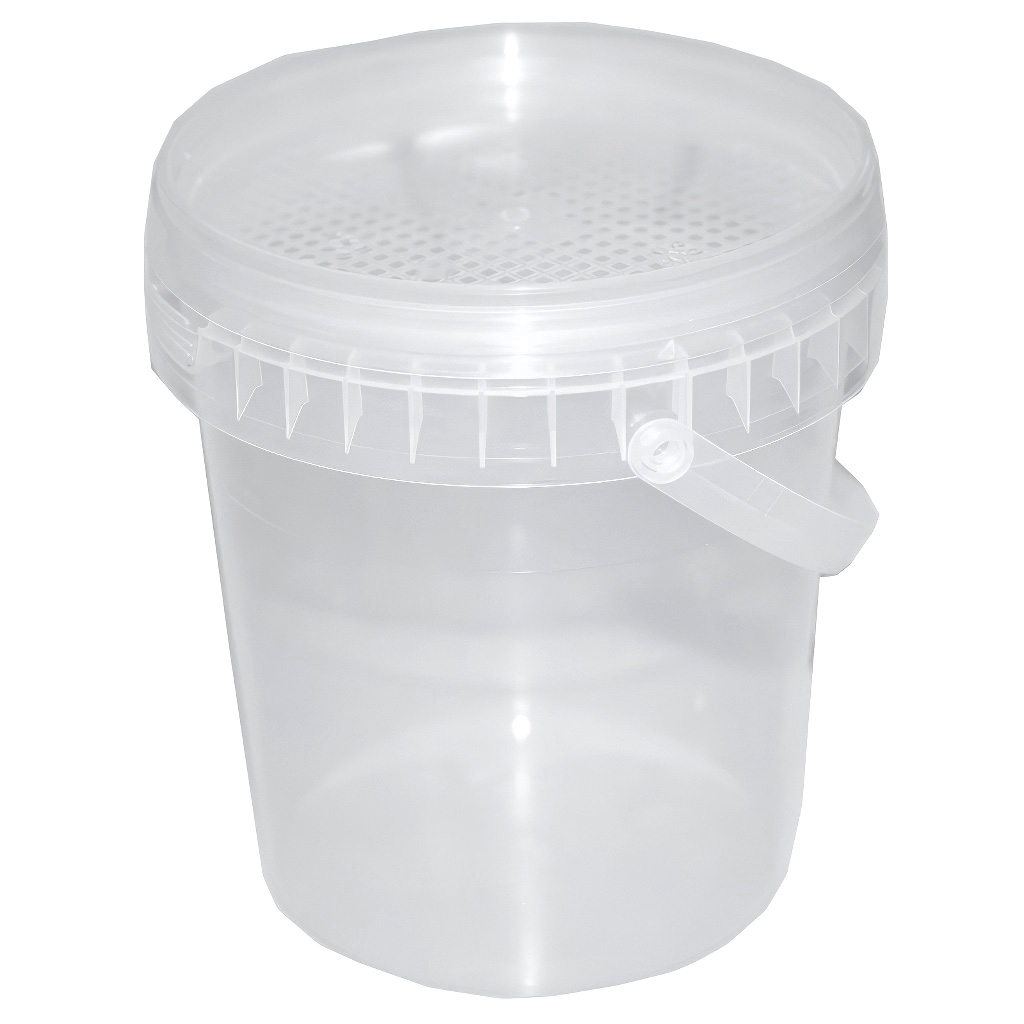
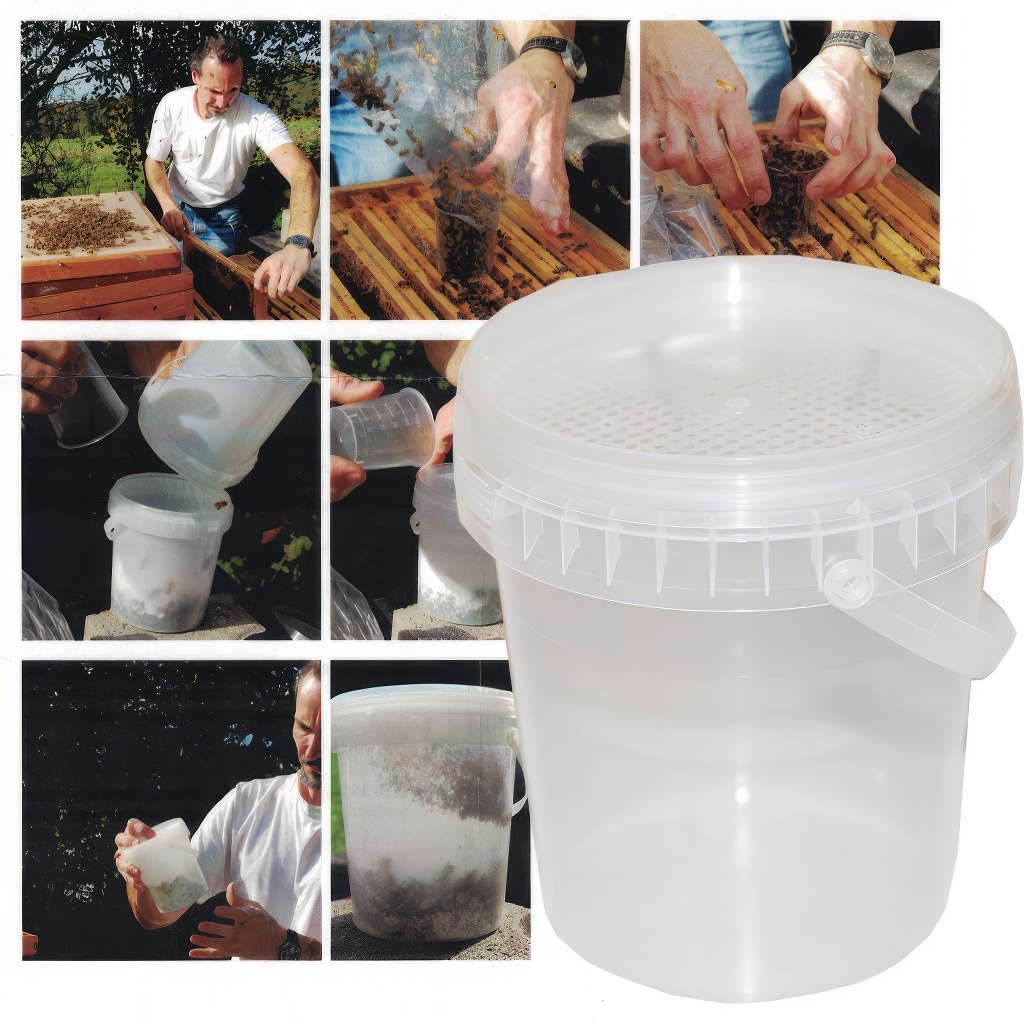
Varroa Mite Monitoring Assembly. Item using icing sugar. This is the best way to monitor varroasis.
Varroa Mite Monitoring Kit Using the Gentle Sugar Roll Method
This practical monitoring kit helps detect the level of Varroa destructor mite infestation in a honey bee colony in a timely manner. Regular mite count checks are an important part of bee health management and allow you to plan necessary treatment before more serious problems arise.
Testing is carried out using extra fine powdered sugar, which helps dislodge mites from the bees' bodies. The method is quick, easy to perform directly at the apiary, and when done correctly, does not require killing the sampled bees. After monitoring is complete, the sugar-coated worker bees can be returned to the hive, where the other bees will clean them off.
Main Advantages of the Monitoring Kit
- enables quick checking of varroa mite infestation levels in a colony,
- uses a non-destructive sugar roll method,
- the test can be performed directly at the apiary,
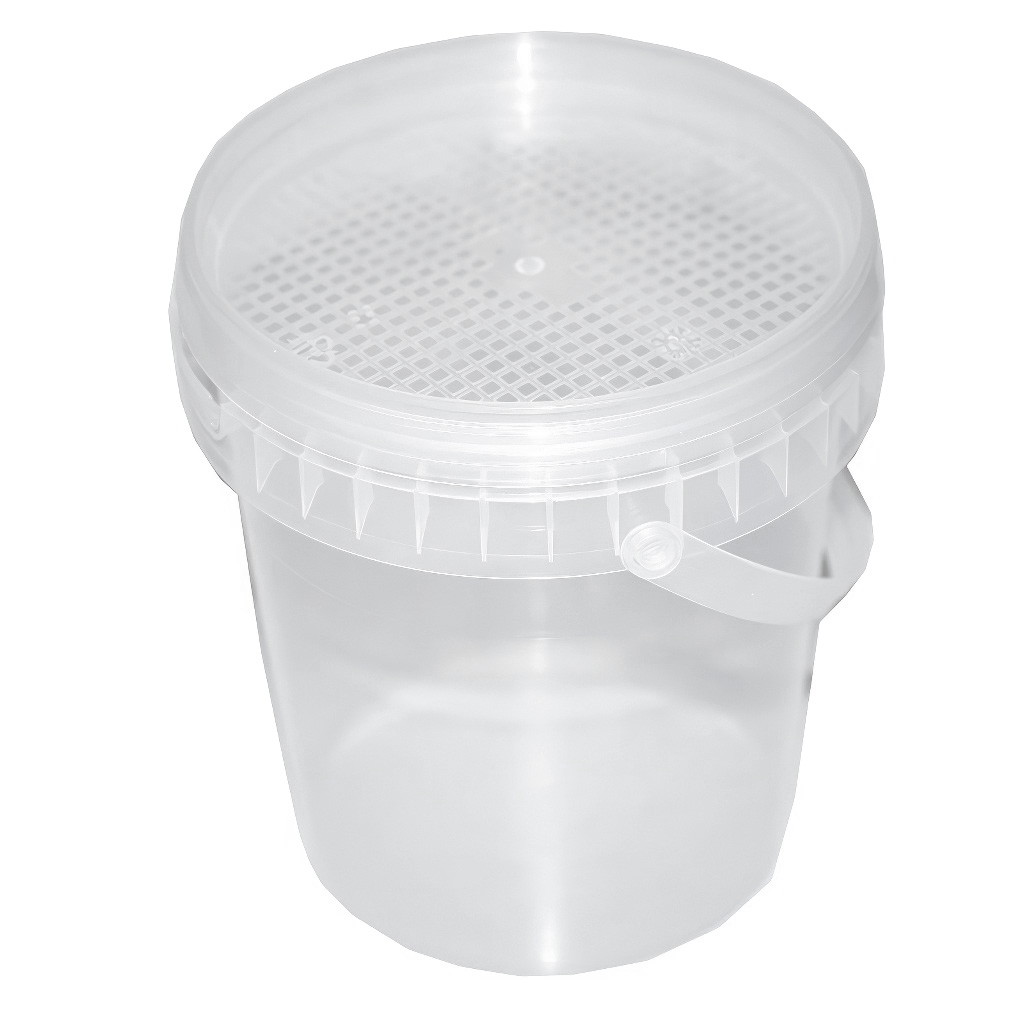
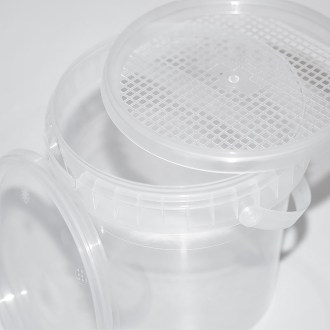
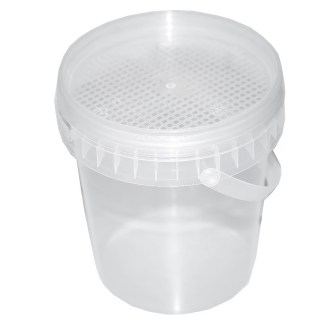
- the transparent container makes it easy to observe the entire process,
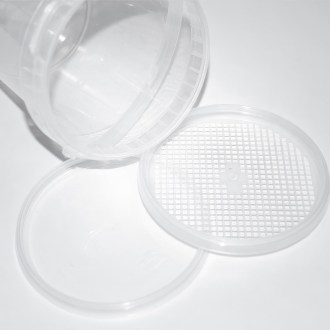
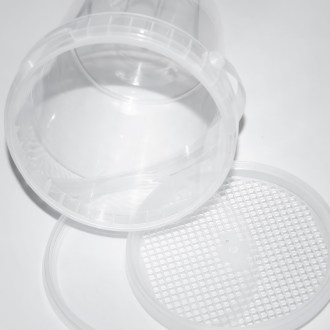
- two lids allow for safe shaking and subsequent separation of sugar with mites,
- the container can be easily washed after use and prepared for the next monitoring.
Kit Contents and Additional Required Supplies
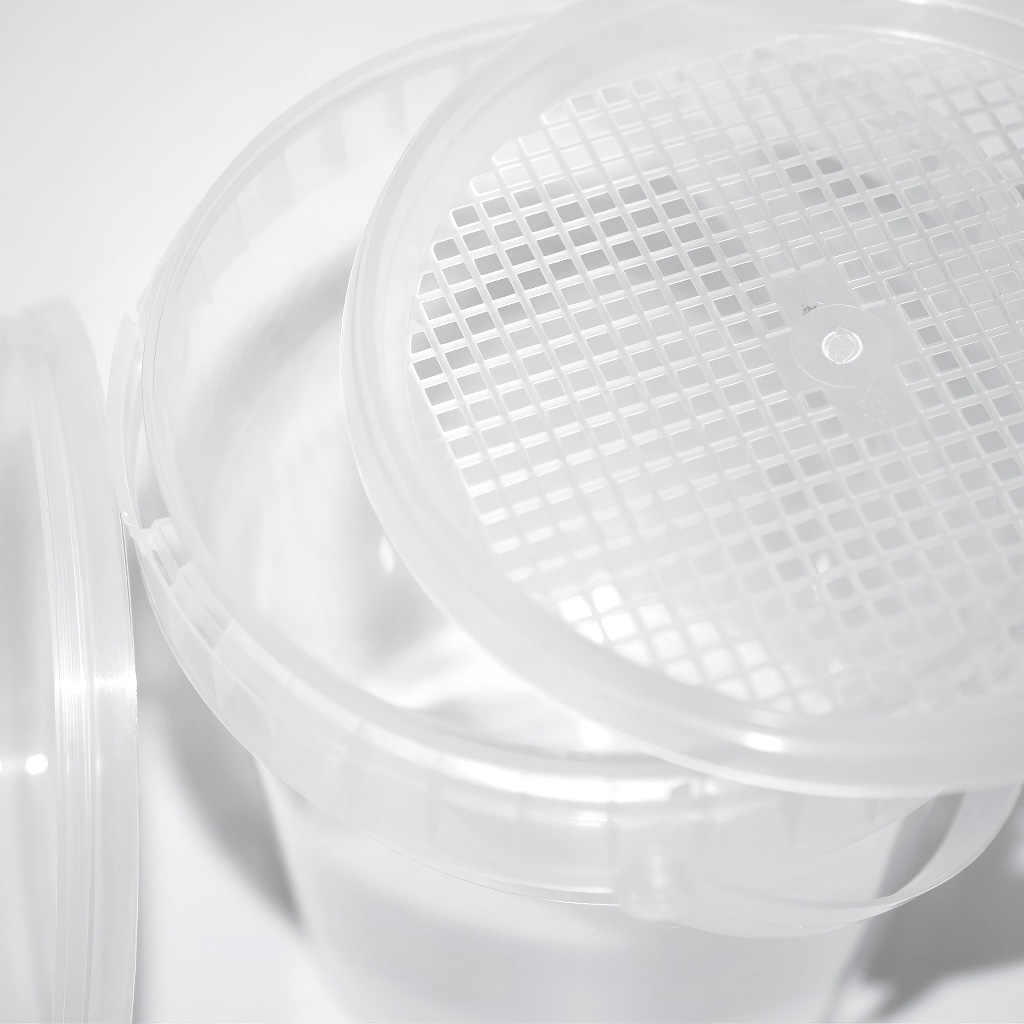
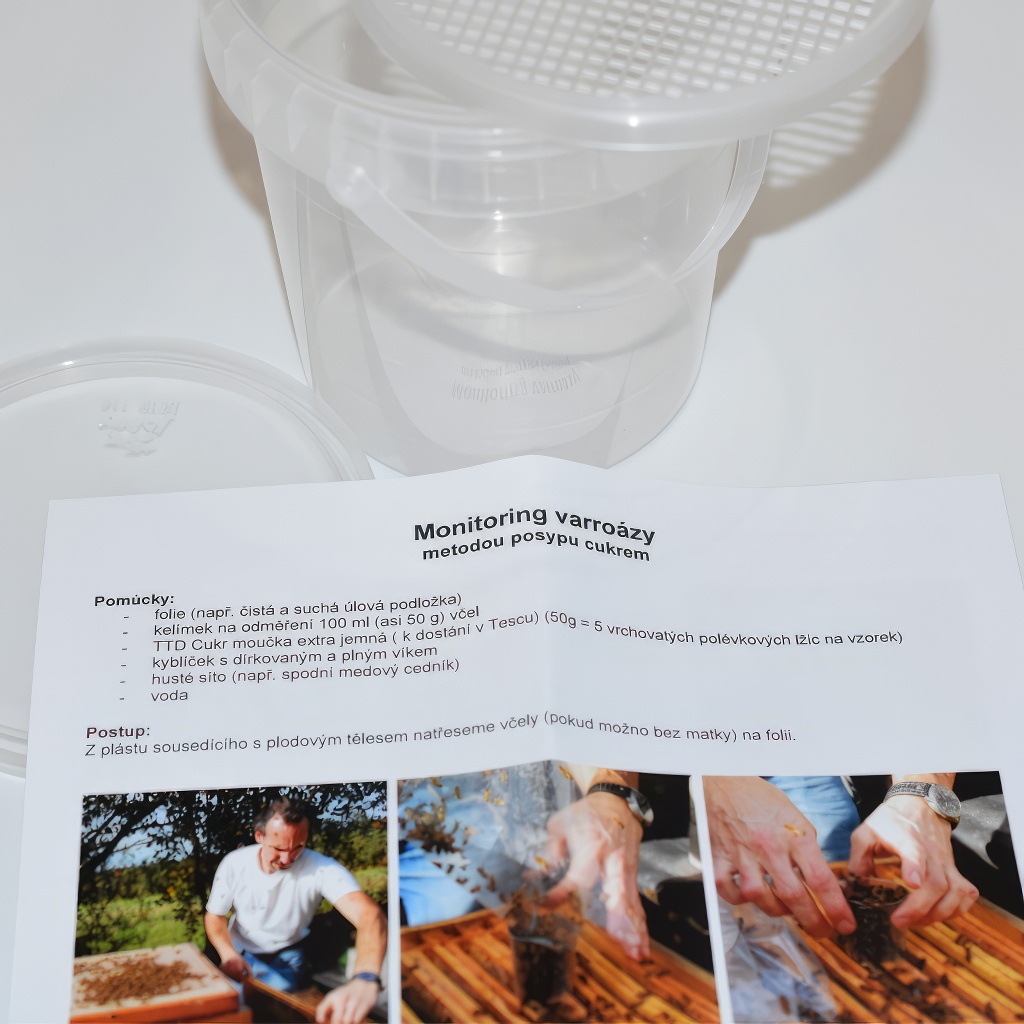
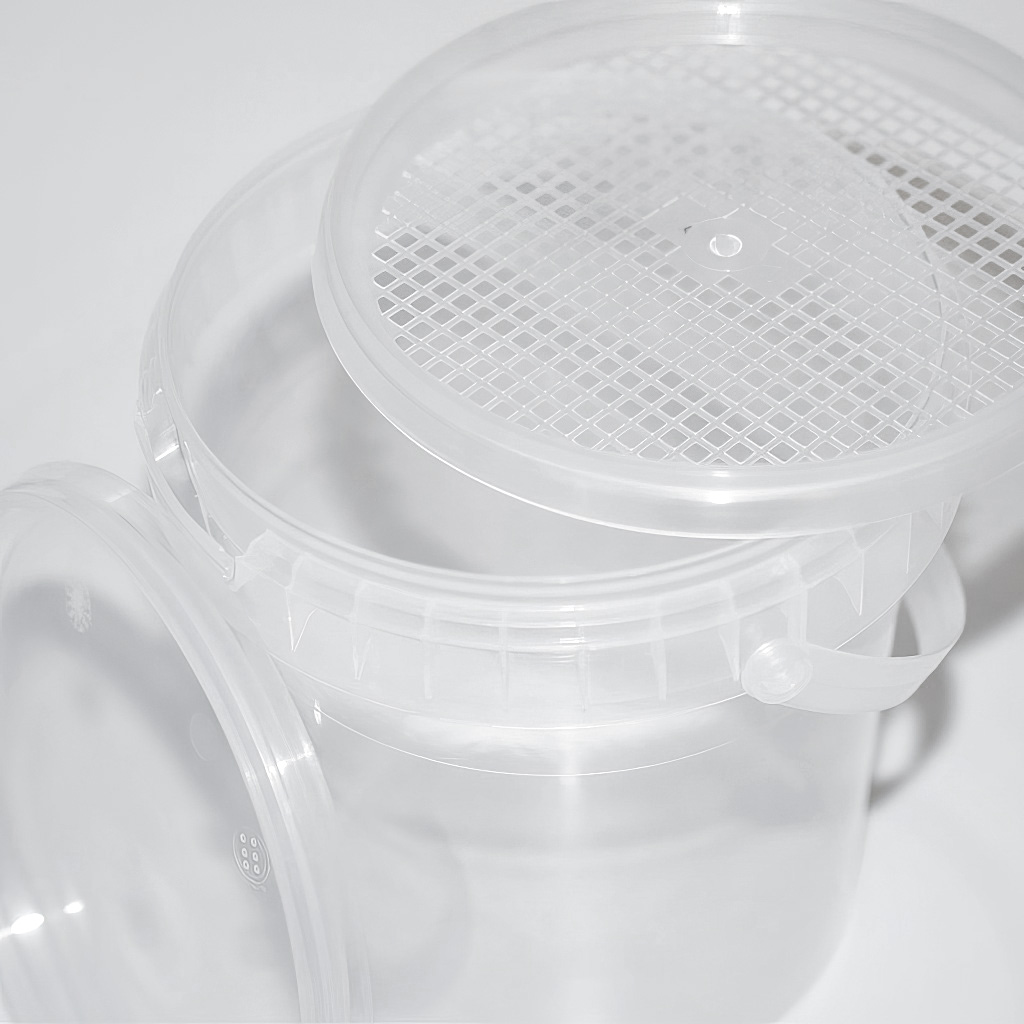
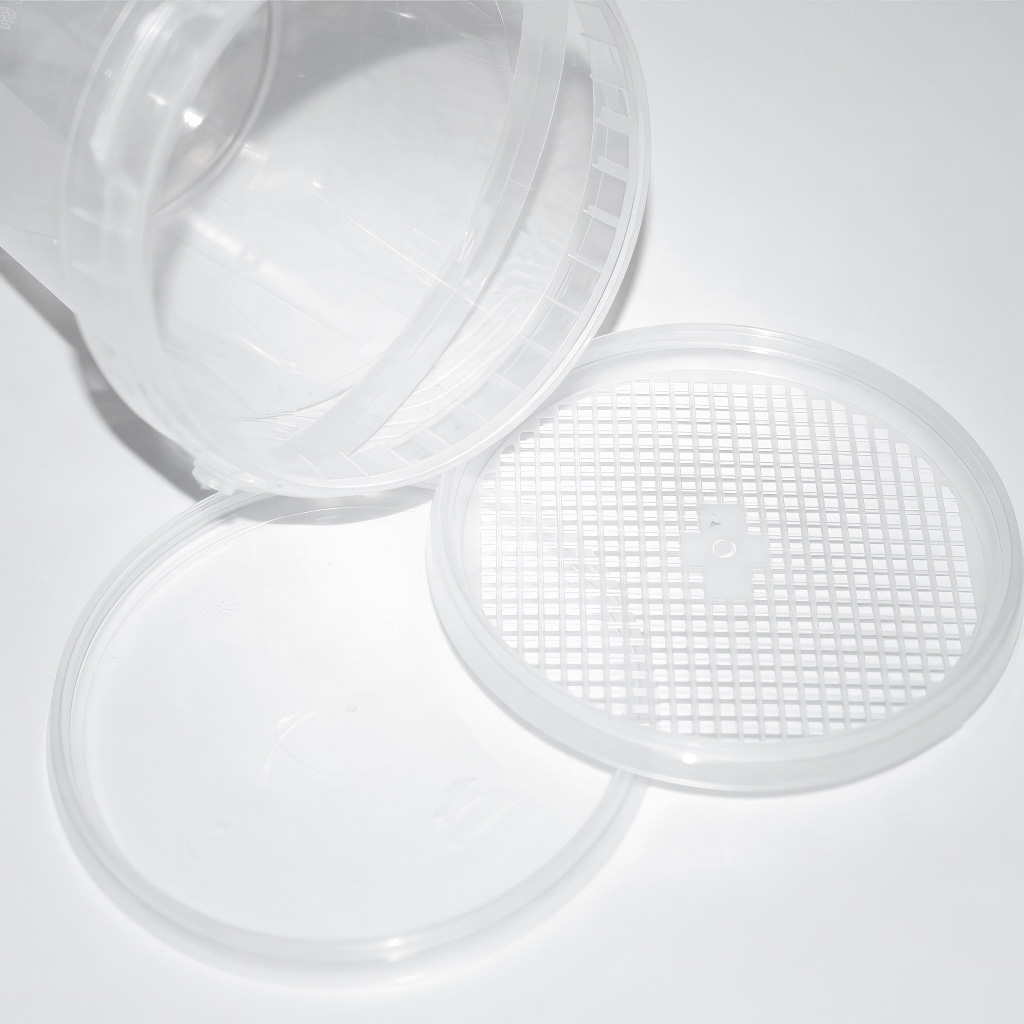
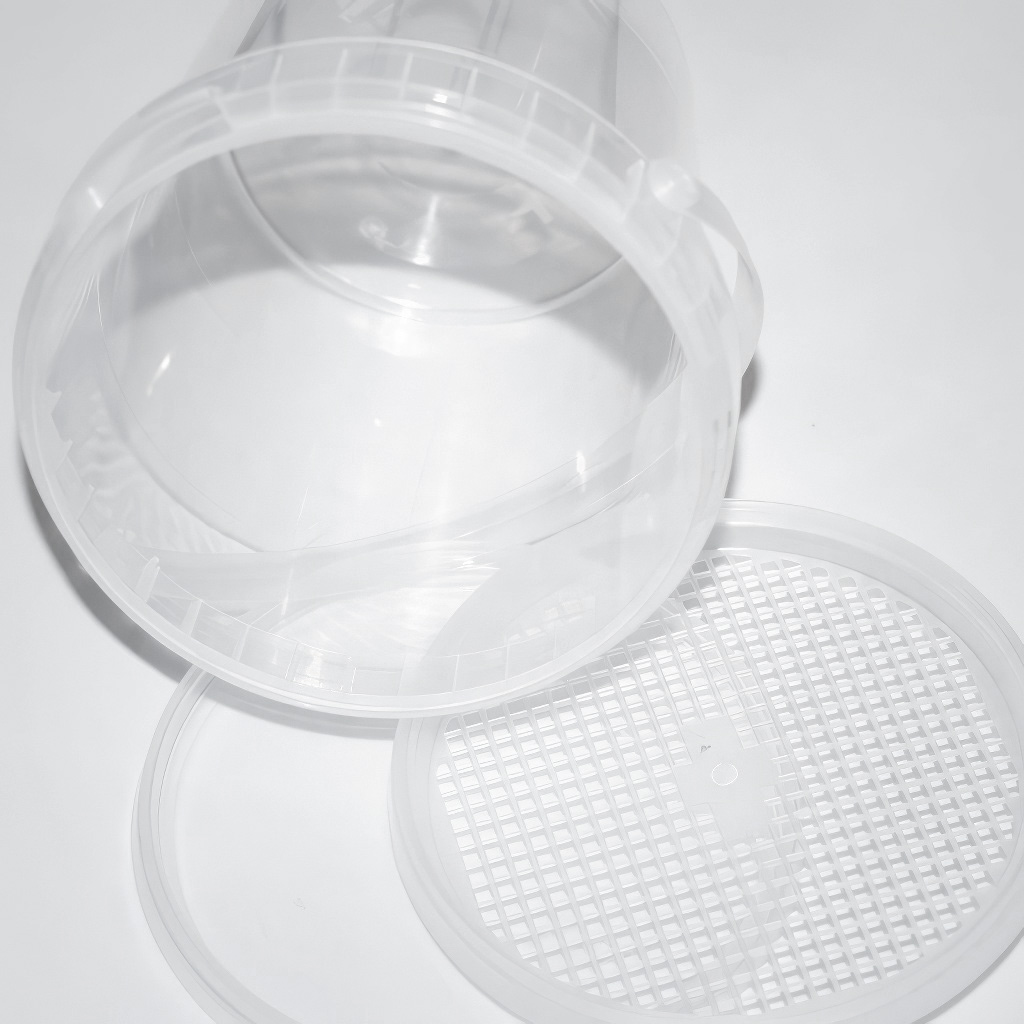
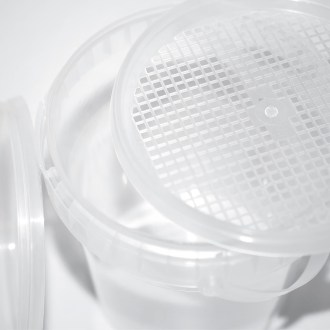
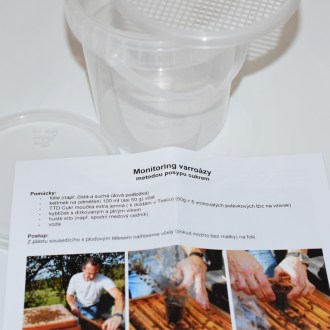
The kit contains a transparent plastic container, a perforated (mesh) lid, and a solid cover lid. To perform the test, also prepare the following:
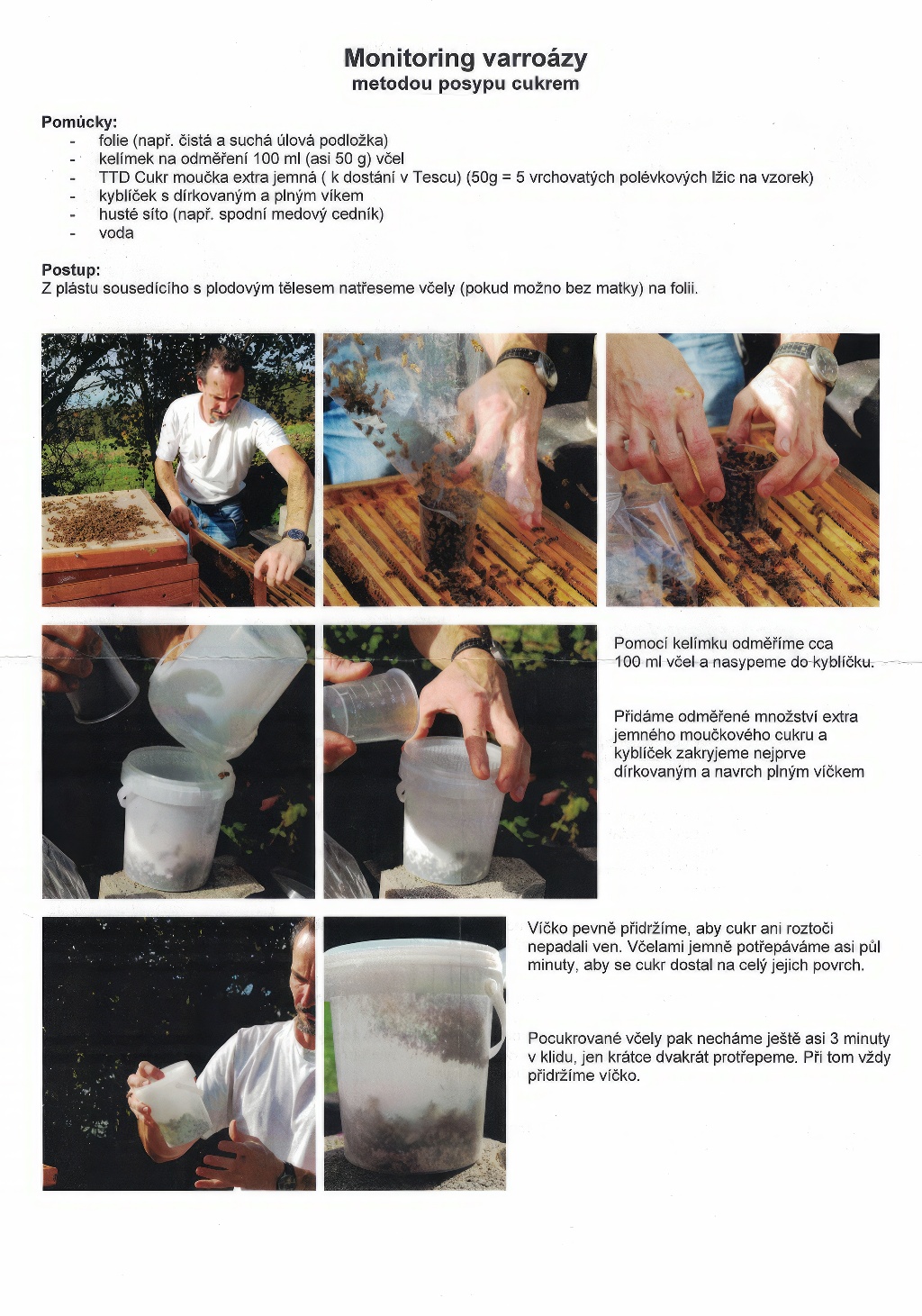
- a clean and dry cappings tray or hive bottom board insert,
- a measuring cup with a volume of 100 ml,
- approximately 50 g of extra fine powdered sugar without lumps,
- a fine-mesh sieve, such as a honey strainer,
- clean water for rinsing off the mites,
- a light-coloured surface for easy counting.
Step-by-Step Monitoring Procedure
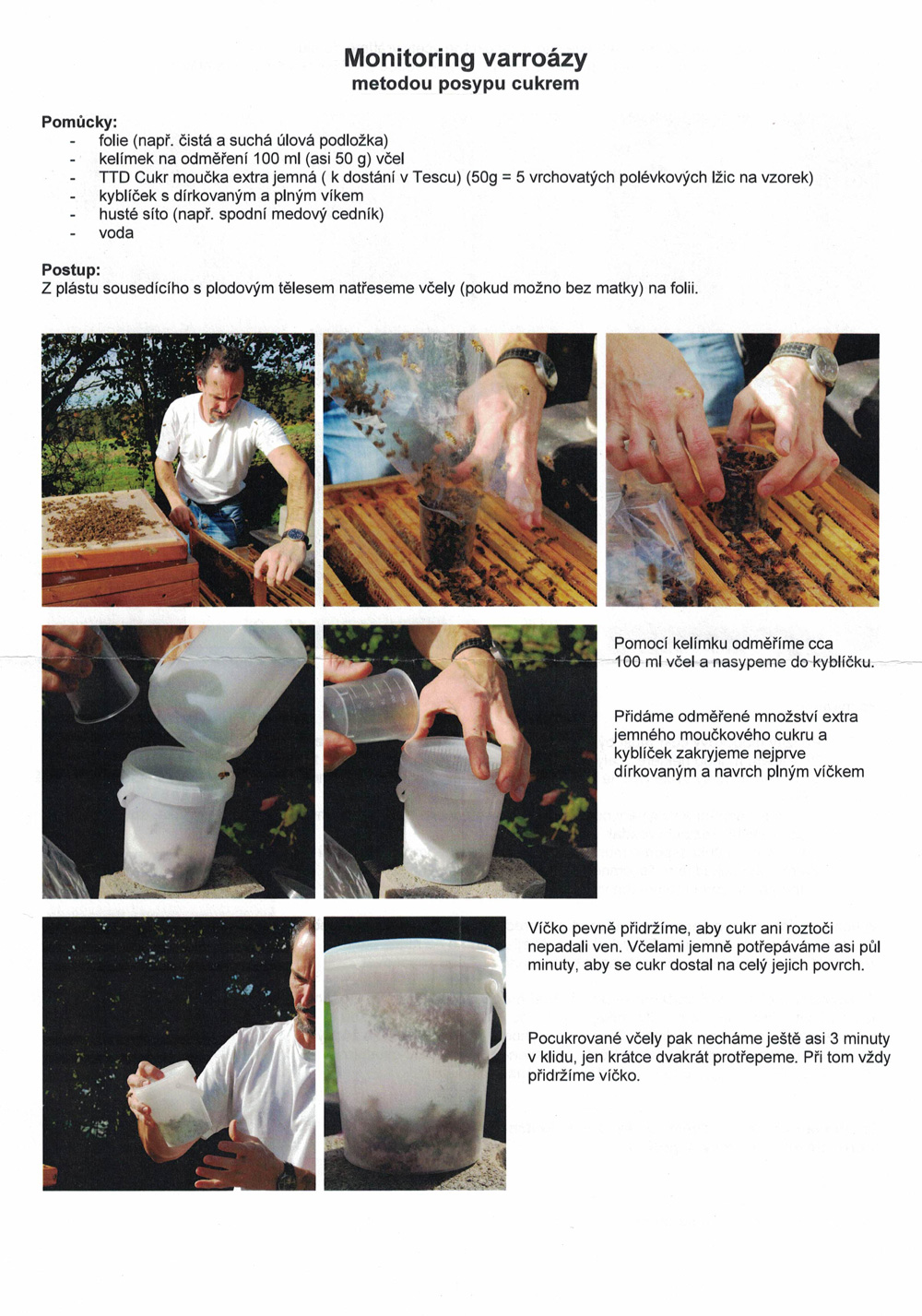
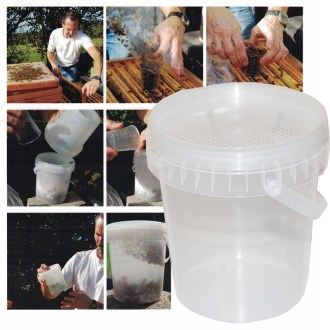
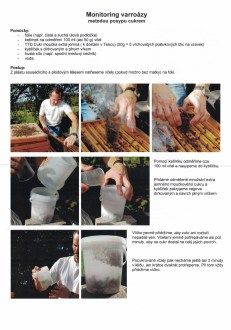
- Gently shake bees from a frame near the brood nest onto the prepared tray or clean surface. Before sampling, always make sure the queen is not among them.
- Measure approximately 100 ml of bees, which corresponds to about 50 g or approximately 300 worker bees, and pour them into the transparent container.
- Add approximately 50 g of extra fine powdered sugar, which is about five heaped tablespoons.
- Close the container with the perforated lid and then place the solid cover lid on top.
- Gently shake the container for approximately 30 seconds so that the sugar evenly coats the bees' bodies.
- Let the container rest for about 3 minutes. During this time, the sugar will help dislodge mites attached to the bees.
- Then shake the container briefly and thoroughly two more times.
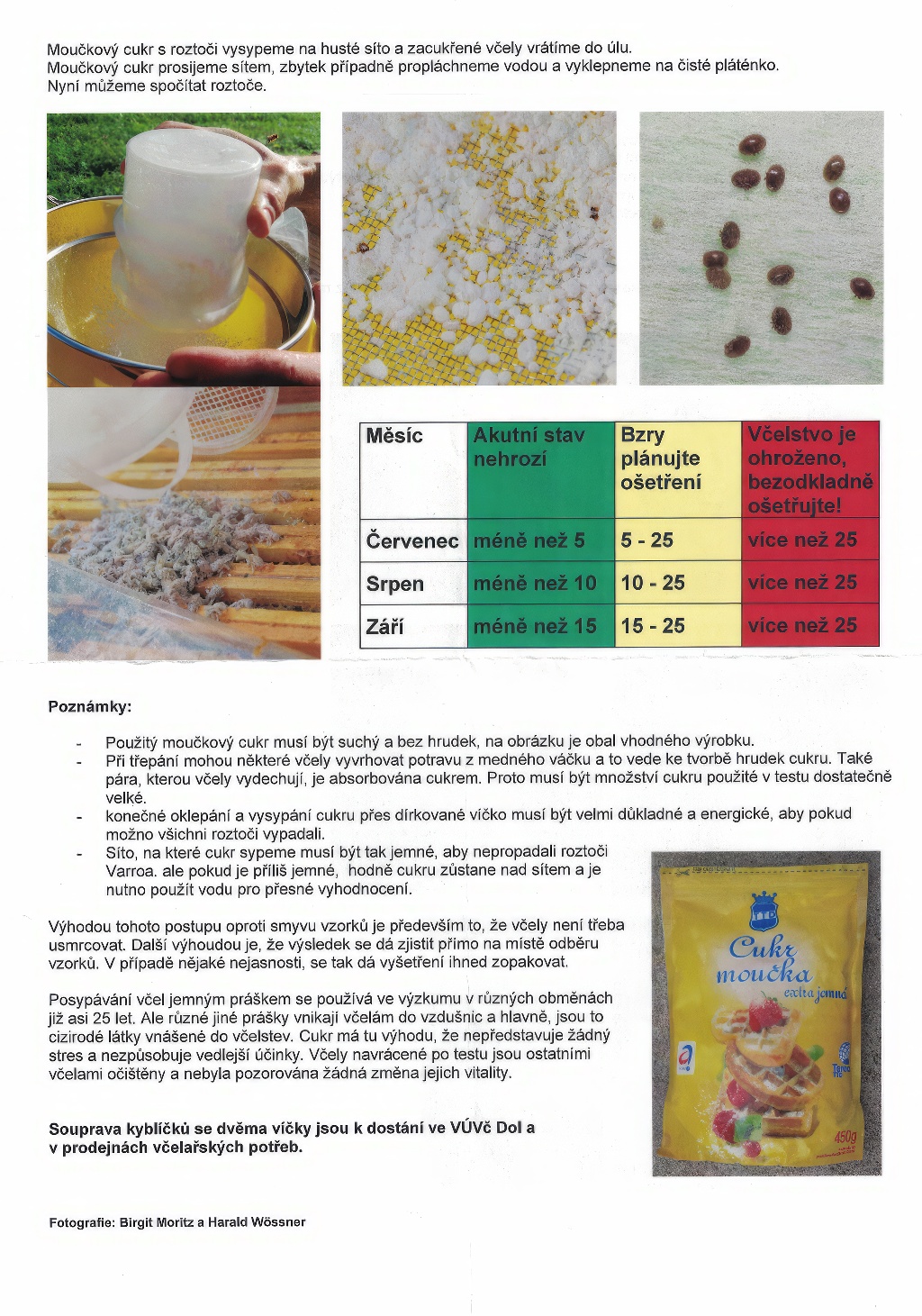
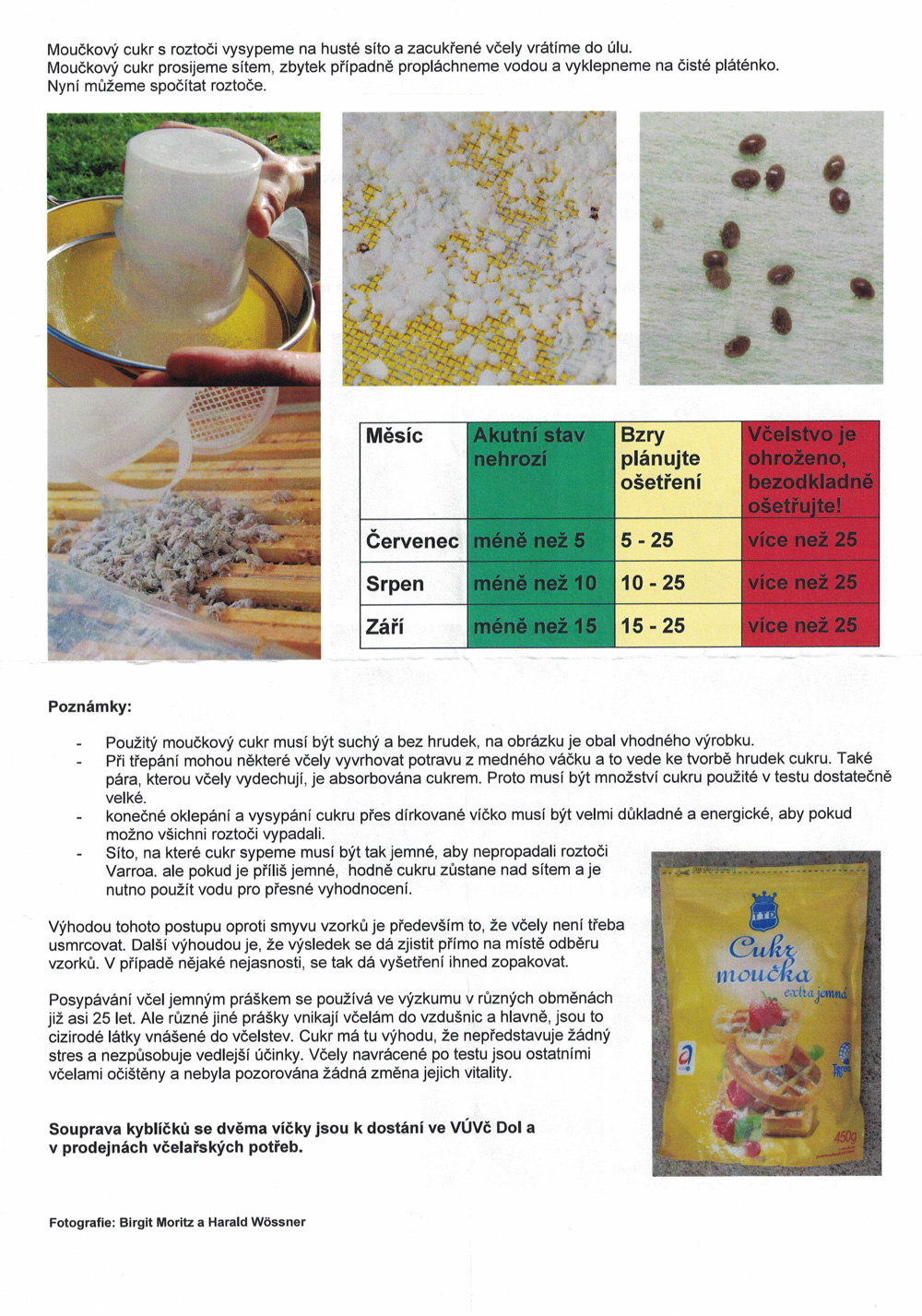
- Remove the solid lid and shake the sugar along with the dislodged mites out through the perforated lid onto a fine-mesh sieve.
- Return the sugar-coated bees to the hive.
- Sift the sugar, rinse the captured mites with clean water, and tap them out onto a light-coloured surface where they can be easily counted.
Approximate Infestation Level Assessment
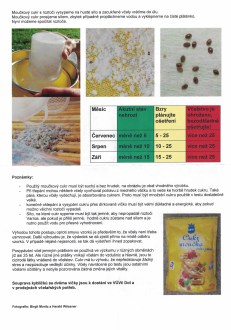
Compare the number of mites found with the following approximate reference table for Central European conditions. The varroa mite population should be monitored regularly, especially during the summer months, when its rapid growth can threaten the winter generation of bees.
| Month of Monitoring | No Acute Threat | Plan Treatment Soon | Colony Is at Risk |
| July | fewer than 5 mites | 5–25 mites | more than 25 mites |
| August | fewer than 10 mites | 10–25 mites | more than 25 mites |
| September | fewer than 15 mites | 15–25 mites | more than 25 mites |
Note: The values listed are approximate. When planning treatment, always take into account the current condition of the colony, local conditions, and applicable veterinary recommendations.
Practical Tips for More Accurate Results
The powdered sugar must be perfectly dry, extra fine, and free of lumps. Moisture caused by the bees' respiration or possible regurgitation of honey stomach contents can cause the sugar to clump, thereby reducing the effectiveness of the test. Therefore, use the recommended amount of approximately 50 g of sugar per sample.
Perform the final shaking of sugar through the perforated lid thoroughly so that no dislodged mites remain trapped in the container. The sieve used must have a sufficiently fine mesh so that varroa mites, which are approximately 1–1.5 mm in size, do not fall through.
Technical Specifications
| Product Type | Monitoring kit / diagnostic container |
| Material | Transparent and easy-to-clean plastic |
| Package Contents | 1× transparent container, 1× perforated lid, 1× solid cover lid |
| Testing Method | Non-destructive sugar roll method |
| Recommended Sample Size | 100 ml of bees, approximately 50 g or 300 worker bees |
| Intended Use | Monitoring varroa mite infestation levels in honey bee colonies |