















Dear customers, on July 6 our stores and shipping department will be closed. Thank you for your understanding, and we apologize for any inconvenience.
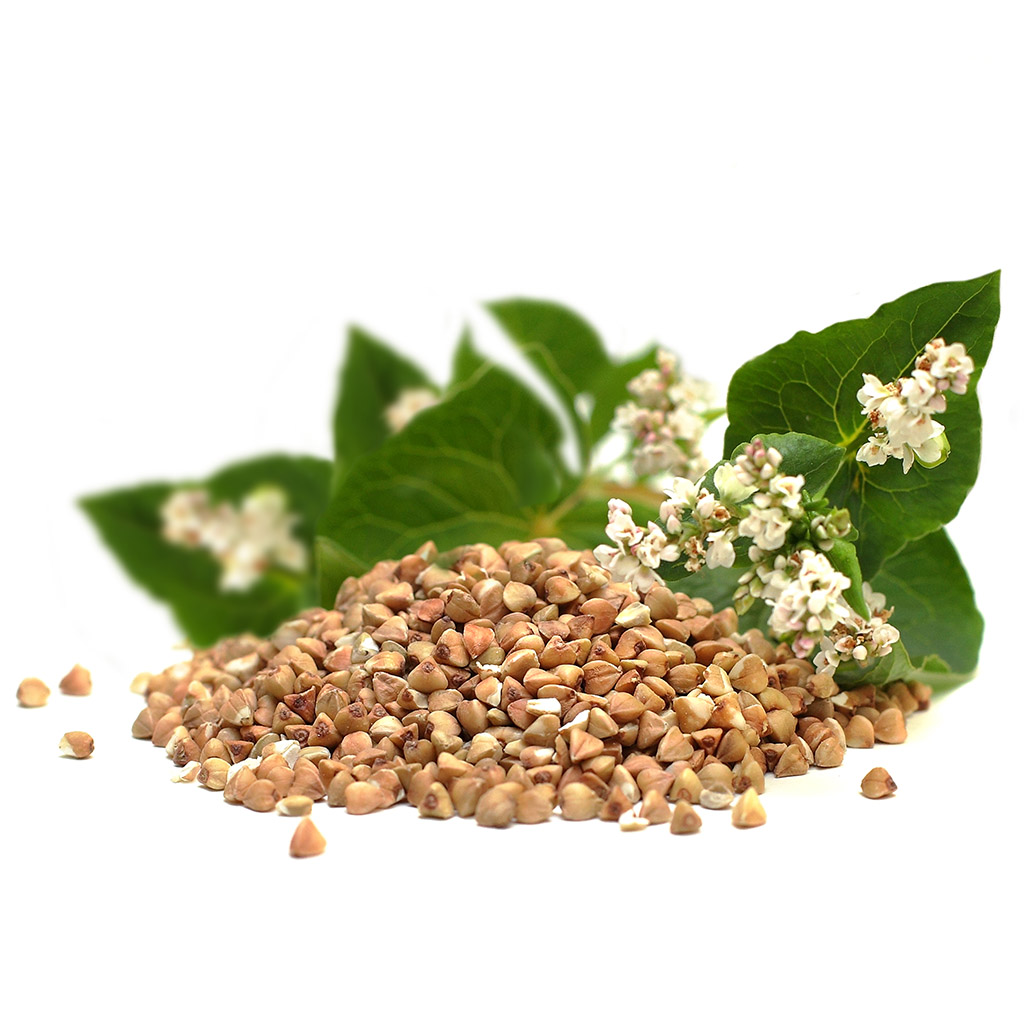


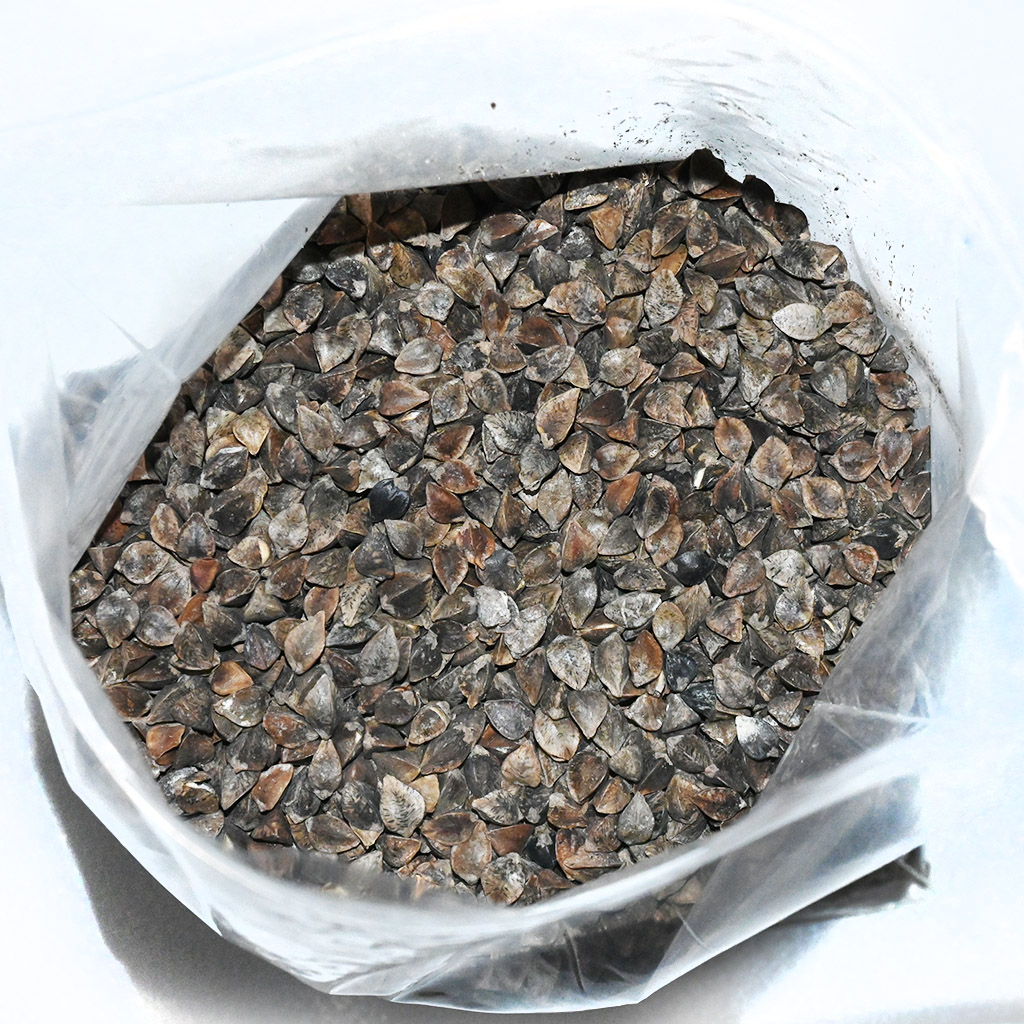

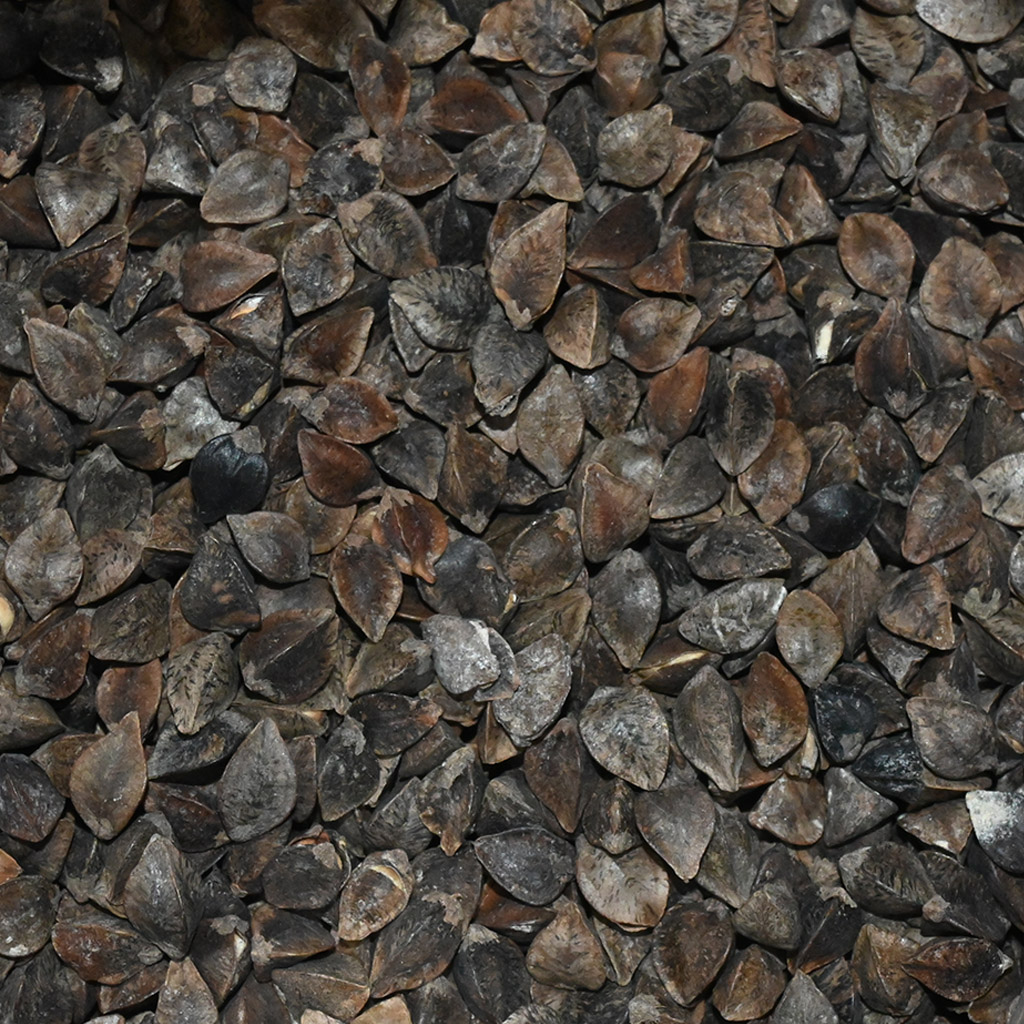

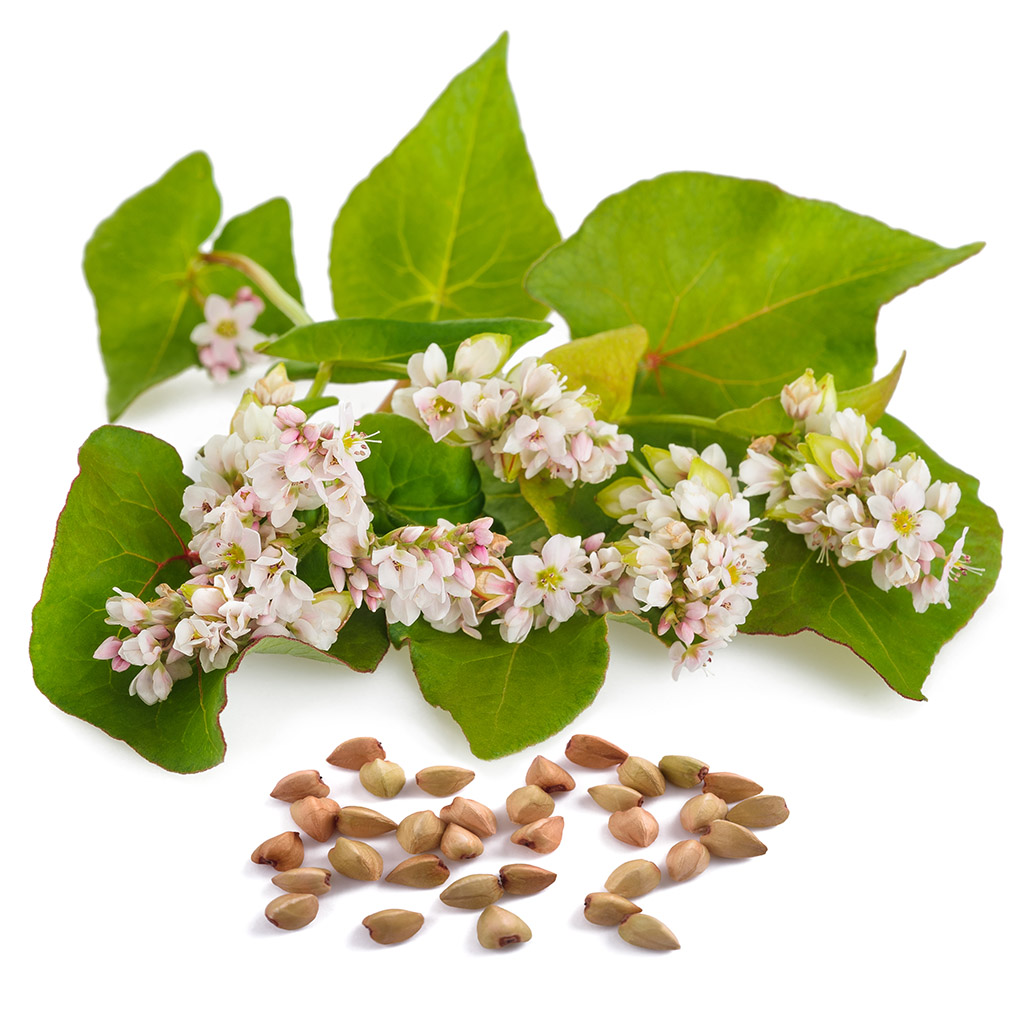




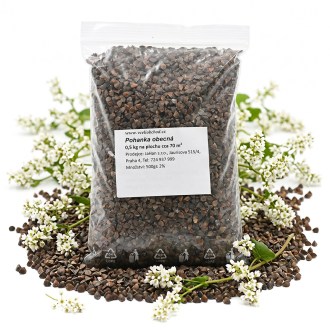




Common buckwheat seeds - 0.5 kg
 In stock
It is an undemanding annual plant from the knotweed family, 30-80 cm tall. It provides both nectar and pollen to bees. Buckwheat has a very short vegetation period. Under favorable conditions, it blooms within 40 days after sowing. Buckwheat is particularly sensitive to spring frosts, so sowing should be done during May. Quality catch crop and green manure. It is also used as feed for livestock and in the food industry.

Common Buckwheat (Fagopyrum sagittatum) – Honey Plant for Bees and Garden
Do you want to ensure a reliable honey flow for your bees while also improving the soil in your garden or field? Common buckwheat is among the proven honey plants that beekeepers gladly include precisely for its rapid flowering onset and good nectar and pollen supply at a time when other sources may be declining. It is an undemanding annual plant from the knotweed family, usually 30–80 cm tall, which thanks to its vigorous growth can quickly create a stand and attract pollinators.

Strong Nectar and Pollen Flow for Colonies
Buckwheat is valued among beekeepers mainly for its intensive nectar supply. The white, pink to reddish flowers are very attractive to bees and the stand is literally "alive" during flowering. A great advantage is the short growing season – under good conditions, buckwheat begins to bloom approximately 40 days after sowing, which allows targeted supplementation of the honey flow during the season. Buckwheat honey tends to be dark, distinctly aromatic and specific in taste, therefore it has its firm place among honey lovers.
More Than a Honey Plant: Cover Crop, Green Manure and Food
Buckwheat also serves well as a cover crop and green manure. It quickly covers the soil, limits weed growth and helps improve site condition. It thrives even on lighter sandy-loam soils and tolerates slightly acidic environments, making it suitable even where other crops struggle. Besides its agronomic benefits, buckwheat has significance in the kitchen: it is naturally gluten-free, contains rutin and valuable minerals. Hulled seeds (groats) are used in traditional dishes and modern gluten-free baking – from Japanese soba noodles to porridges and side dishes.

How to Grow Buckwheat to Benefit Bees
Buckwheat is sensitive to spring frosts, so it pays to wait with sowing until after they subside – most commonly in the second half of May, when the soil is warmed up. For good flowering and seed formation, it needs sufficient warmth and moisture. Beware of nitrogen over-fertilization: excessively high doses can lead to lush growth at the expense of flowering and thus honey flow. Thanks to its low requirements, buckwheat is suitable even for gentle, natural and organic farming.
Technical Parameters and Recommendations
| Sowing date | May (after frosts) |
| Flowering period | July – September (depending on sowing date) |
| Sowing depth | 2 – 3 cm |
| Recommended seeding rate | 60 – 80 kg/ha |
| Growing season | 10 – 12 weeks (flowering after approx. 40 days) |
| Plant height | 30 – 80 cm |
| Use | Honey plant, green manure, food industry, fodder |
Buckwheat is also often mentioned for its content of rutin and other substances (e.g., D-chiro-inositol), which are associated with supporting the cardiovascular system and metabolism. In traditional use, tea from buckwheat herb also appears, popular for vein wall care. Sowing buckwheat can thus be a practical investment: it will provide attractive forage for bees while helping you restore the soil and obtain valuable raw material for the household.