





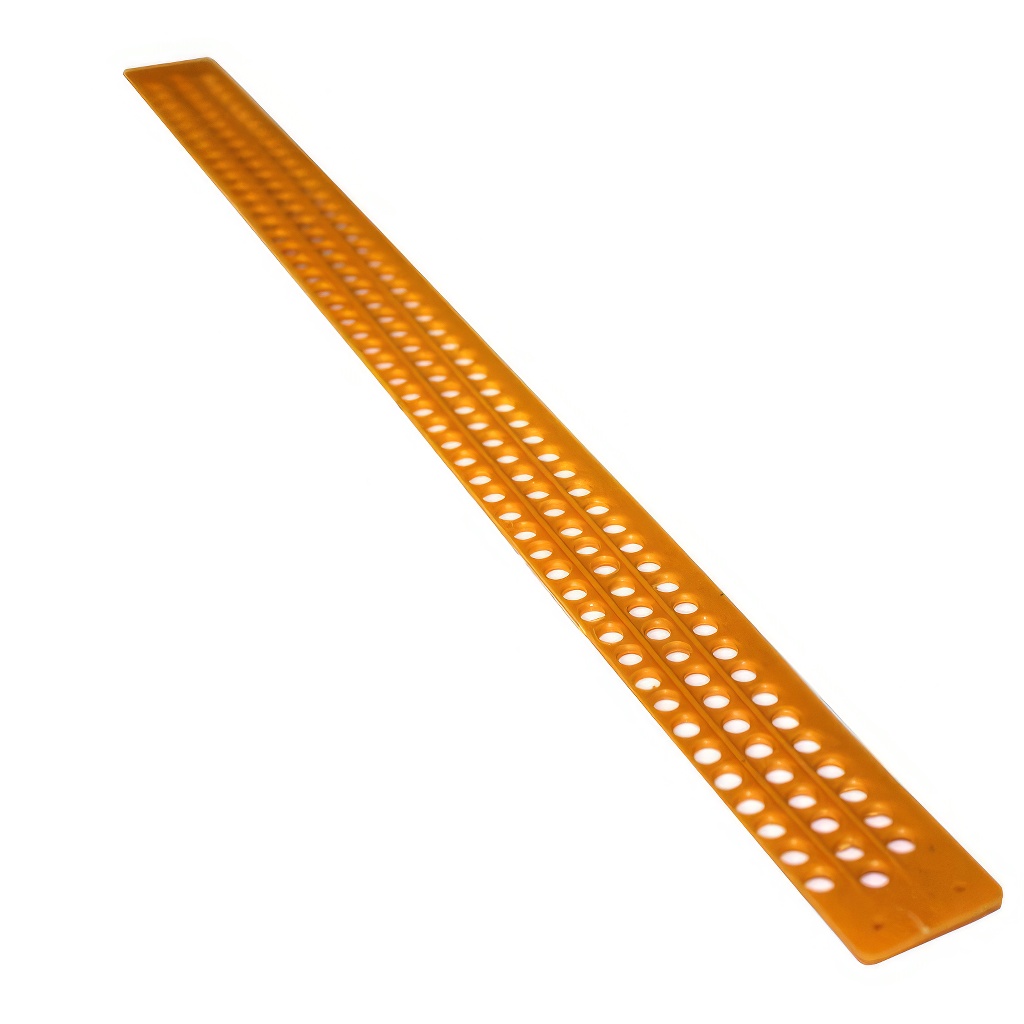
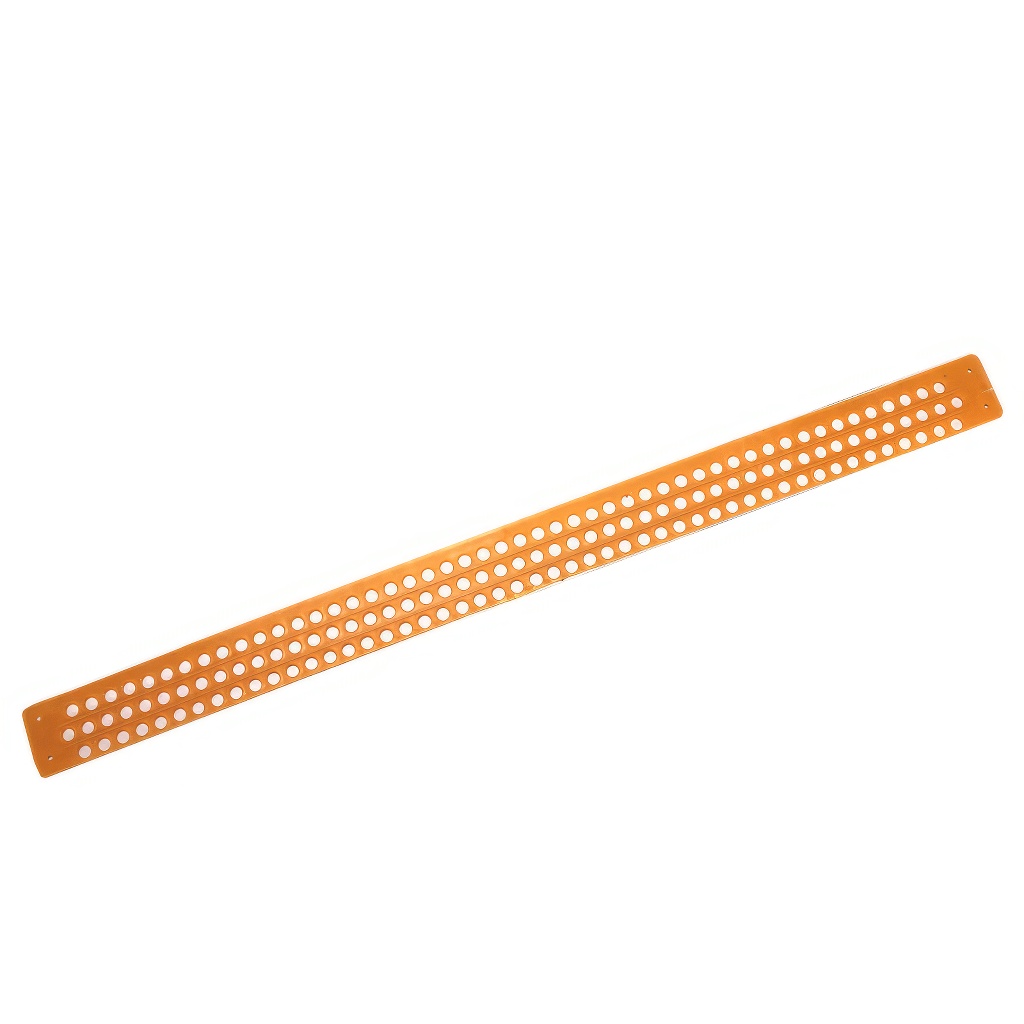

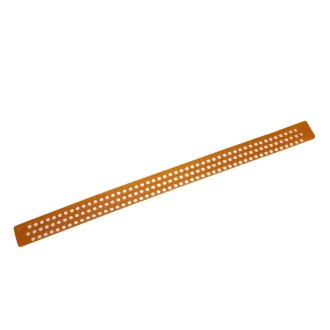
Economy pollen trap
 In stock
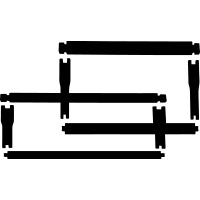
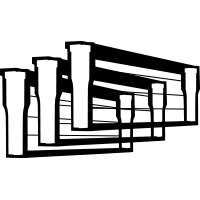
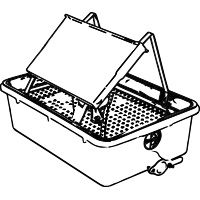
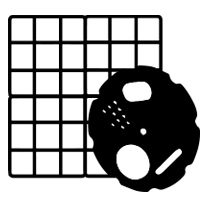
Economy plastic plate with holes for making home pollen trap.

Pollen Trap – Pollen Stripping Grid 397 × 30 × 1 mm
This practical pollen stripping grid for gentle pollen collection expands the possibilities of utilizing your colony's production. The pollen trap grid measuring 397 × 30 mm with a thickness of 1 mm is suitable for beekeepers who want to harvest pollen for personal use or for further processing and sale. The grid can be easily placed in the hive entrance. By joining several pieces together, it is also possible to create a pollen trap built directly into the bottom board of the hive.
How the Pollen Trap Works
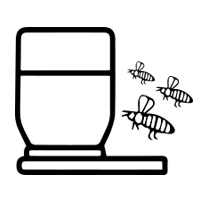
The grid is fitted with precisely shaped holes with a diameter of 4.8 mm. As bees pass through into the hive, part of the pollen pellets are gently dislodged from their hind legs. The collected pollen then falls through into a collection tray placed beneath the pollen trap, from which it can be regularly harvested, ideally every day.
When using a pollen trap, it is essential to respect the needs of the colony. Pollen is an important source of protein for bee nutrition and brood rearing, so it is recommended to keep the grid in place for no more than two to three consecutive days. Pollen collection should always be adjusted to the strength and current condition of the colony as well as the availability of the pollen flow.
Bee Pollen Pellets and Their Composition
Pollen grains are the male reproductive cells of plants. Bees collect them while visiting flowers, moisten them, and form them into characteristic pollen pellets on their hind legs. During a single foraging trip, a bee typically visits flowers of the same plant species, and may visit approximately 80 flowers to form a single pair of pollen pellets. The color of the pollen varies depending on its botanical origin.
Bee pollen naturally contains proteins, carbohydrates, fats, vitamins, minerals, and trace elements. Its composition may vary depending on the plant source, location, and collection period. As a general guide, it contains approximately 22% protein, 16% moisture, 15% sporopollenin, 11% sucrose, and 7% fat, as well as cellulose, fructose, and glucose. A colony may consume approximately 30 kg of pollen per year, which is essential particularly for brood rearing and the nutrition of young bees.
Technical Specifications
| Length | 397 mm |
| Height | 30 mm |
| Grid Thickness | 1 mm |
| Hole Diameter | 4.8 mm |
| Placement Options | In the hive entrance or in the bottom board |
| Recommended Duration of Use | No more than 2–3 consecutive days |