











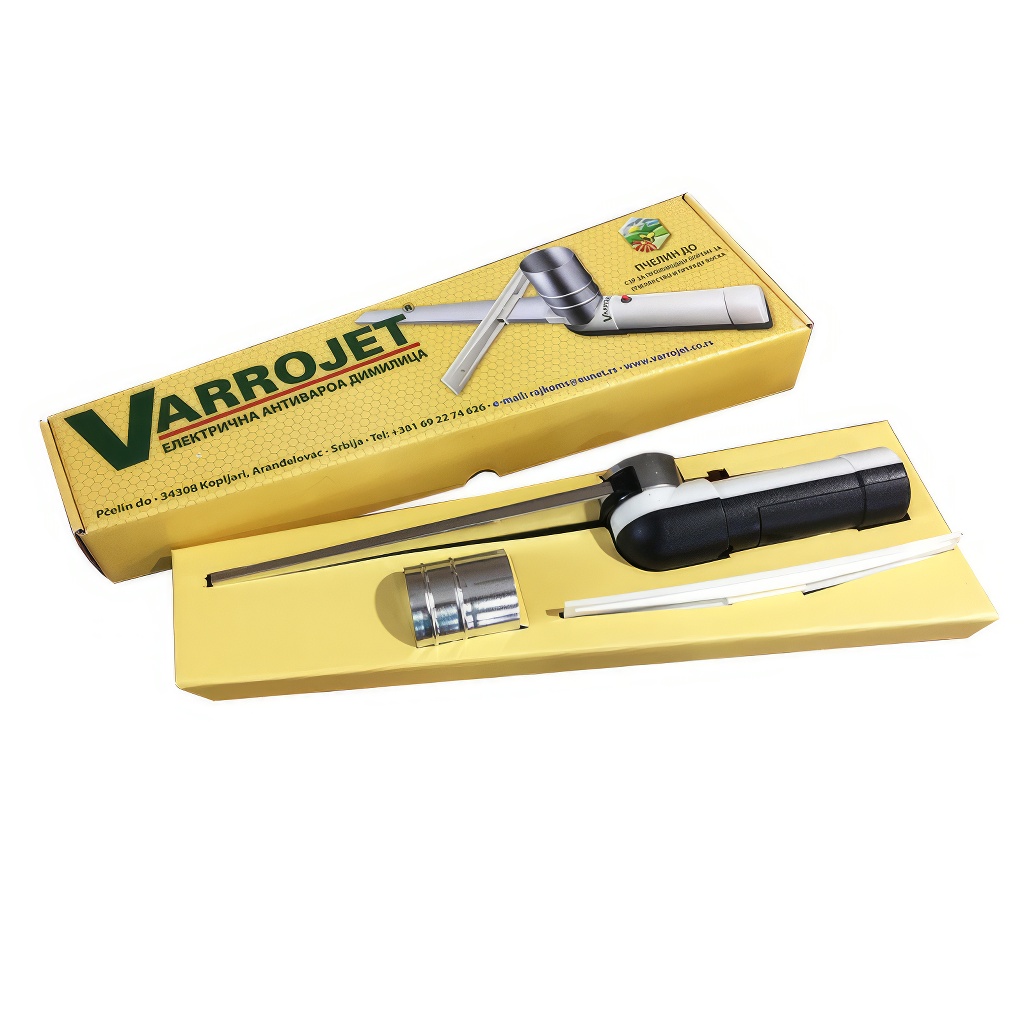
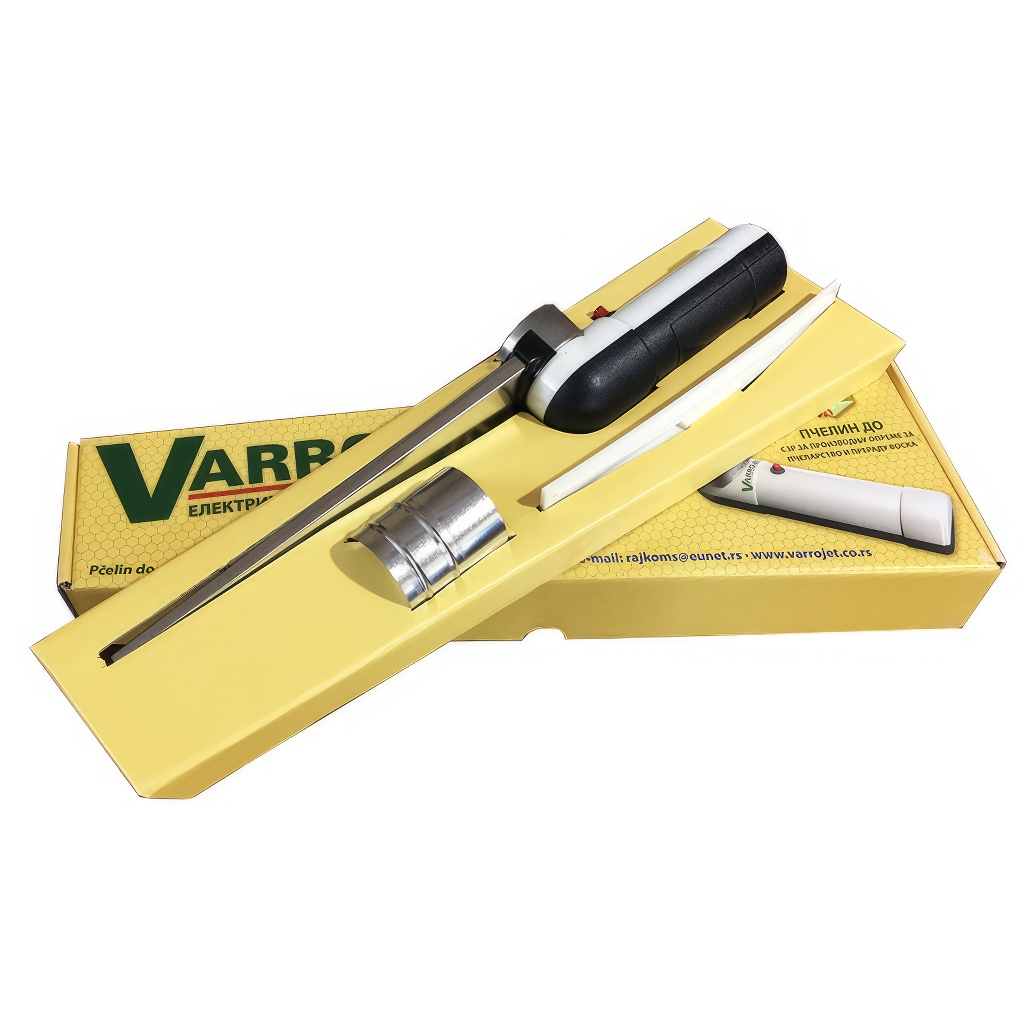
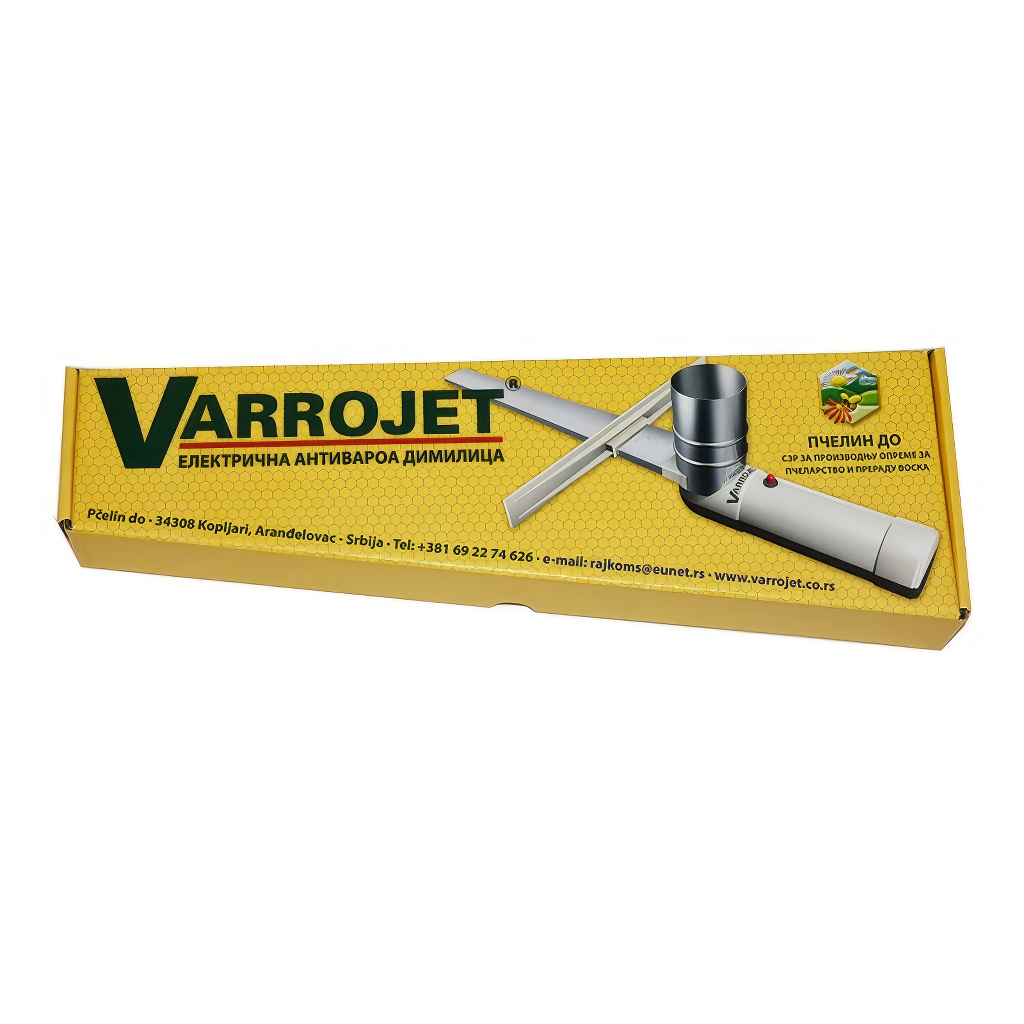
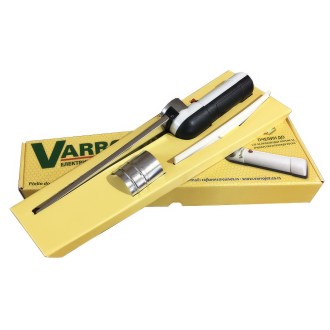
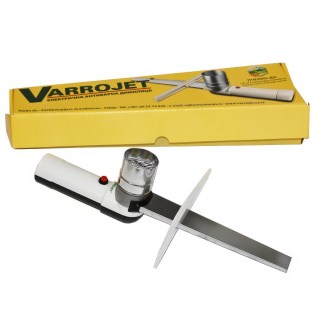
Electric Fumigator Varrojet
 In stock
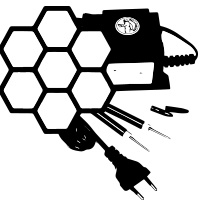
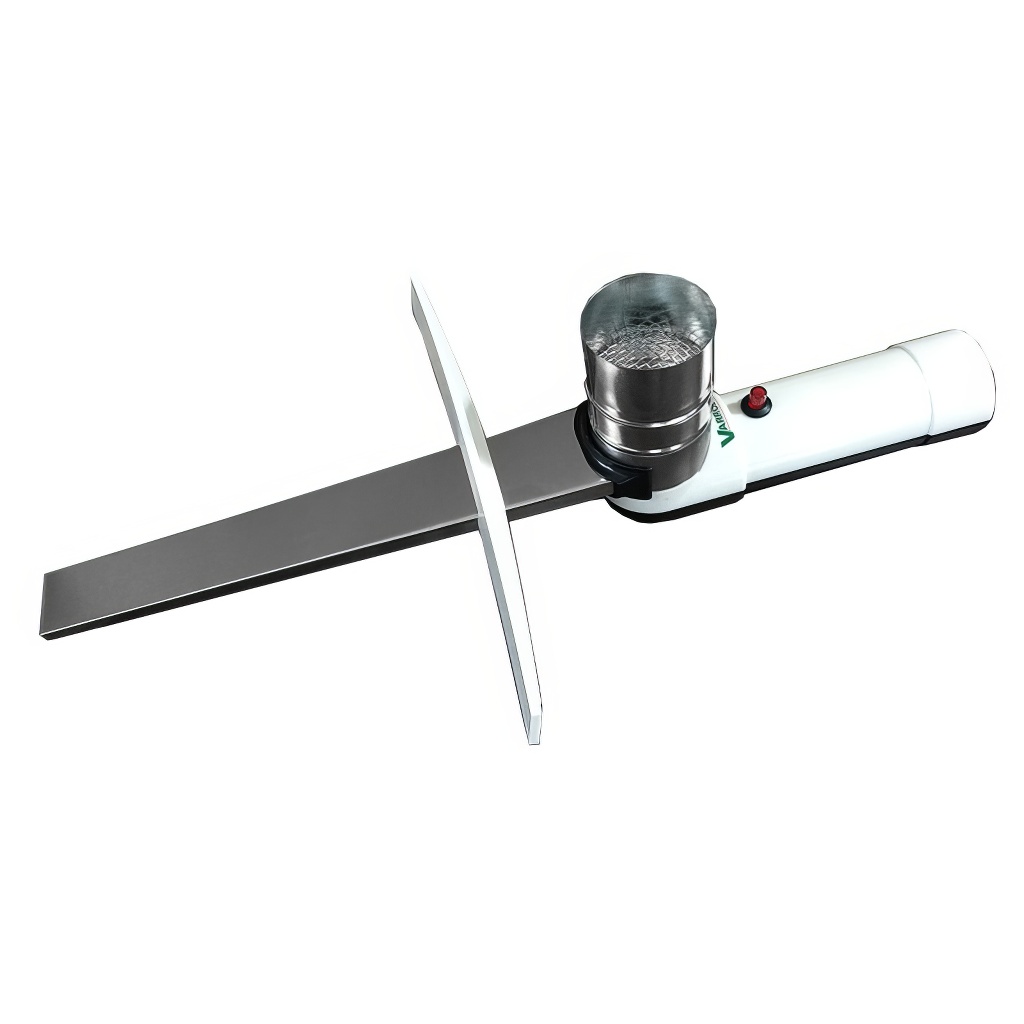
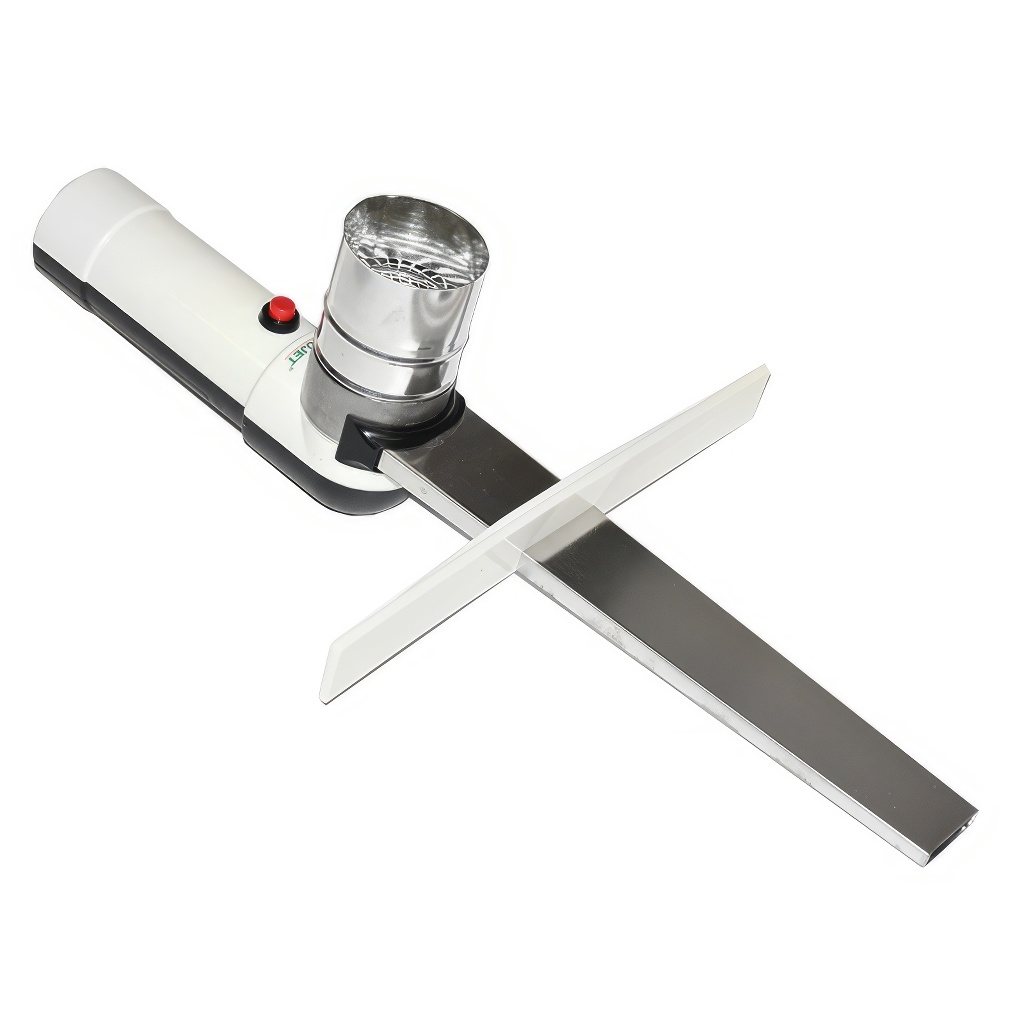
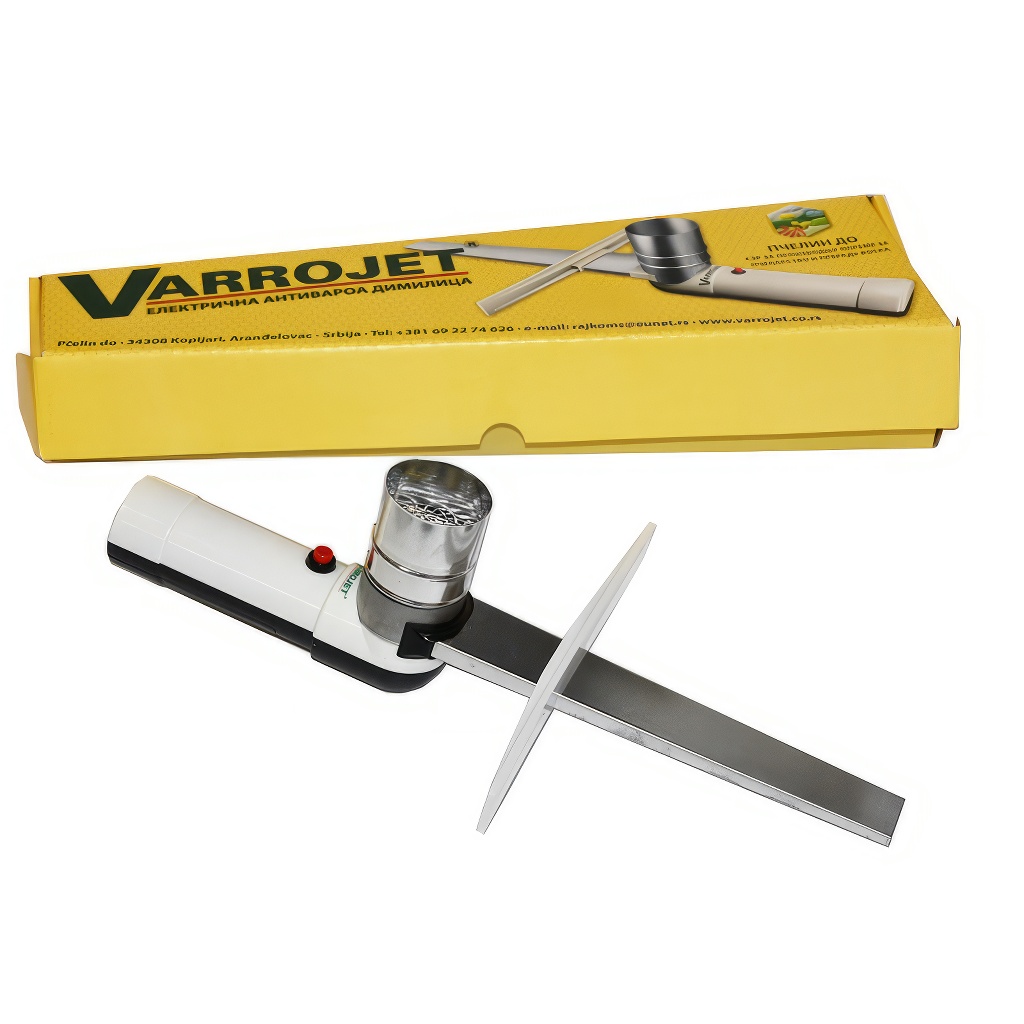
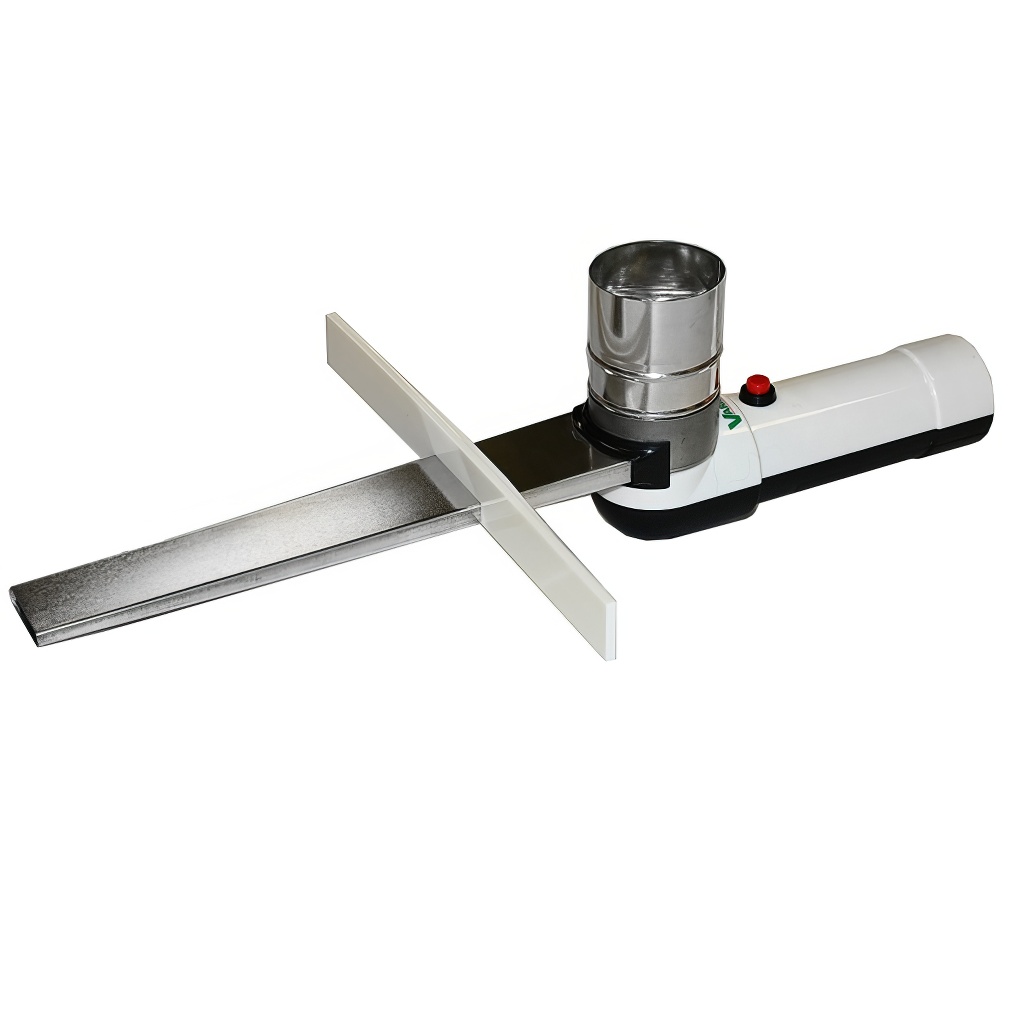
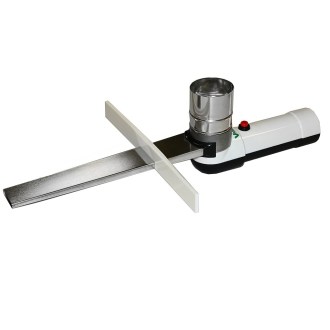
Smoke is introduced into the hive through the entrance. Using this tool has many advantages: it is easy to use and can be used for all types of hives. Metal parts ensure longer product life.

Electric Fumigator Varrojet for Rapid Treatment of Bee Colonies
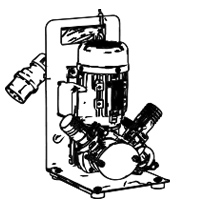
Want to effectively protect your bee colonies against varroosis while simplifying your work in the apiary? The Varrojet electric fumigator is a practical tool for modern beekeepers. It facilitates the application of medication through fumigation, for example when treating with Varidol. The integrated fan blows the medicated smoke directly into the hive, where it disperses quickly and evenly. This helps increase the effectiveness of treatment against the Varroa destructor mite and significantly saves time when treating multiple colonies.
Benefits for Beekeepers
Faster work in the apiary: Compared to the conventional manual lighting of fumigation strips and waiting for them to smolder, the Varrojet allows you to treat hives considerably faster. The forced airflow promotes both combustion and smoke distribution, so you spend a minimum of time at each colony.
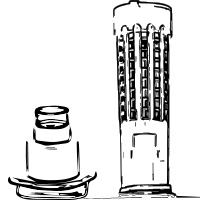
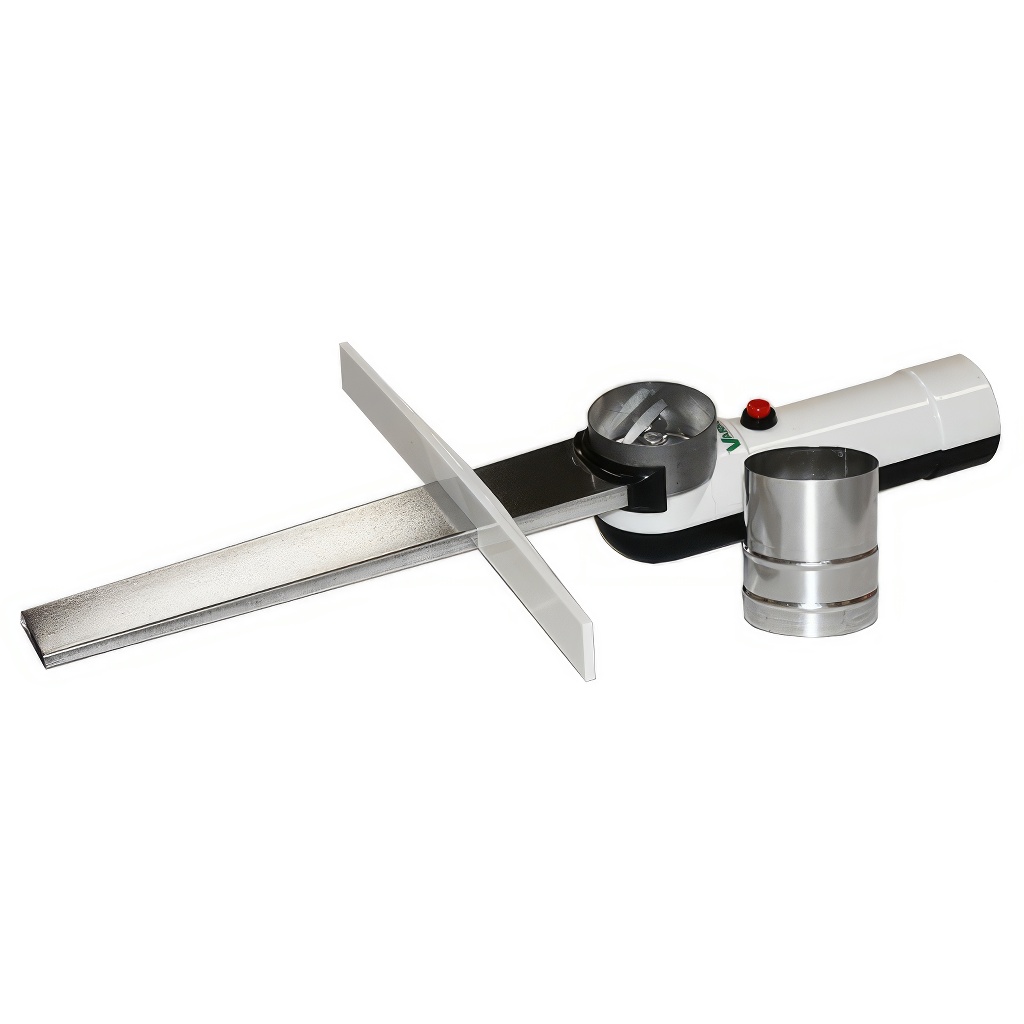
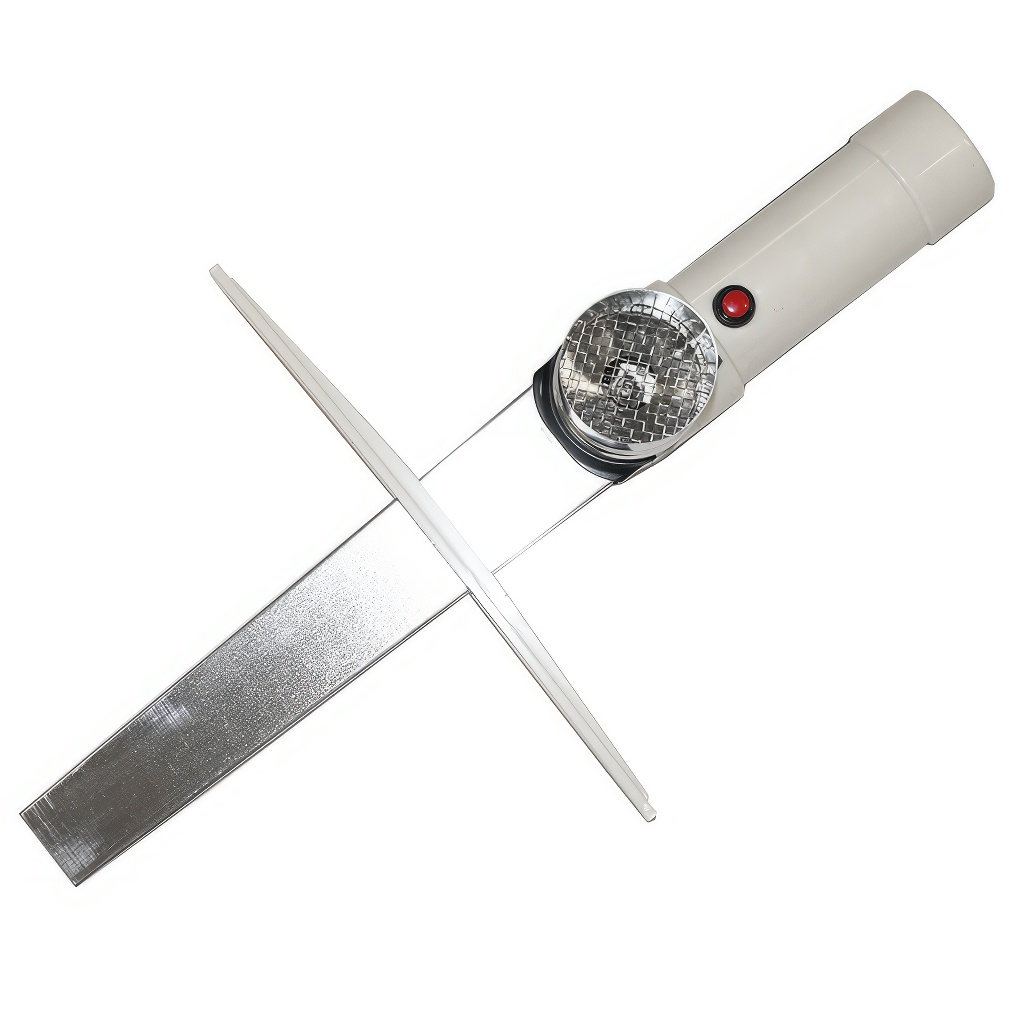
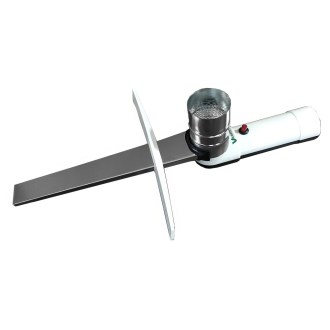
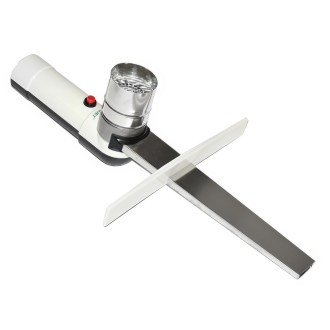
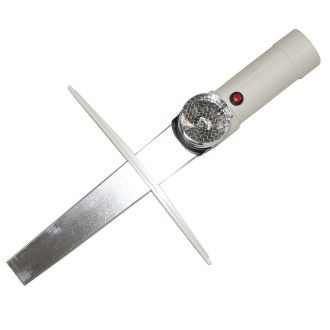
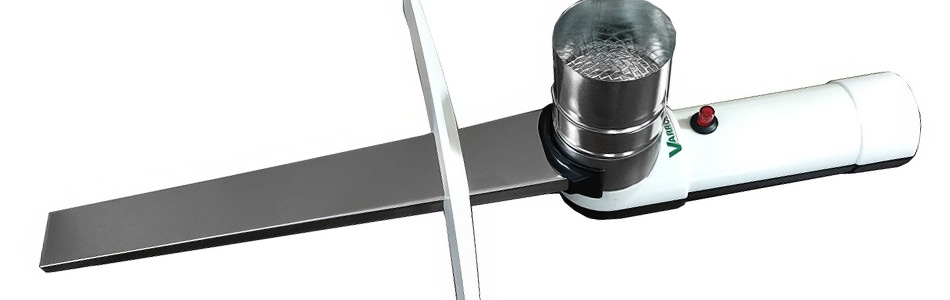
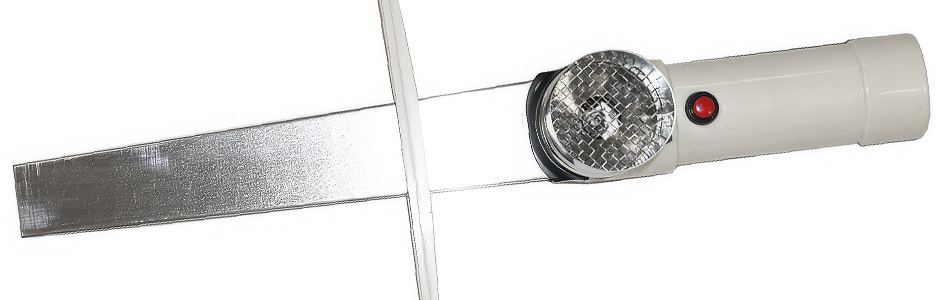
Safer fumigation process: The nozzle is equipped with a cross strip that helps seal the hive entrance during application. This limits the escape of bees from the hive and at the same time helps retain the smoke inside the hive space. An important advantage is also the reduced risk of fumes escaping toward the operator.
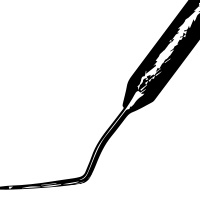
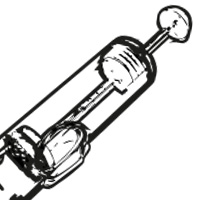
Durable design for long-term use: The Varrojet fumigator is designed with the demanding conditions of beekeeping practice in mind. The metal parts of the burner ensure good heat resistance, the sturdy handle facilitates handling, and the robust battery compartment cover latch contributes to reliable operation over multiple seasons.
Versatile use: The fumigator's design allows use with various types and configurations of hives. Treatment can be carried out on bee colonies at different developmental stages, always in accordance with the instructions for the medication used and current veterinary recommendations.
Recommended Fumigation Procedure
Fumigation is carried out after the last honey harvest, most commonly at the end of summer or the beginning of autumn, when the hive no longer contains honey intended for consumption. Treatment is usually repeated 2 to 5 times with an interval of 6 days between individual applications. Suitable conditions occur when the lowest daily temperature is approximately 12–14 °C. To protect the device from overheating, we recommend taking a short cooling break after treating every 6 colonies.
Easy to Use
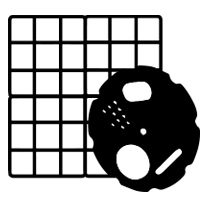
1. Place the fumigation strip or tablet on the protective metal screen of the device.
2. Light the strip using a lighter.
3. Once it begins to glow and release smoke, insert the fumigator nozzle into the hive up to the marked white strip and switch the device on.
4. After the strip has completely burned, turn off the fumigator, remove the ash from the screen, and you can proceed to the next hive.
Technical Specifications
| Power supply | 2× 1.5 V AA batteries (not included) |
| Active parts material | Metal construction for higher heat resistance and longer service life |
| Body construction | Sturdy handle and durable battery compartment cover latch |
| Operation indicator | Integrated indicator light signaling that the device is switched on |
| Safety feature | Cross strip on the nozzle to limit fume escape toward the operator and bee escape from the hive |
| Compatibility | Suitable for various hive types and colony developmental stages |