










Evaporator for volatile substances - original Nassenheider R
 In stock
The evaporation system of formic acid - Nassenheider has become very late
used and promising in reducing bee varroasis. The evaporators are
simple formic acid applicators.

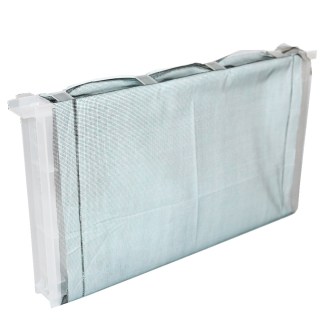
Evaporator for Volatile Substances - Original Nassenheider R
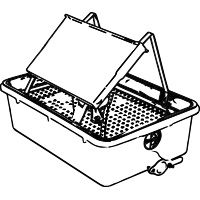
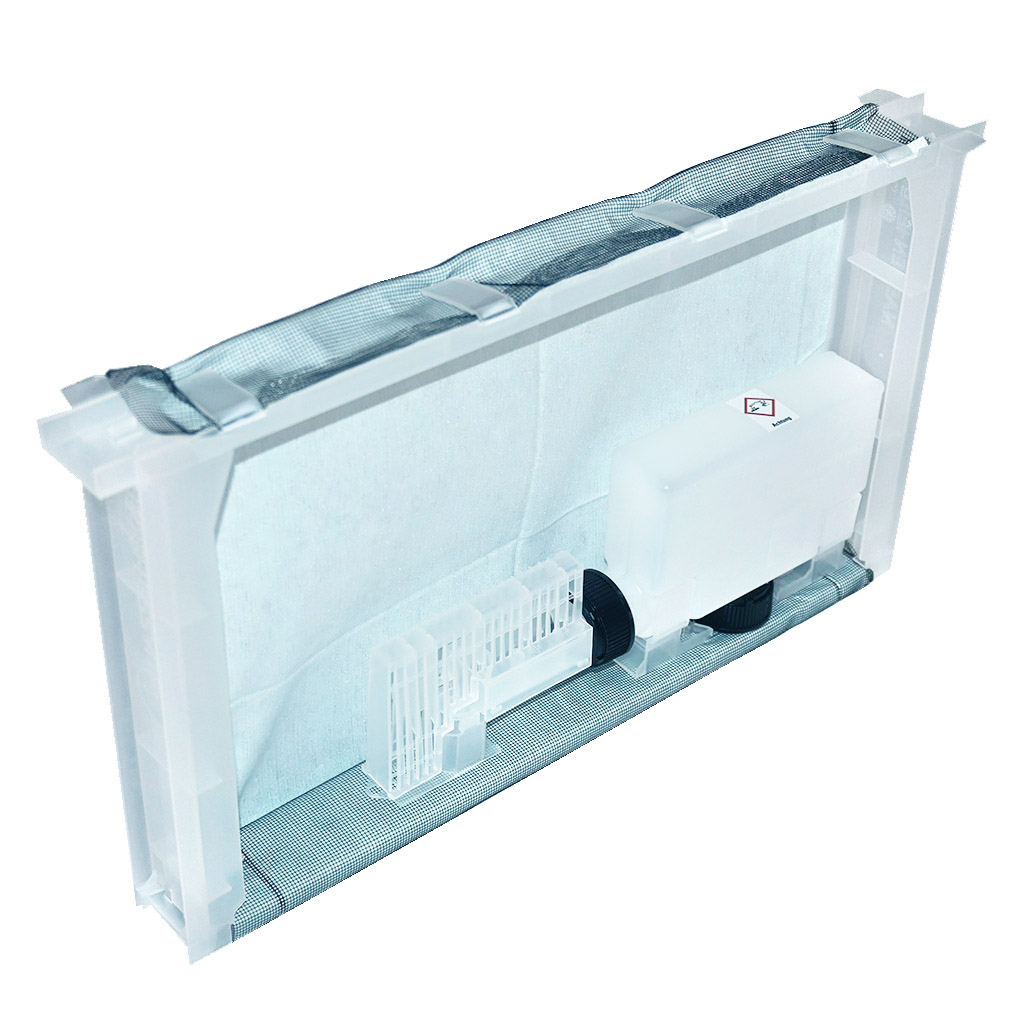
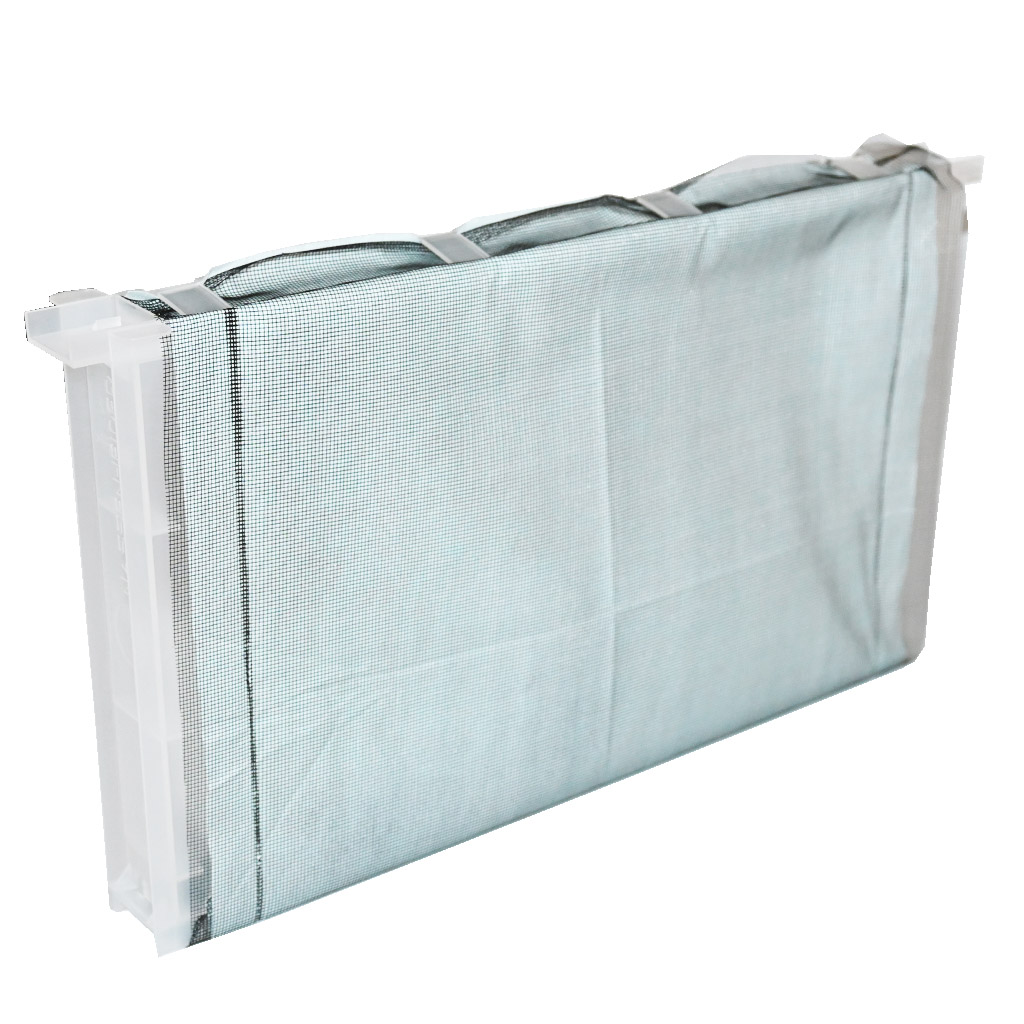
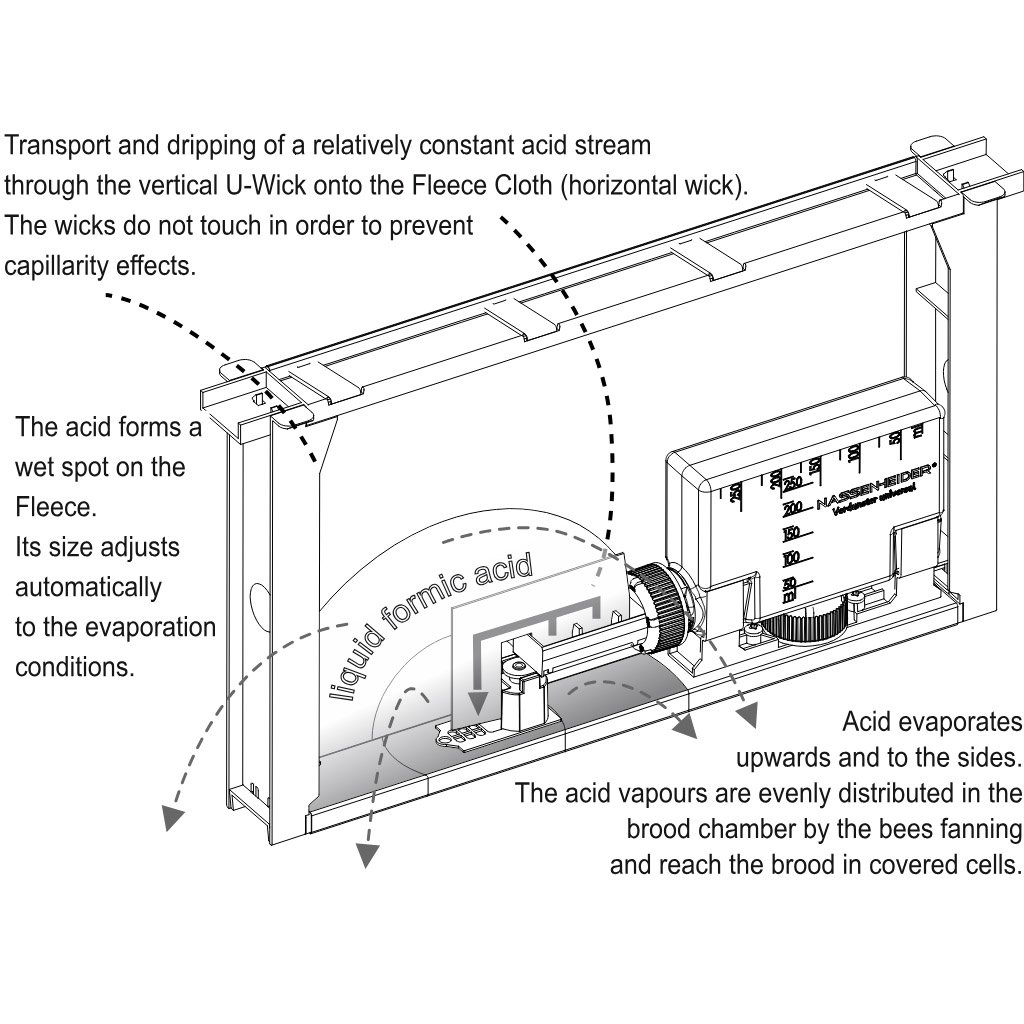
The Nassenheider "UNIVERSAL R" evaporator represents a modern and proven tool that, thanks to its innovative formic acid evaporation system, is used in Germany to control Varroa destructor mite populations.
Effective and Uniform Evaporation
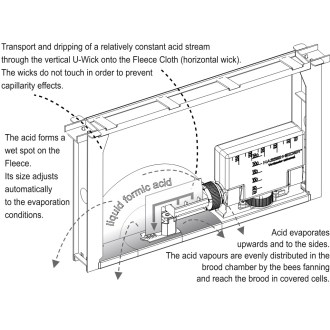
The unique evaporation technology allows for an almost constant and controlled volume of evaporation throughout the application period, which lasts at least 10-14 days. During this time, there is a continuous effect, which significantly reduces the possibility of damage to the queen bee and ensures the safety of the colony.
Safety and Protection of the Queen Bee
Thanks to the gradual start of evaporation and uniform dosing of acid, the operation of the Nassenheider universal evaporator is gentle on bees and their queen, who is not endangered by unexpected changes in the concentration of the active substance.
Universal Use in Various Hives
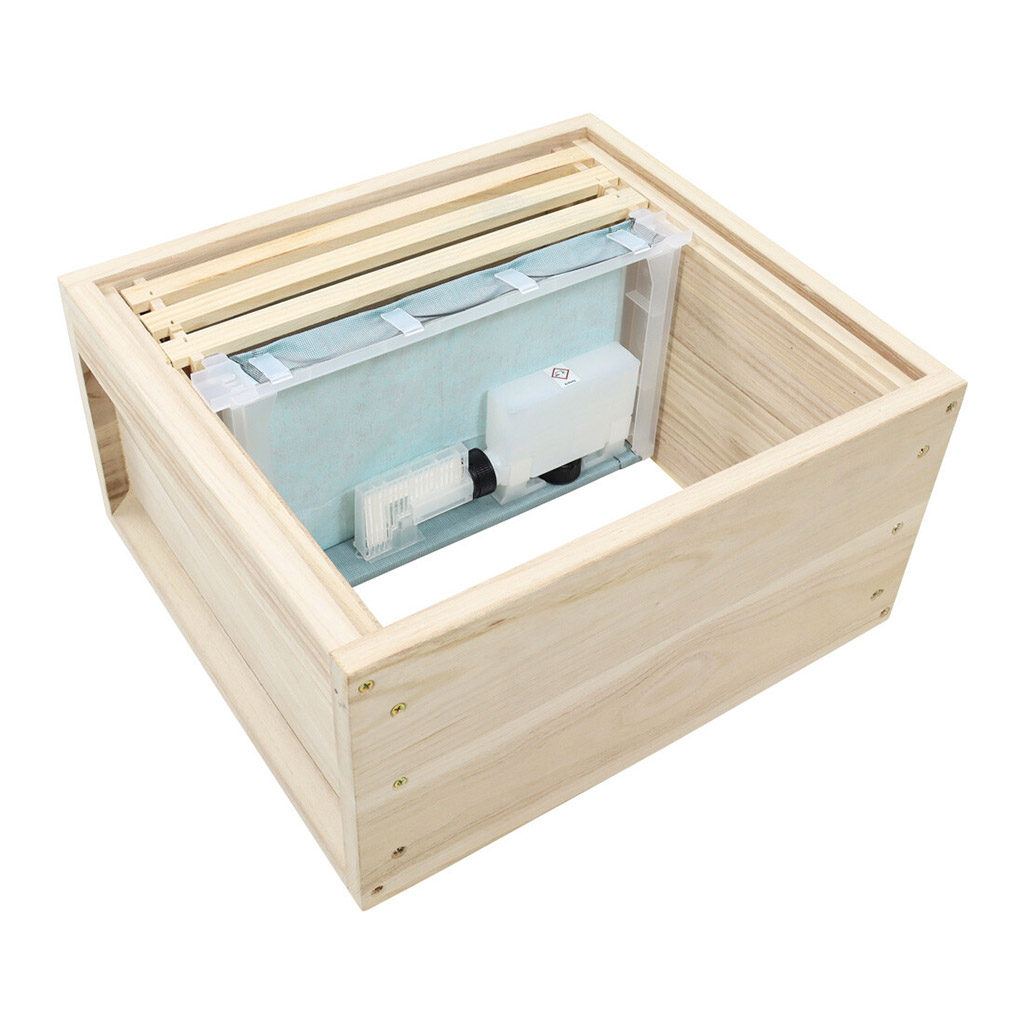
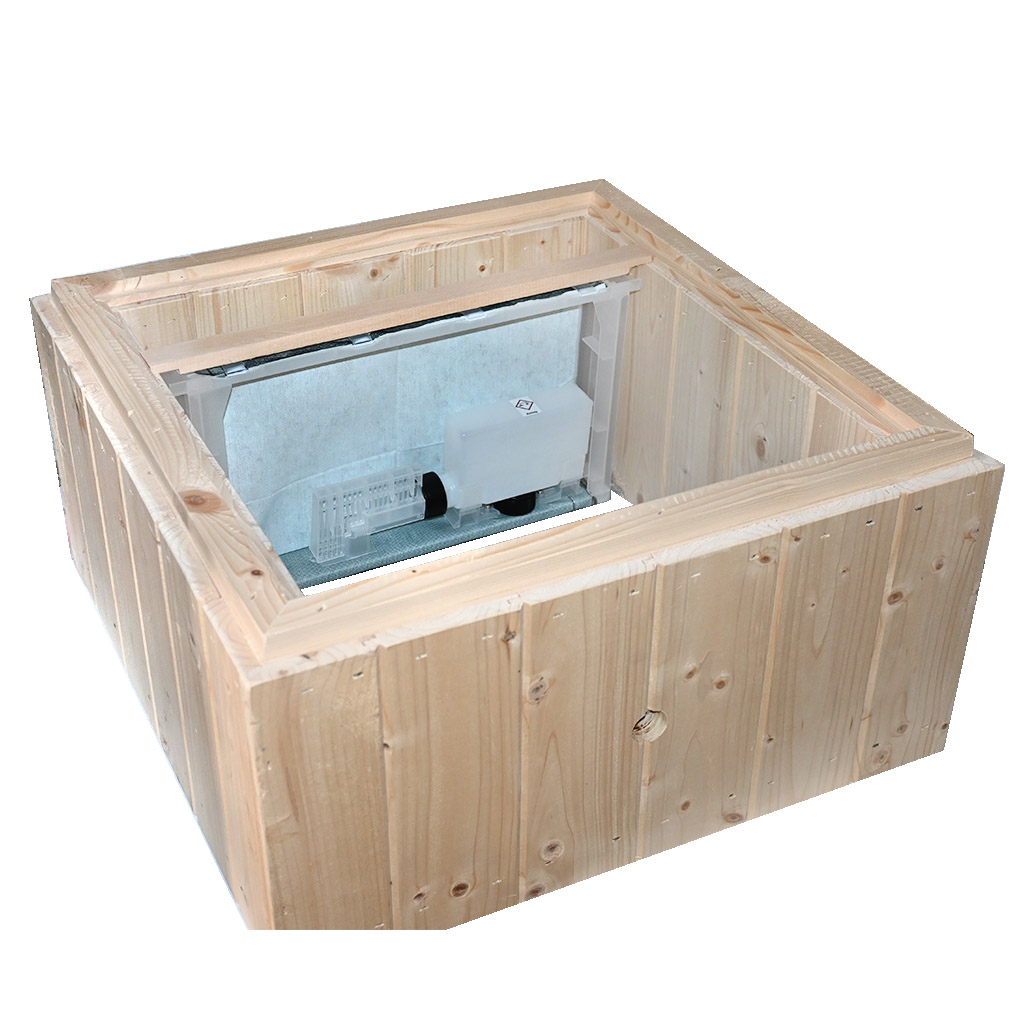
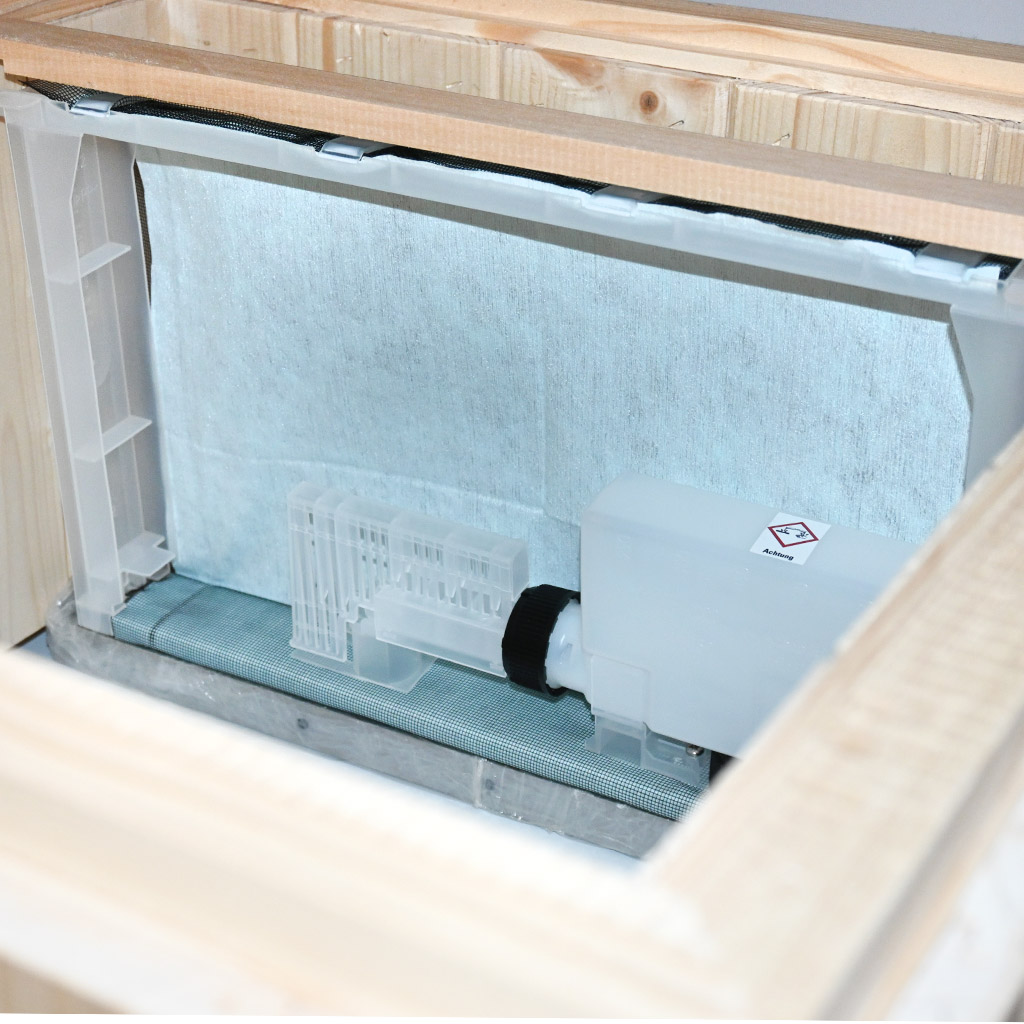
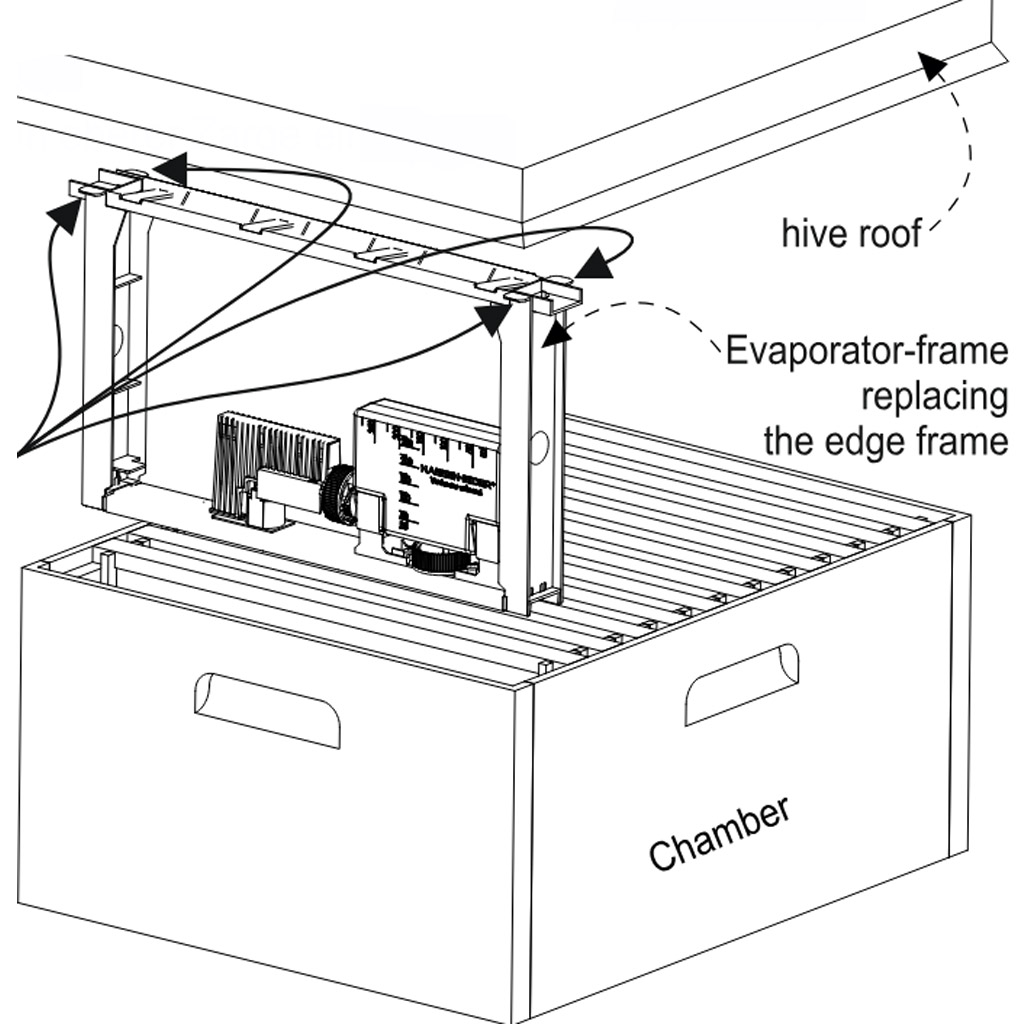
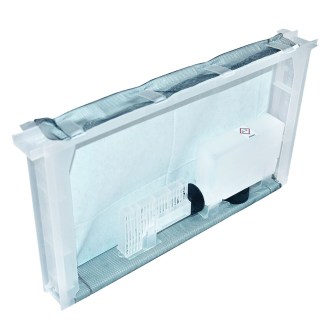
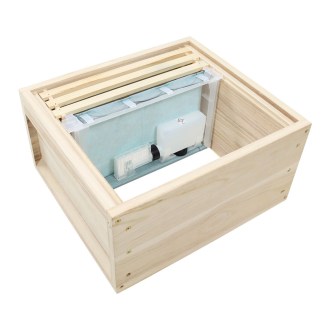
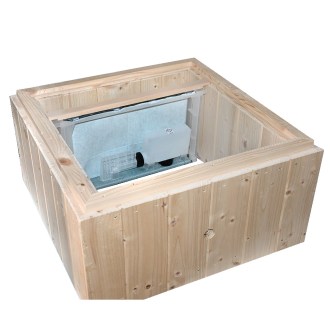
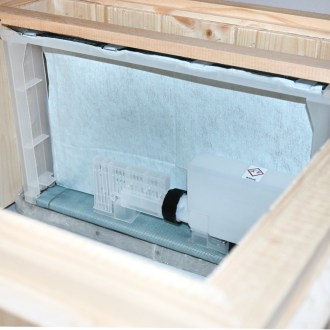
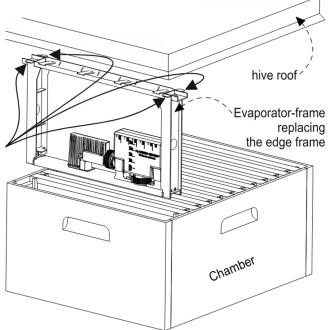
The evaporator is compatible with most common frame systems used in Europe, including Deutsch Normal, Zander, or Dadant type hives. Special side brackets allow for secure hanging in various types of hives, even in spacious supers where standard frames may not fit exactly against the hive wall.
-
External frame dimensions:
-
Width: 370 mm
-
Height: 220 mm
-
Depth: 40 mm (with brackets 58 mm)
Easy Handling and Practical Assembly
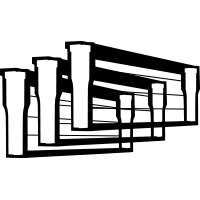
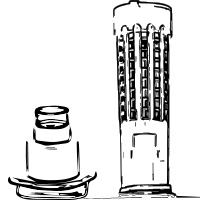
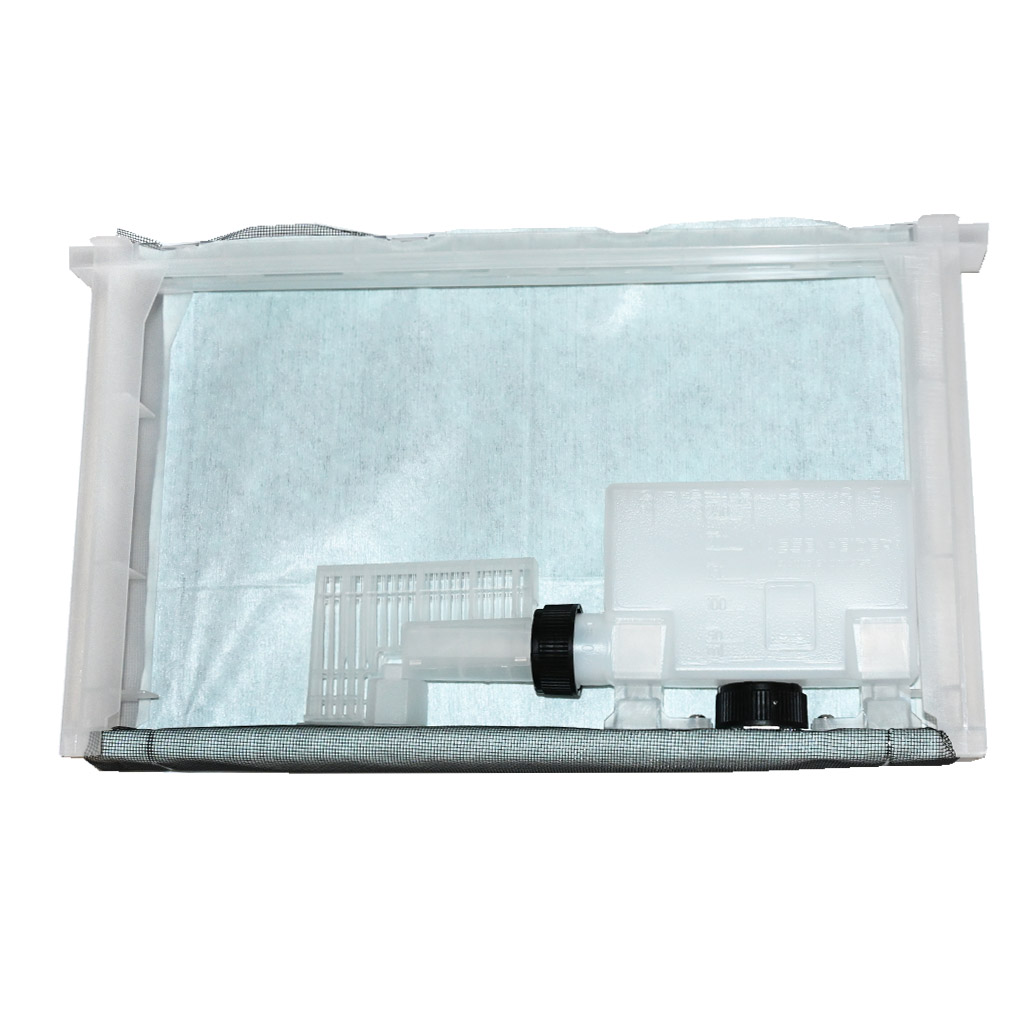
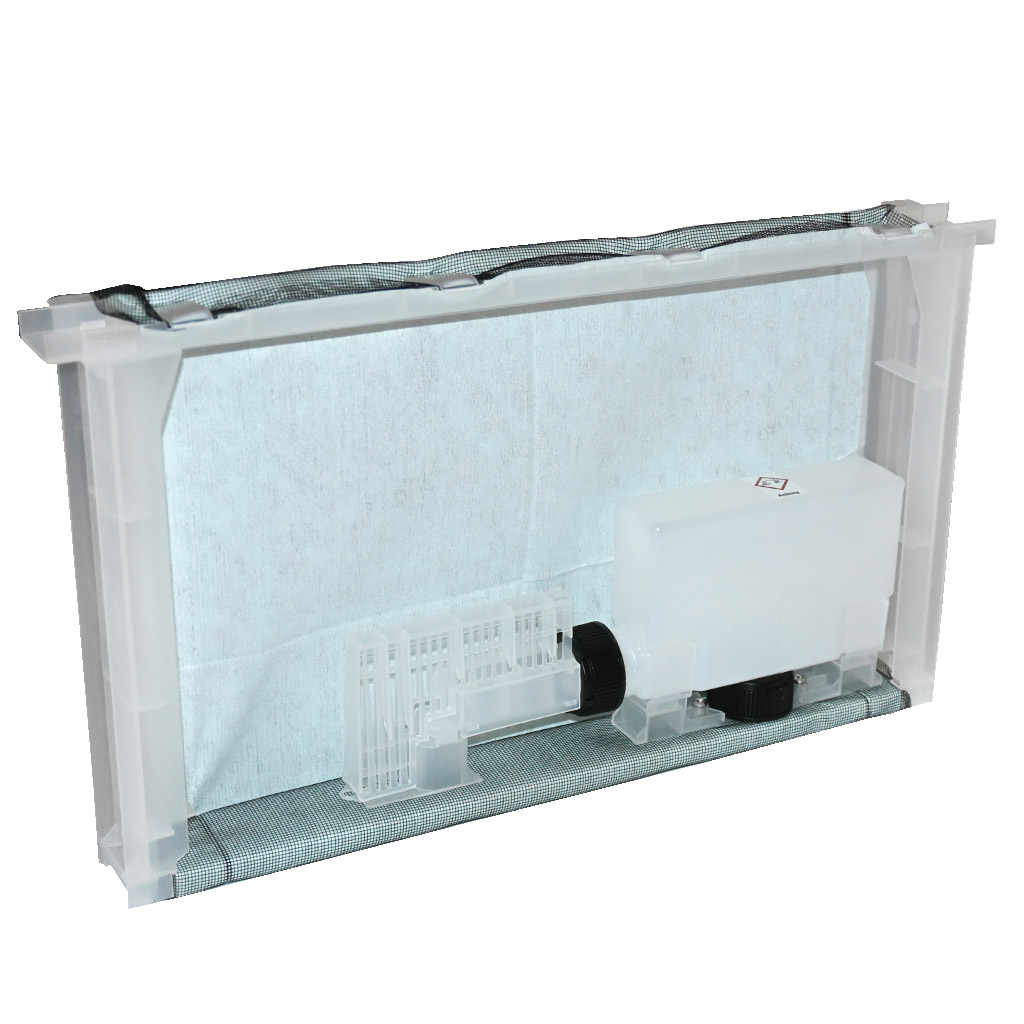
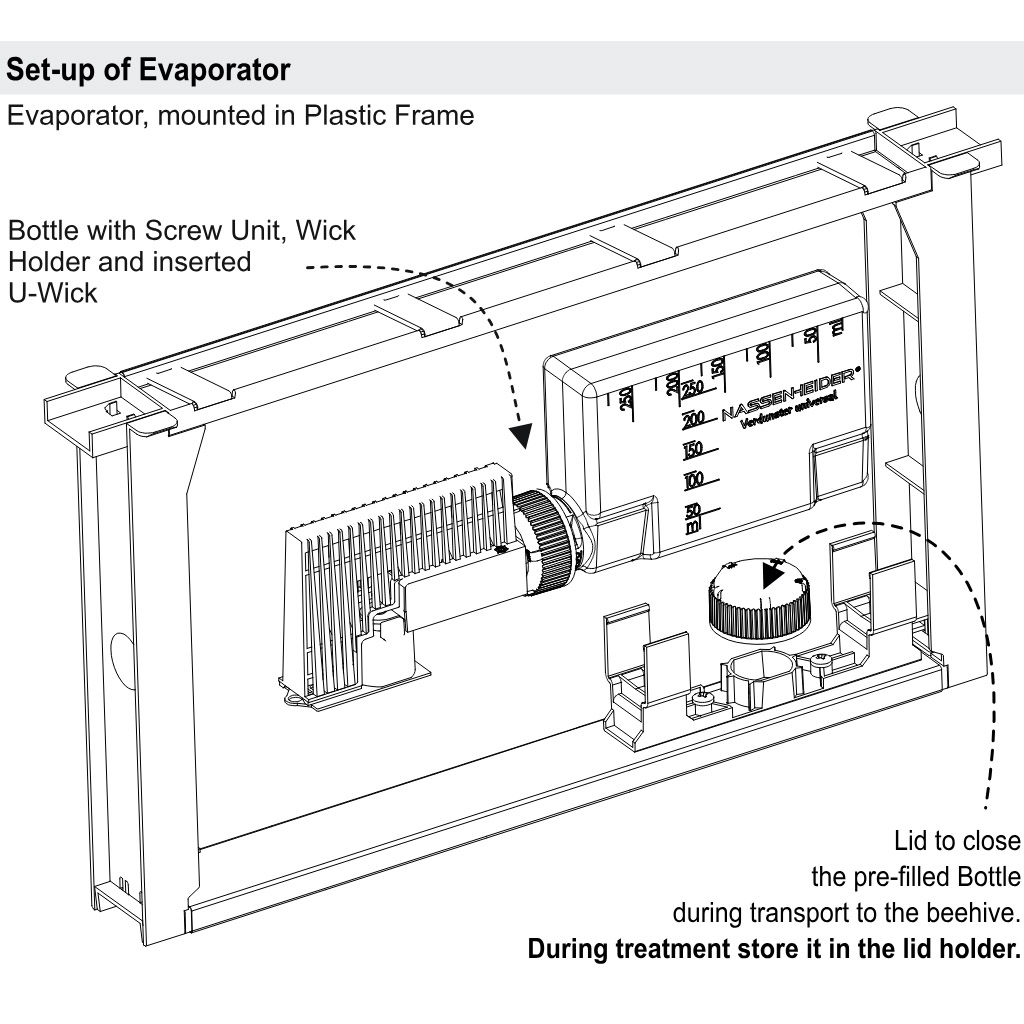
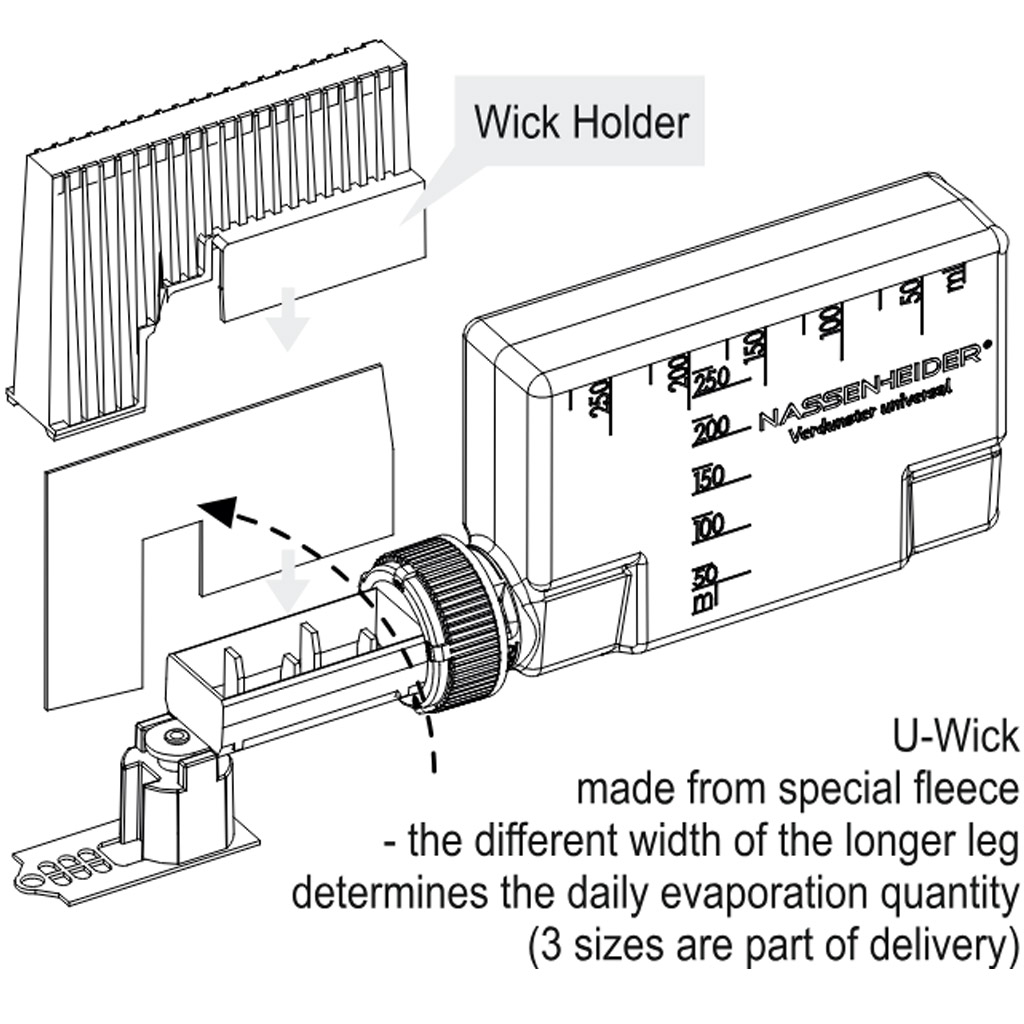
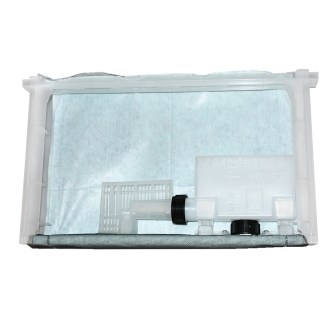
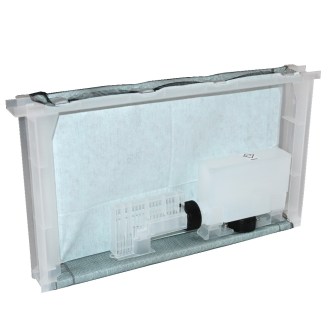
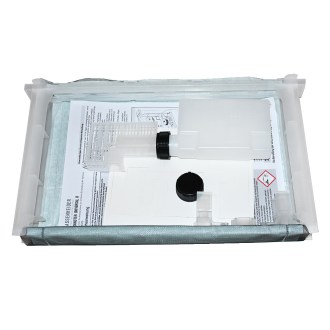
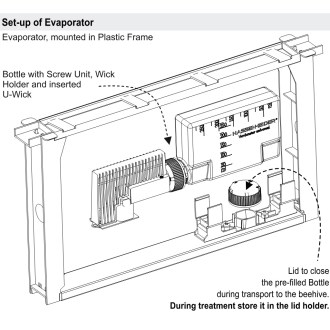
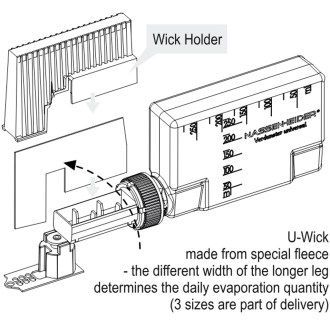
The evaporator container consists of a sealable bottle with a scale for simple and safe filling. The bottle holds 300 ml, which ensures enough liquid even for large bee colonies without the need for frequent refilling. The entire unit is easily installed using two screws into the frame, and the device itself can be conveniently hung on the side wall of the hive.
Practical Advice for Use in Germany
In Germany, acid application takes place during two main time periods of the year. The first phase occurs after the last honey extraction at the turn of July and August, when an evaporator with 60% acid is inserted into the colony for at least 10 days. Depending on climatic conditions and the location of the apiary, a second application may follow in September, also for at least 10 days, when 85% acid can be used to compensate for lower temperatures.
If a higher daily mite drop is observed in the colony even in October, it is advisable to repeat the process. After each stage, it is appropriate to remove the frame with the evaporator from the hive - empty or active evaporators can be "attacked" by bees, for example, propolized, or bees may start to nibble on the wick or absorbent paper. For this reason, it is recommended to equip the device with common mesh, which prevents bees from accessing the wicks and other parts.
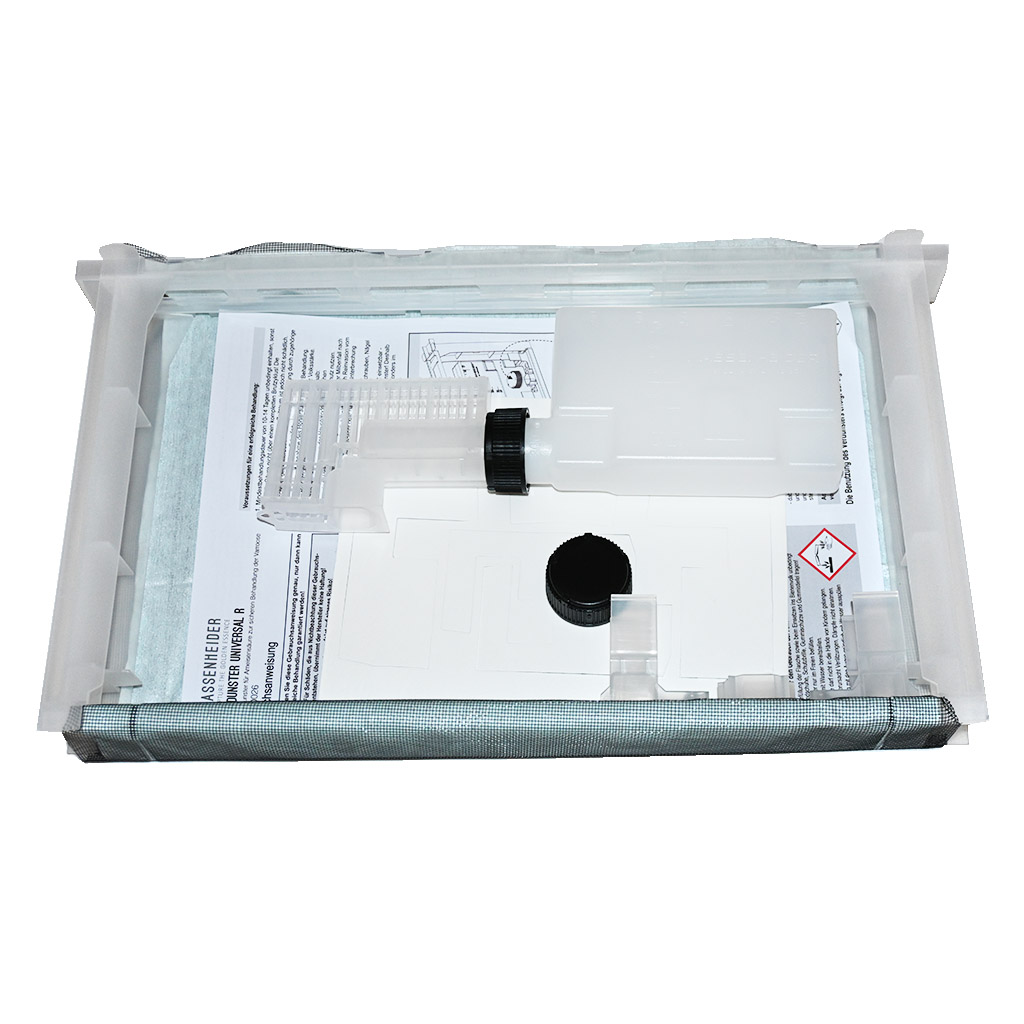
Package Contains
-
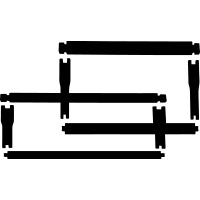
Plastic frame
-
Three U-shaped paper wicks
-
Two absorbent paper inserts
-
Instructions for use
Advantages of the Nassenheider "UNIVERSAL R" Evaporator
-
Among the most effective evaporators on the market
-
Suitable for various types of hives and frames
-
Safe use thanks to the sealable container
-
Simple handling and assembly
-
Long-term, uniform effect
Rely on the proven and widely used Nassenheider "UNIVERSAL R" evaporator in Germany. The ideal choice for every beekeeper looking for reliability, simplicity, and precise dosing.
;
Instructions for using the Nassenheider formic acid evaporator