






Grafting tools
Queen grafting is an essential process that allows beekeepers to select and raise future queens with the highest level of precision and care. In our selection, you will find a wide range of grafting tools — from standard plastic spoons to professional metal models designed to meet the needs of even the most demanding beekeepers. These tools enable you to safely and efficiently transfer larvae into prepared queen cell cups. For improved visibility and accuracy, you can take advantage of our illuminated head magnifiers, which are invaluable when working with bee larvae. We focus on quality and comfort to help every beekeeper achieve outstanding results in queen rearing.

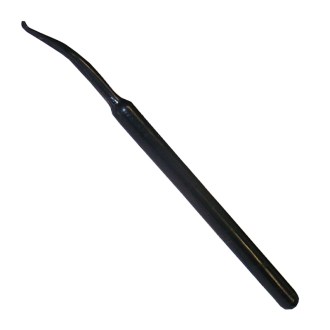
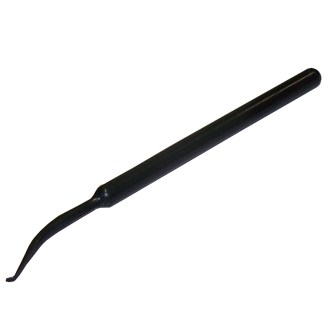
Black plastic grafting tool for queen larvae
The grafting tool is suitable for engraving future queens, either in bowls or queen cells. Its simple design made of black plastic will appeal to you. Fading is a common way for a beekeeper to feed the future queen from our chosen larvae.
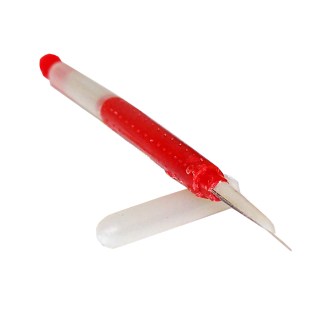
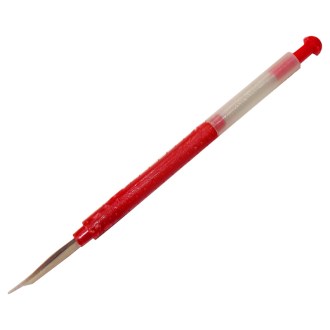
Grafting tool for queen larvae with the tongue
Plastic grafting tool to tweak future queen to queen cell etc. Practical and simple grafting tool. Simple design made of red and white plastic. Decoction is the most common way for a beekeeper to feed the future mothers from our chosen larvae.
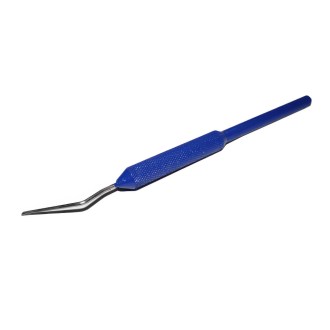

Professional stainless steel grafting tool for queen larvae - blue
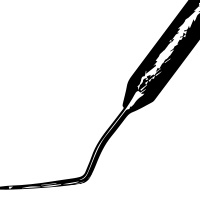
Stainless steel grafting tool for queen larvae, for the coloring of future queen to queen cell, Metal grafting tool with stainless steel needle.
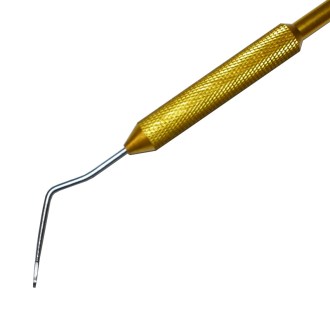
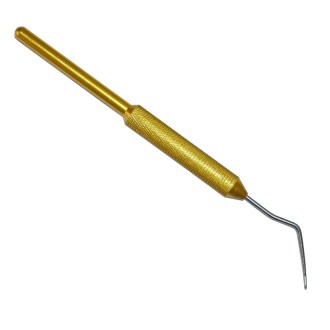
Professional stainless steel grafting tool for queen larvae - yellow
Stainless steel grafting tool for queen larvae, for the coloring of future queen to queen cell, Metal grafting tool with stainless steel needle.


Stainless steel grafting tool for queen larvae - left
Stainless steel grafting tool for queen larvae, for the coloring of future queen to queen cell, Metal grafting tool with stainless steel needle.
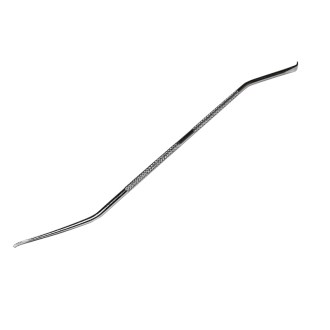
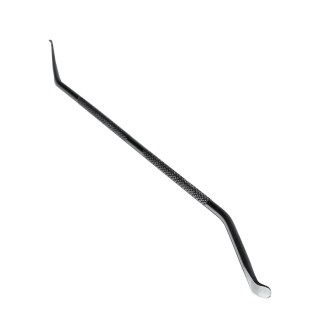
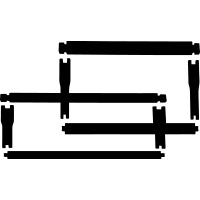
Doubles wide stainless steel grafting tool DE
Beekeeping grafting tool is suitable for engraving future mothers, either in bowls or mothers. The high-quality stainless steel finish will surely make you look good. Decoction is a common way for a beekeeper to feed a future queen from a larvae of our choice.
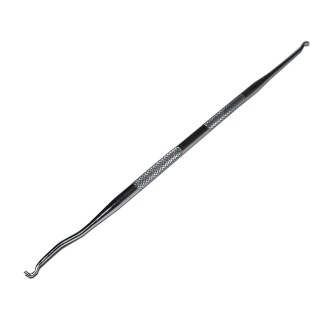

Doubles stainless steel grafting tool DE
Beekeeping grafting tool is suitable for engraving future mothers, either in bowls or mothers. The high-quality stainless steel finish will surely make you look good. Decoction is a common way for a beekeeper to feed a future queen from a larvae of our choice.
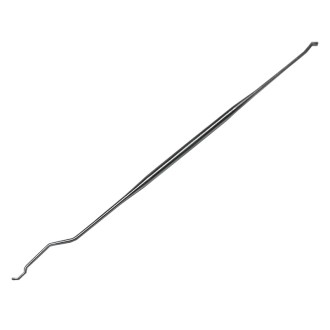
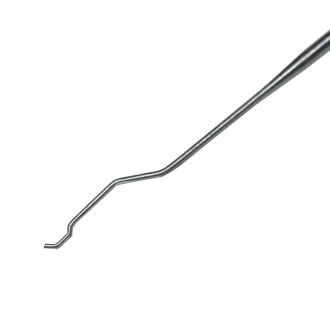
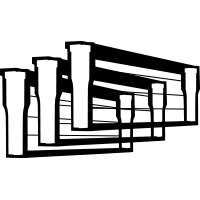
Doubles stainless steel grafting tool DE II
Beekeeping grafting tool is suitable for engraving future mothers, either in bowls or mothers. The high-quality stainless steel finish will surely make you look good. Decoction is a common way for a beekeeper to feed a future queen from a larvae of our choice.
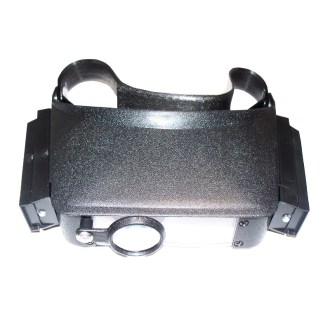

Lighted magnifying glass headset LED headband
Solid flat stony twin. Folding double-cone twin. Lighting - 2 bulbs, power 2 x 2 AA batteries AA / UM 3-1,5V, which are not part of the magnifying glass.


Lighted magnifying glass headset LED headband - Velleman®
Solid double stance double-breasted dog with magnification 2x to 4x. Lighting - 2 bulbs, power 2 x 2 AA / UM type AA batteries 3-1.5V, batteries are part of the magnifying glass. The front binocular magnifier is attached with help adjustable headband with Velcro fastener.


Illuminated desk magnifier
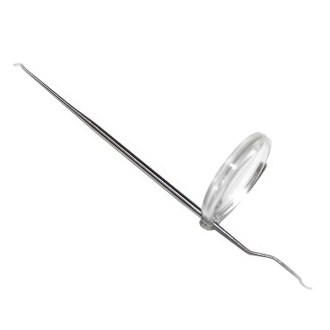

Stainless steel grafting tool with a magnifying glass
Stainless steel grafting tool with two differently thick ends. The magnifying glass can be placed either on one or to the other end. A very practical tool we are sure to recommend.
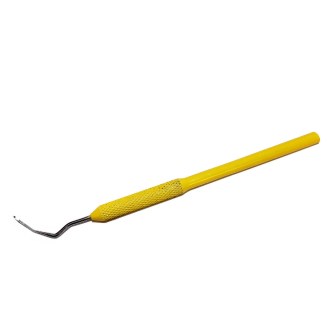

Stainless steel grafting tool for queen larvae - right
Stainless steel grafting tool for queen larvae, for the coloring of future queen to queen cell, Metal grafting tool with stainless steel needle.
Prepare the queen cell cups:
Add a small drop of diluted royal jelly into each cup. Avoid using too much, as it might spill or be difficult to hold when inverted.
Select and transfer the larva:
Focus on cells near the eggs — the best larvae for grafting are the smallest, about one day old.
Using the grafting spoon, carefully slide under the larva. It’s easiest from the convex side of the cell, though with a steady hand you can also manage from the concave side or the larva’s end.
Place the larva into the cell cup:
Transfer the larva into the prepared queen cell cup and gently place it on top of the royal jelly by dipping the spoon’s tip into the liquid.
Check the transfer:
If you are unsure whether the larva has been damaged, wipe the spoon clean and try again. Don’t worry about mistakes — practice makes perfect!