








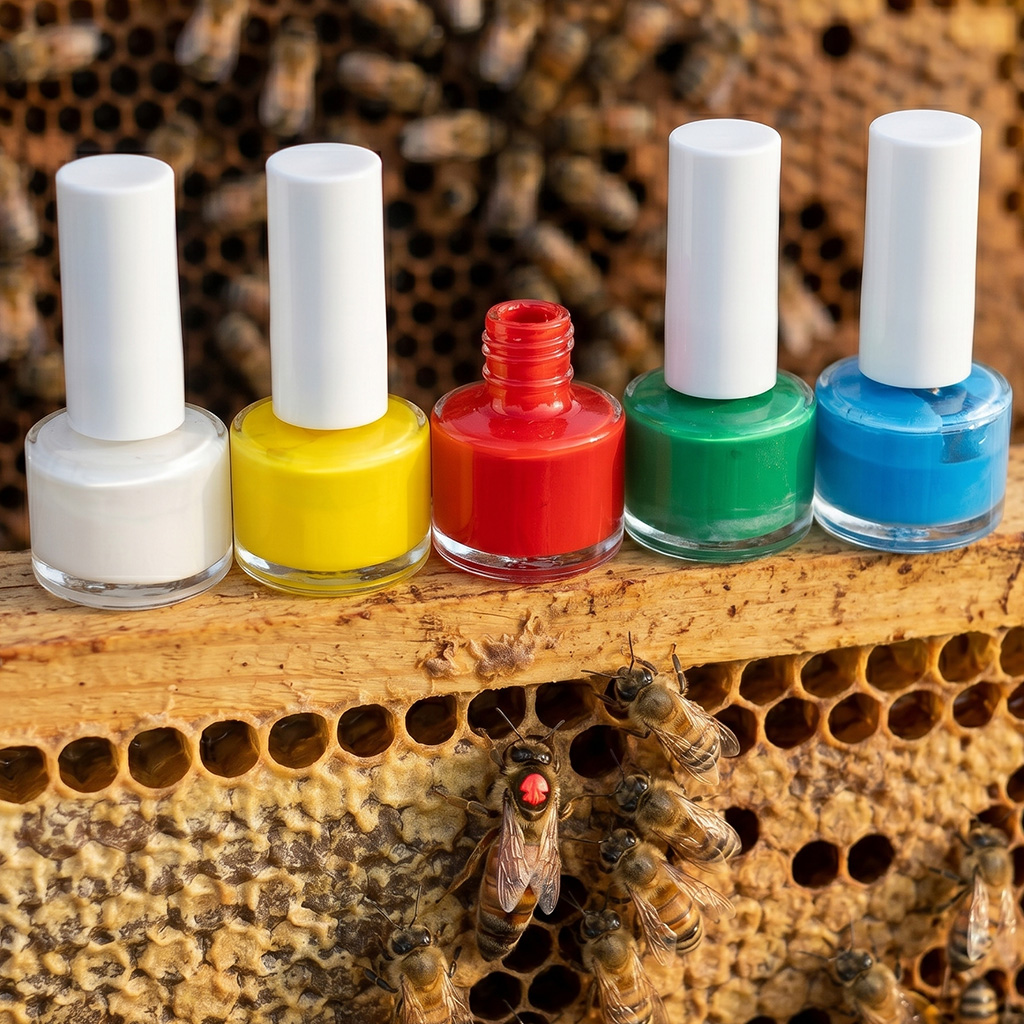
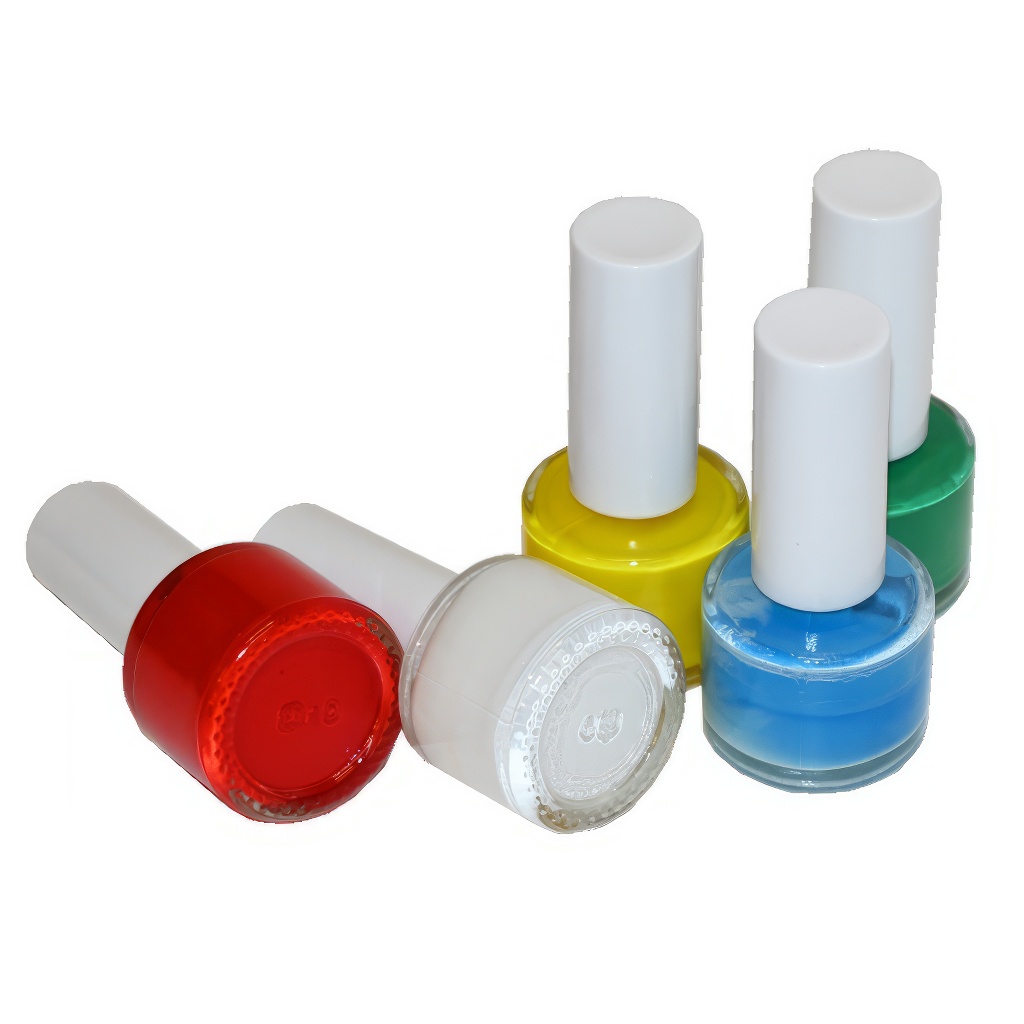
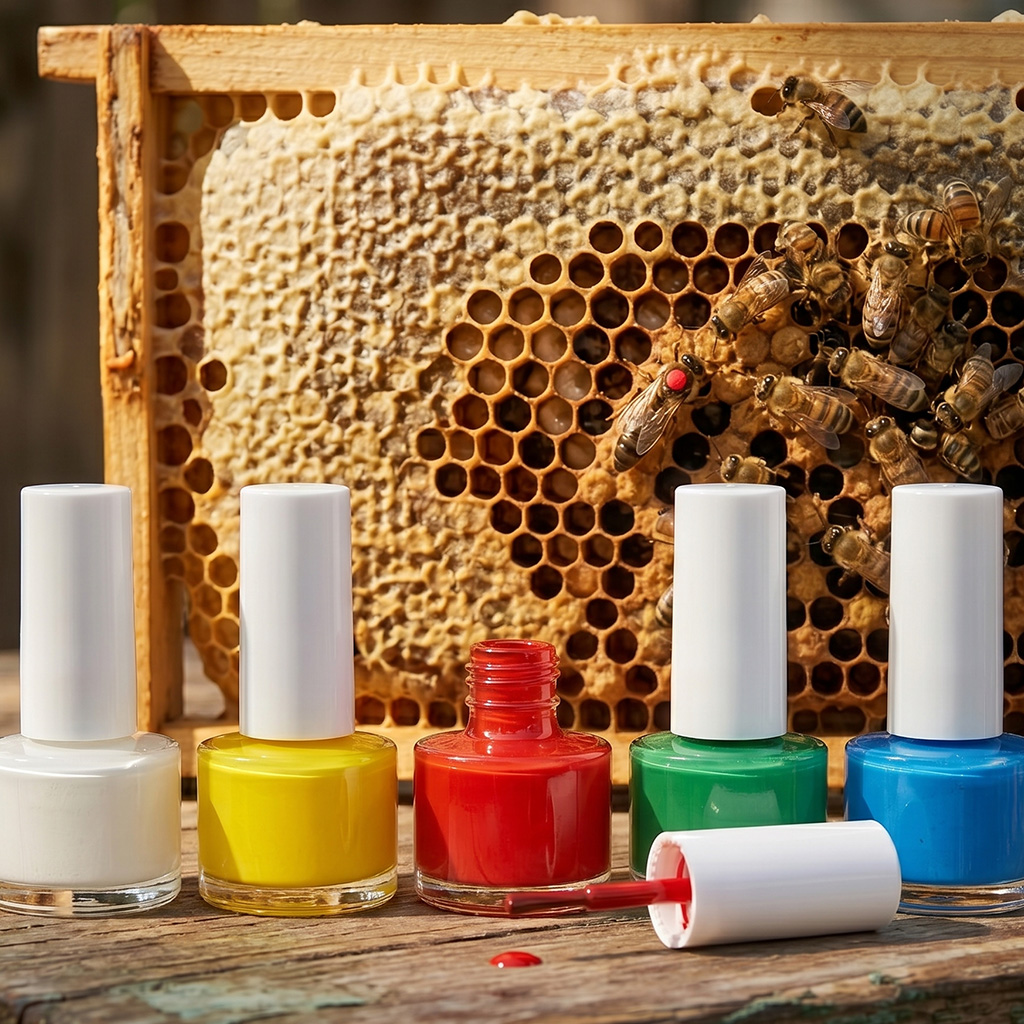
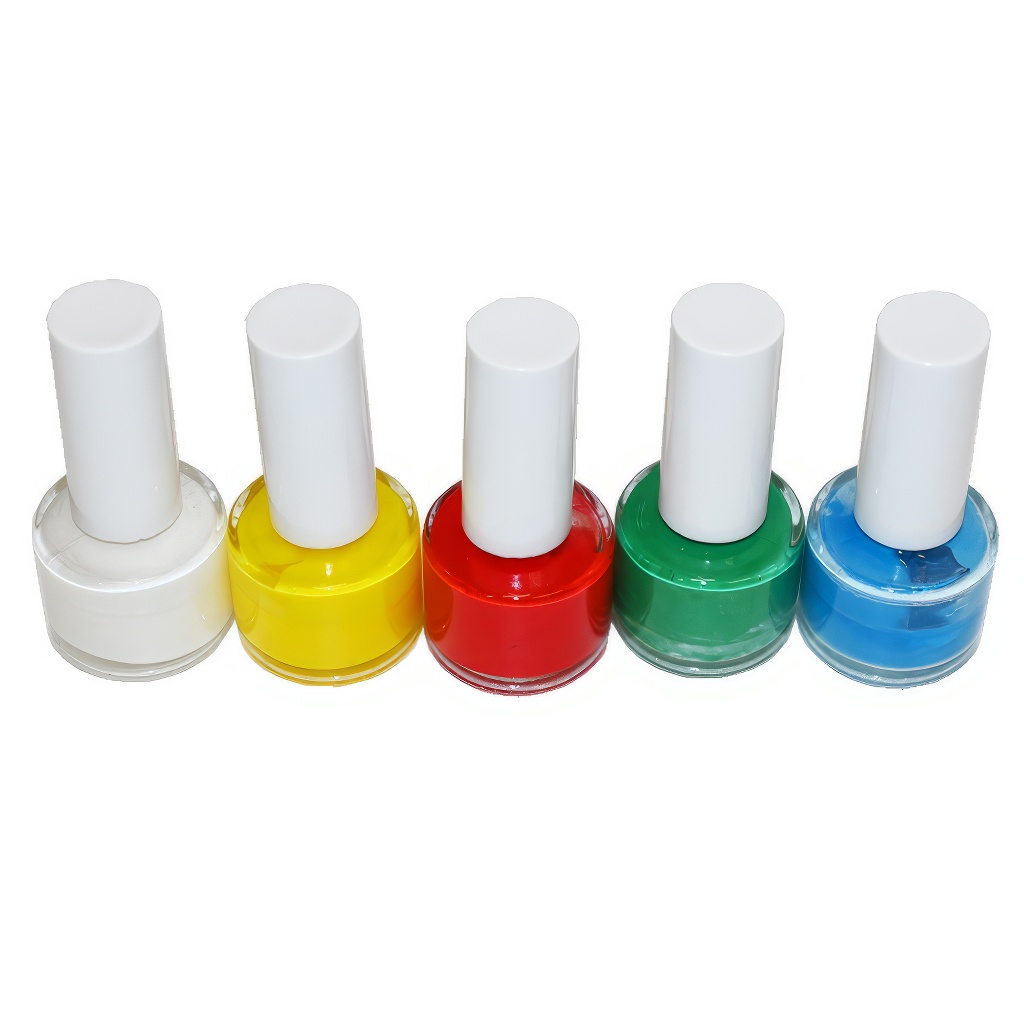
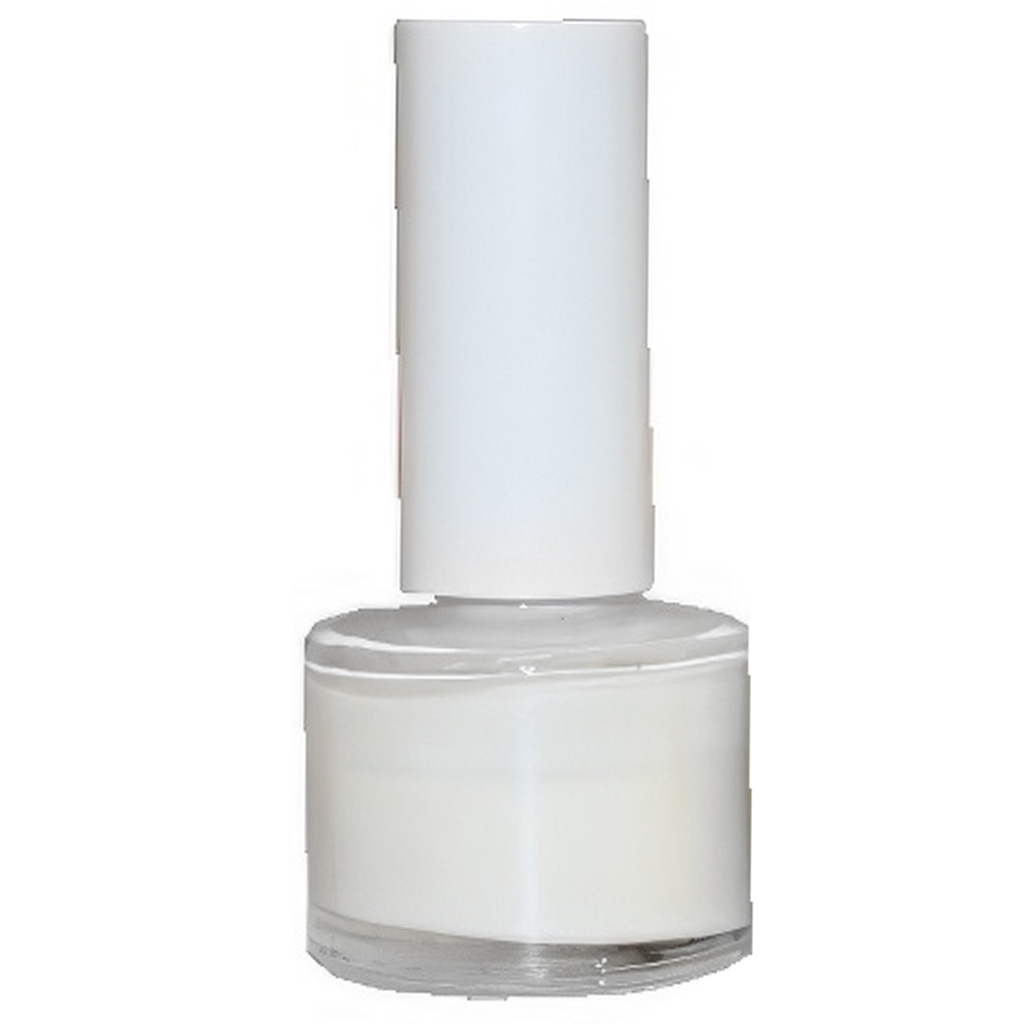
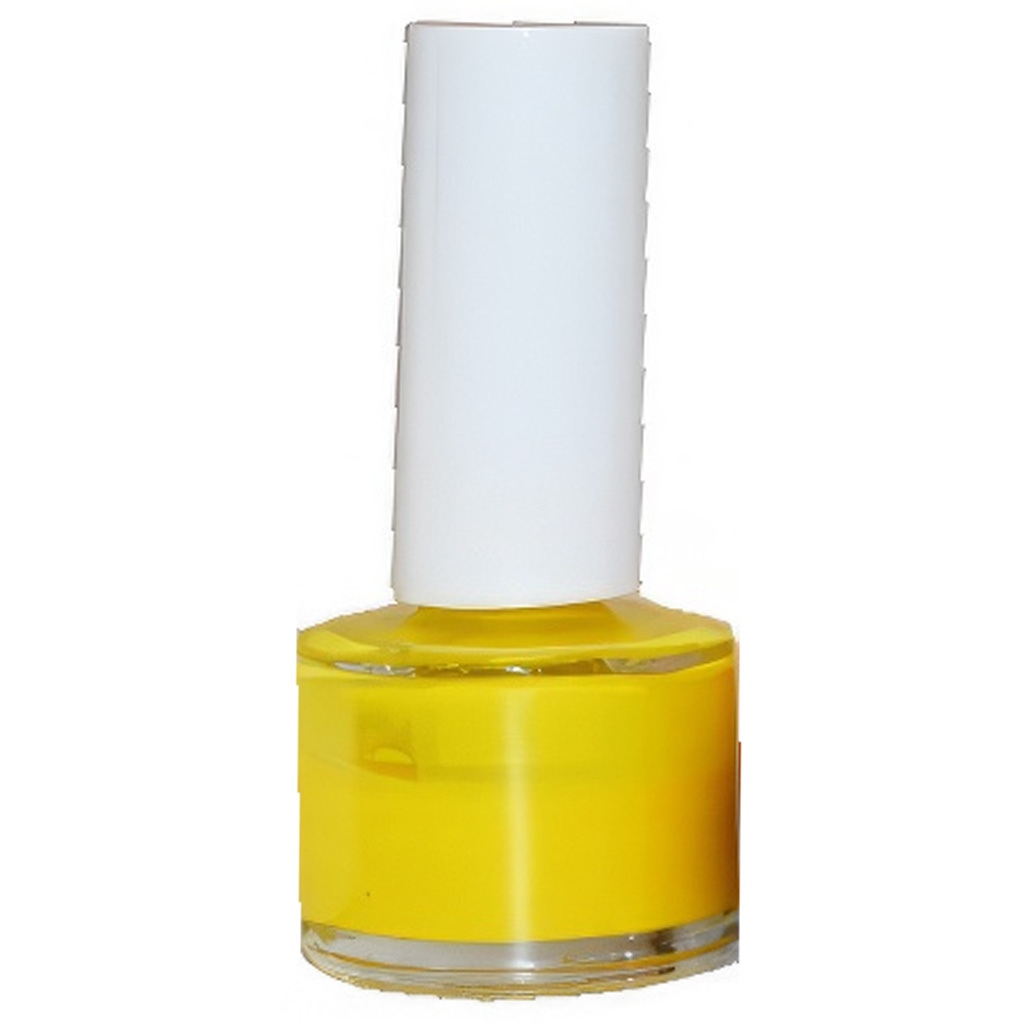
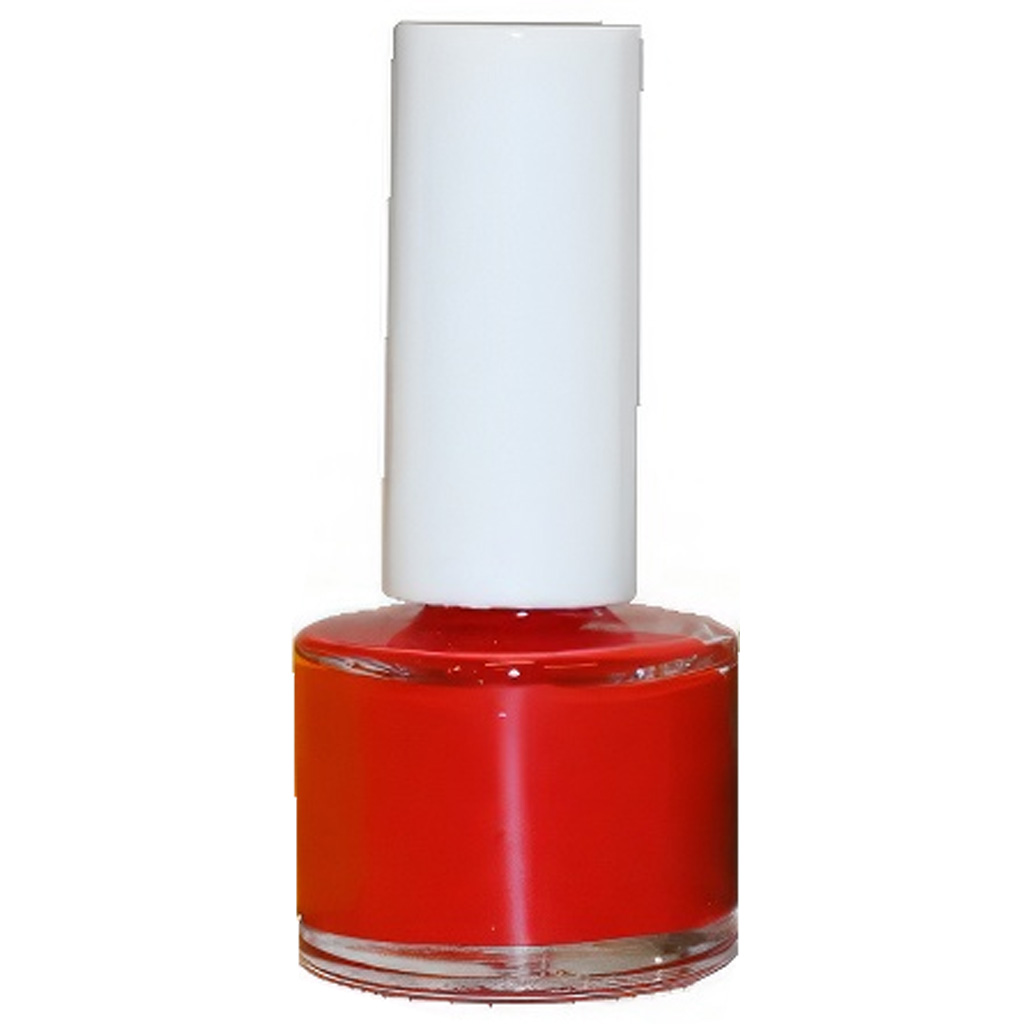
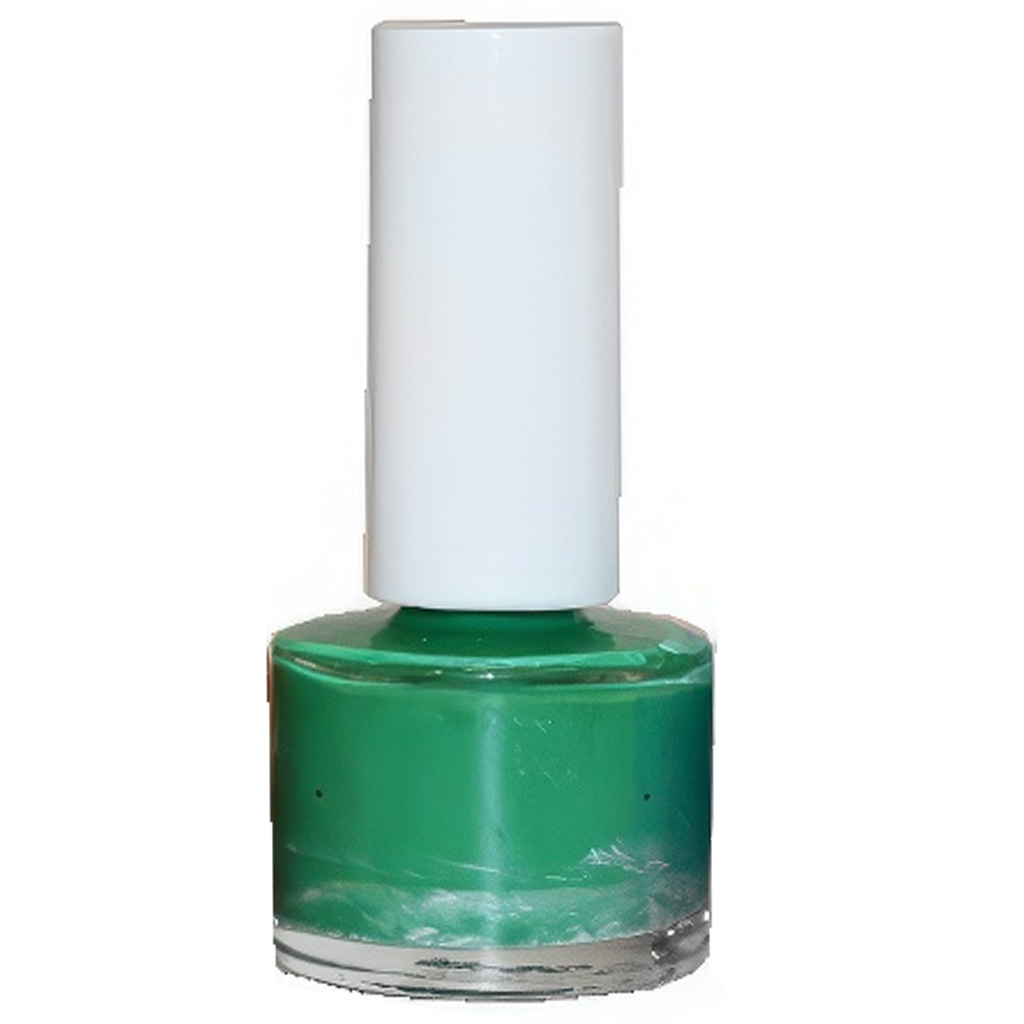
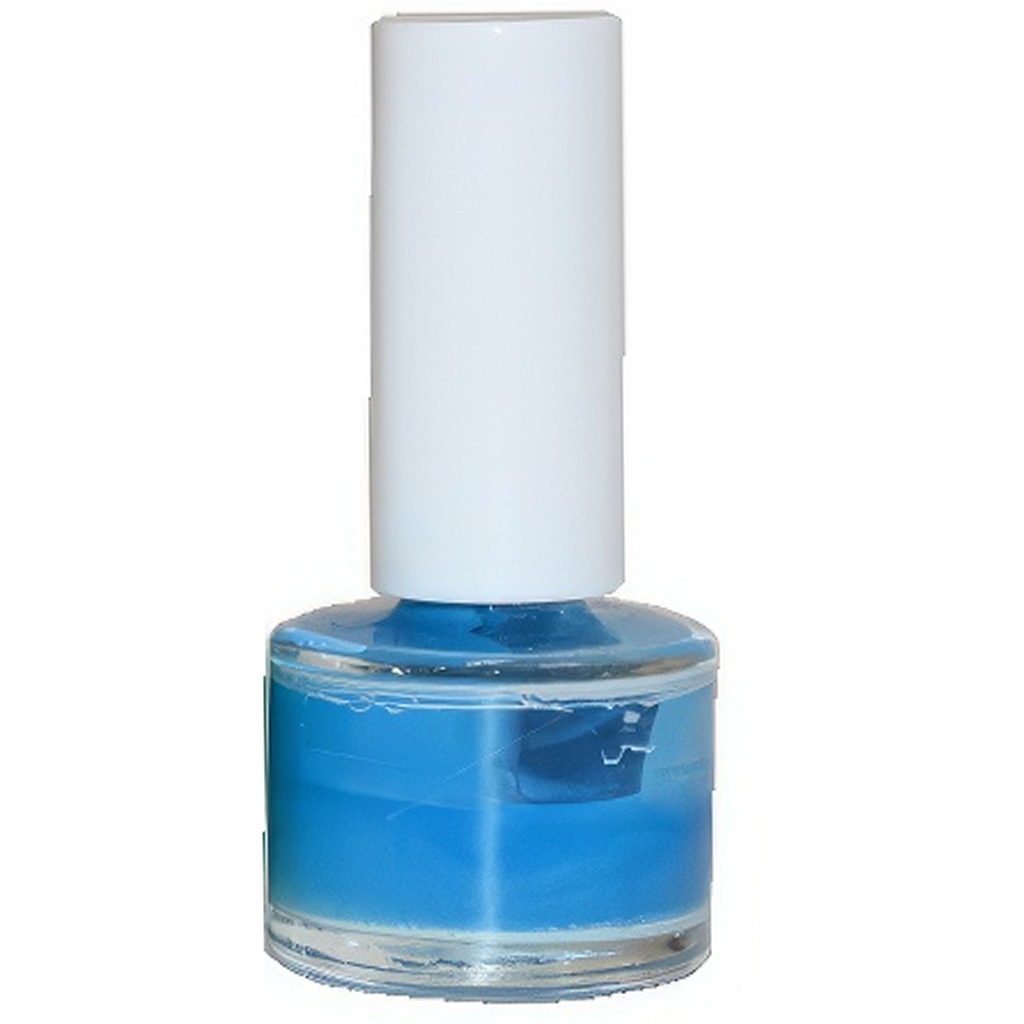
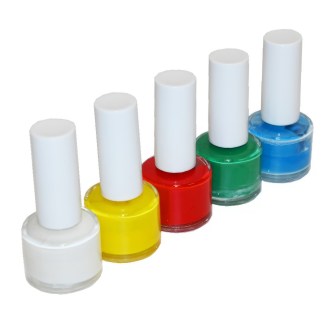
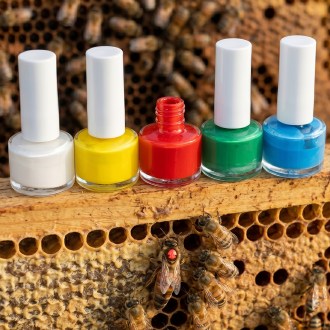
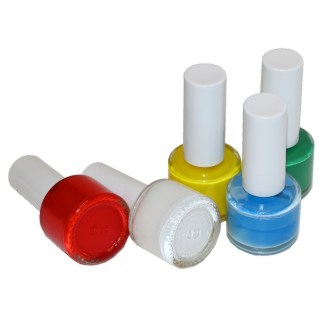
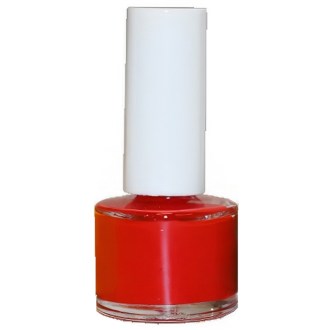
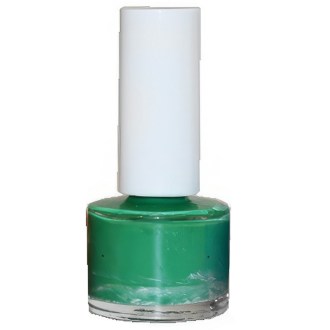
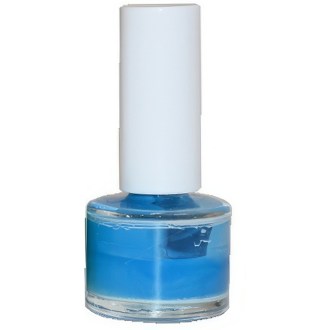
Queen Marking Paint - bottle
 In stock
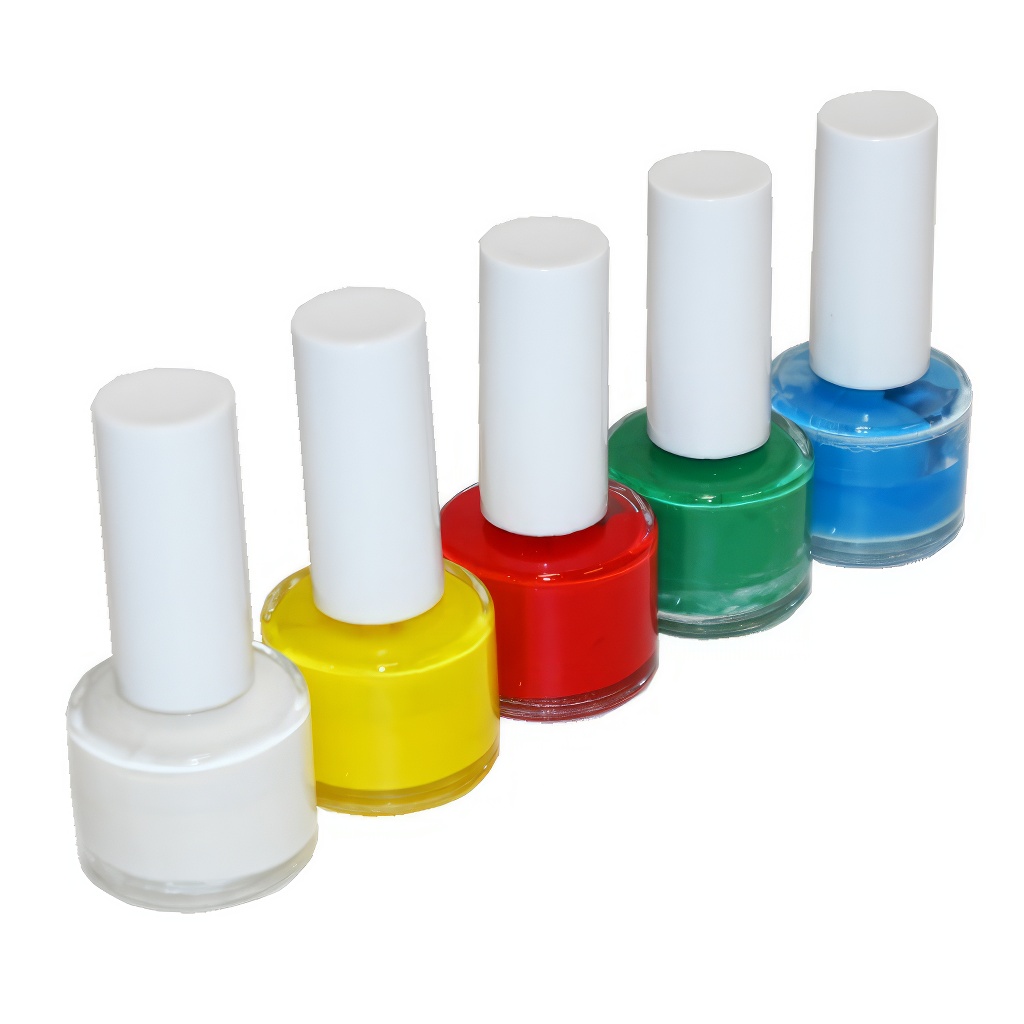
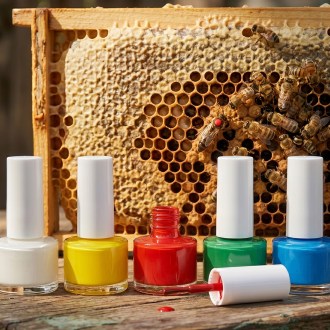
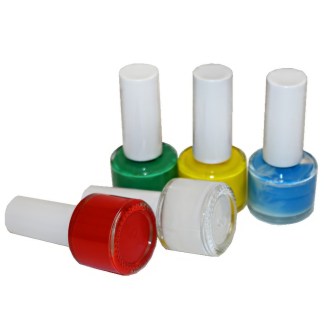
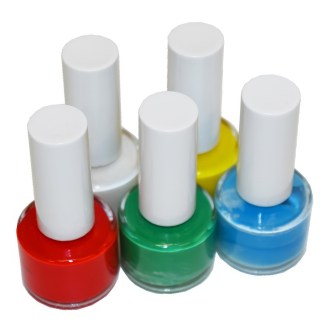
Fast-drying paint for marking queen bees. No need to worry about smudging or dripping. Besides the queen, it can also be used to mark other materials. Don't forget to select the appropriate color for the respective calendar year.

Queen Marking Paint – Quick-Drying Lacquer in a Bottle
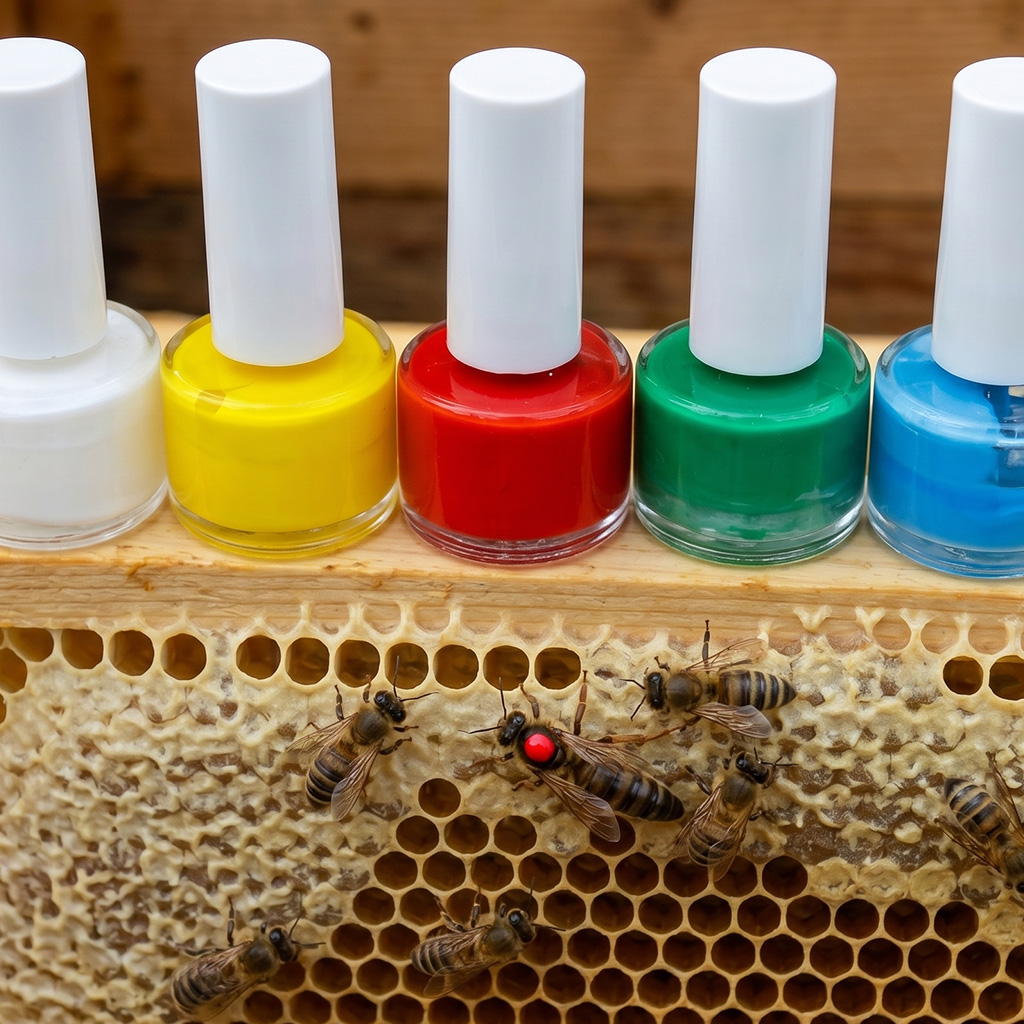
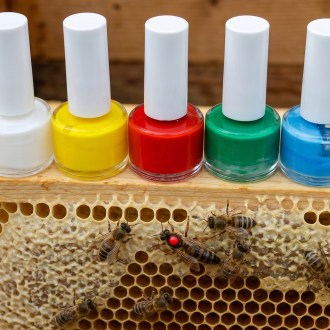
Finding the queen bee in a strong colony can take an unnecessarily long time during a hive inspection. Quick-drying queen marking paint helps the beekeeper spot the queen at first glance on the comb. With a clearly visible marking, you gain a better overview of queen age, colony condition, and planned requeening throughout the season.
A Practical Tool for Quick and Gentle Marking
The lacquer is designed for safe and precise marking of queen bees during routine beekeeping practice. It dries quickly, provides good coverage, and when applied correctly does not smudge or run. The paint is applied as a small drop on the dorsal side of the queen's thorax, where it forms a clearly visible mark. The glass bottle is equipped with a fine brush integrated directly into the cap, so no additional accessories are needed for application.
In addition to queen marking, the lacquer can also be used to mark certain breeding accessories, plastic parts, queen cages, or other equipment in beekeeping operations. It is also suitable as a base for the subsequent application of an opalith numbered disc, if you need to identify queens individually by line or origin.
Color Marking of Queens by Year of Birth
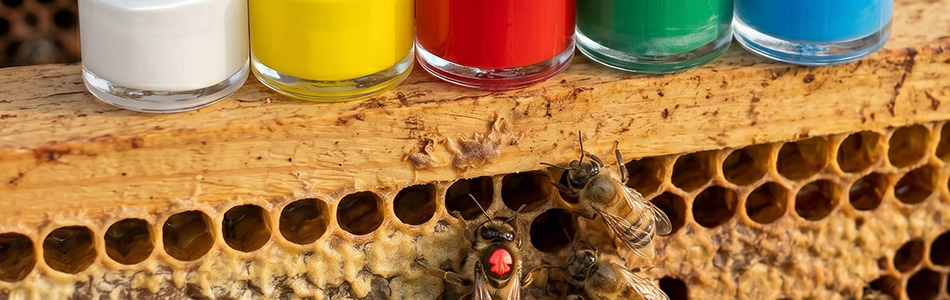
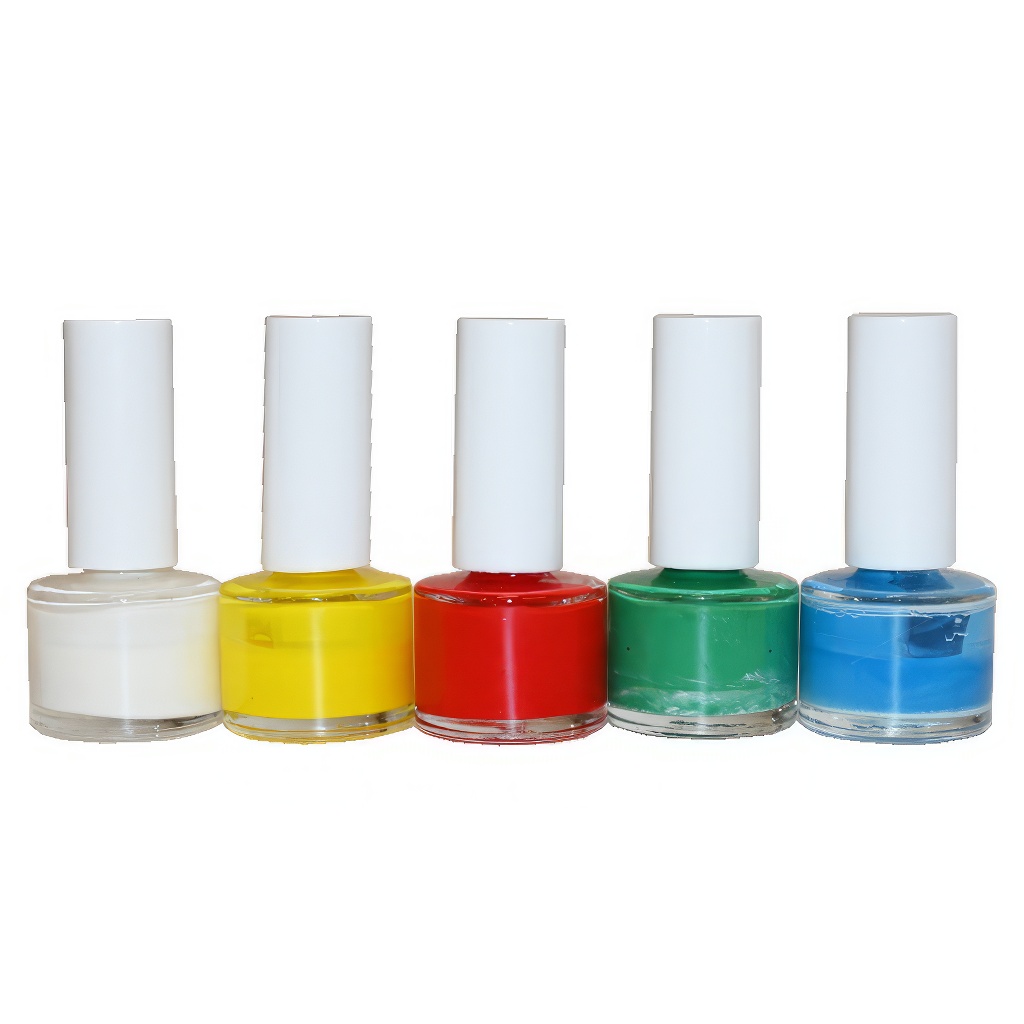
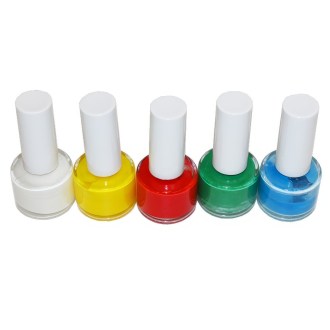
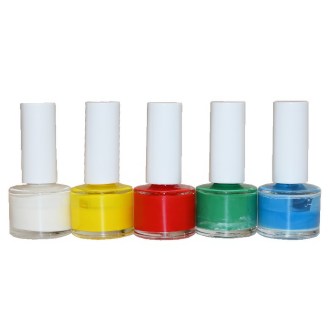
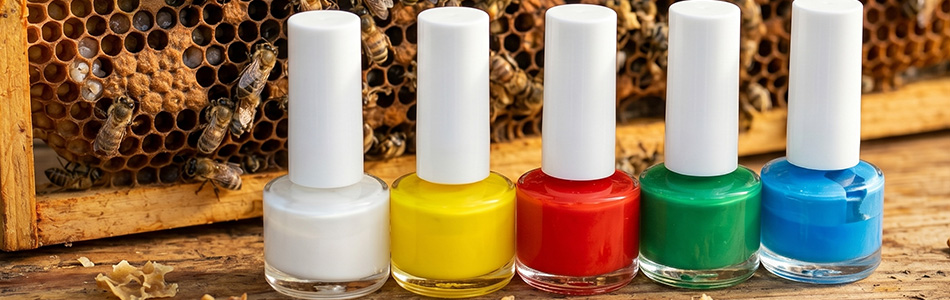
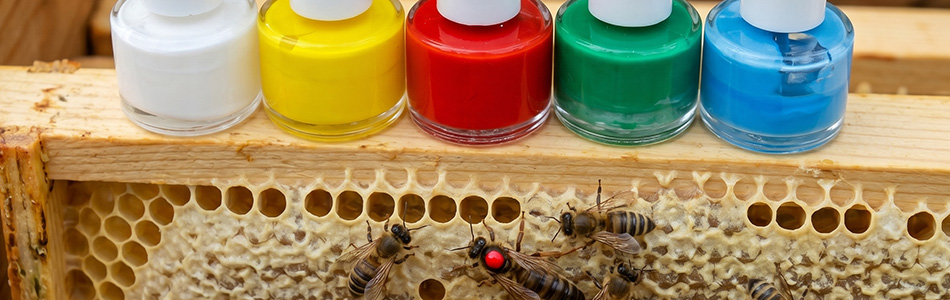
The color corresponds to the internationally used five-year queen marking color code system. Thanks to this system, you can easily identify the queen's year of birth and decide in time whether to replace her with a young and productive queen. This system is clear, well-established, and facilitates beekeeping record-keeping as well as management of a larger number of colonies.
Technical Specifications and Color Coding
| Product type | Quick-drying lacquer for queen bee marking |
| Packaging | Glass bottle that helps prevent premature drying of the lacquer |
| Application | Fine applicator brush fitted in the bottle cap |
| Lacquer properties | Quick drying, good coverage, abrasion resistance, non-drip consistency |
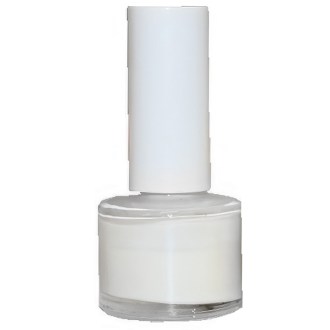
| White | Years: 2006, 2011, 2016, 2021, 2026, 2031 |
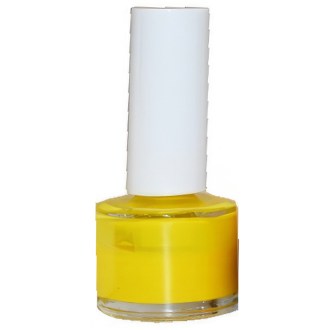
| Yellow | Years: 2007, 2012, 2017, 2022, 2027, 2032 |
| Red | Years: 2008, 2013, 2018, 2023, 2028, 2033 |
| Green | Years: 2009, 2014, 2019, 2024, 2029, 2034 |
| Blue | Years: 2005, 2010, 2015, 2020, 2025, 2030 |
| Chemical composition | Isobutyl acetate, ethyl acetate, N-butyl acetate, nitrocellulose (nitrogen content < 12.6%), acetone, butoxyethanol, xylene, 2-propanol, butyl alcohol, ethylbenzene, methyl methoxyethyl acetate, methyl ethyl ketone. |
Recommendations for Proper Use
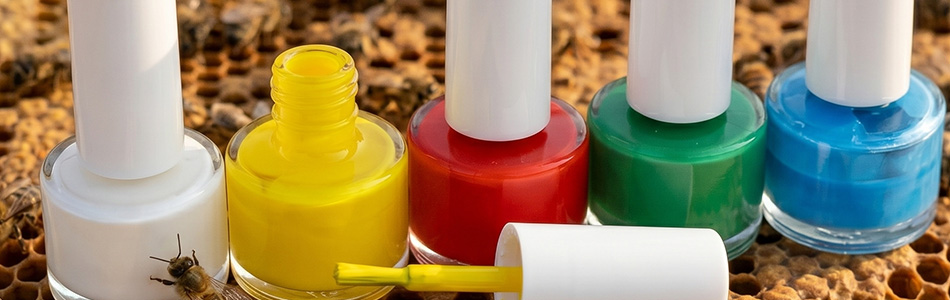
Before use, shake the bottle thoroughly to ensure the pigments are evenly mixed. When marking, apply only a small drop of lacquer to the dorsal part of the queen's thorax. Take care not to get any paint on the wings, antennae, eyes, or other sensitive body parts. After marking, allow the queen to dry briefly in a marking cage, marking net, or queen catcher tube, usually for approximately 30 to 60 seconds. Only then carefully return her to the colony.
Proper queen marking significantly facilitates regular hive inspections, monitoring of queen age, and overall apiary management. It is a simple yet very useful tool for every beekeeper who wants to maintain a better overview of their colonies.