














Dear customers, on July 6 our stores and shipping department will be closed. Thank you for your understanding, and we apologize for any inconvenience.
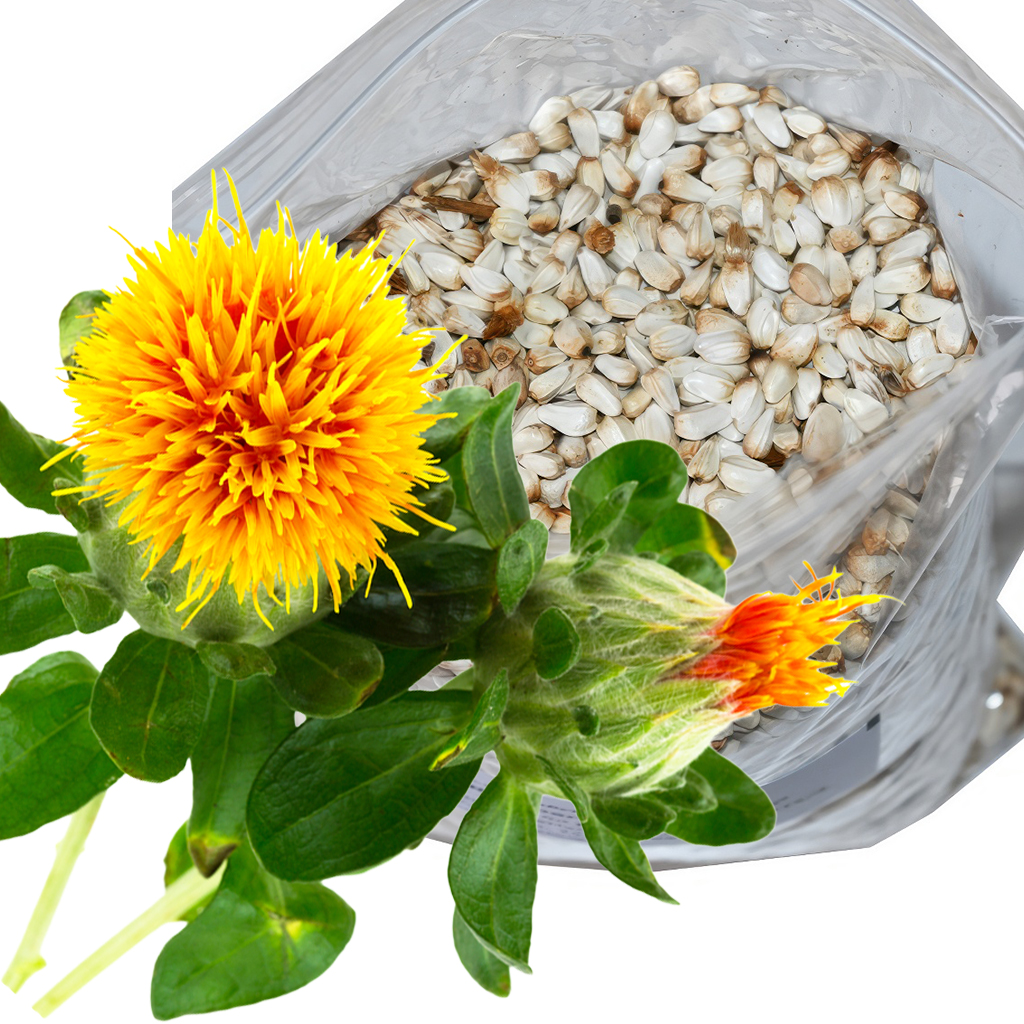
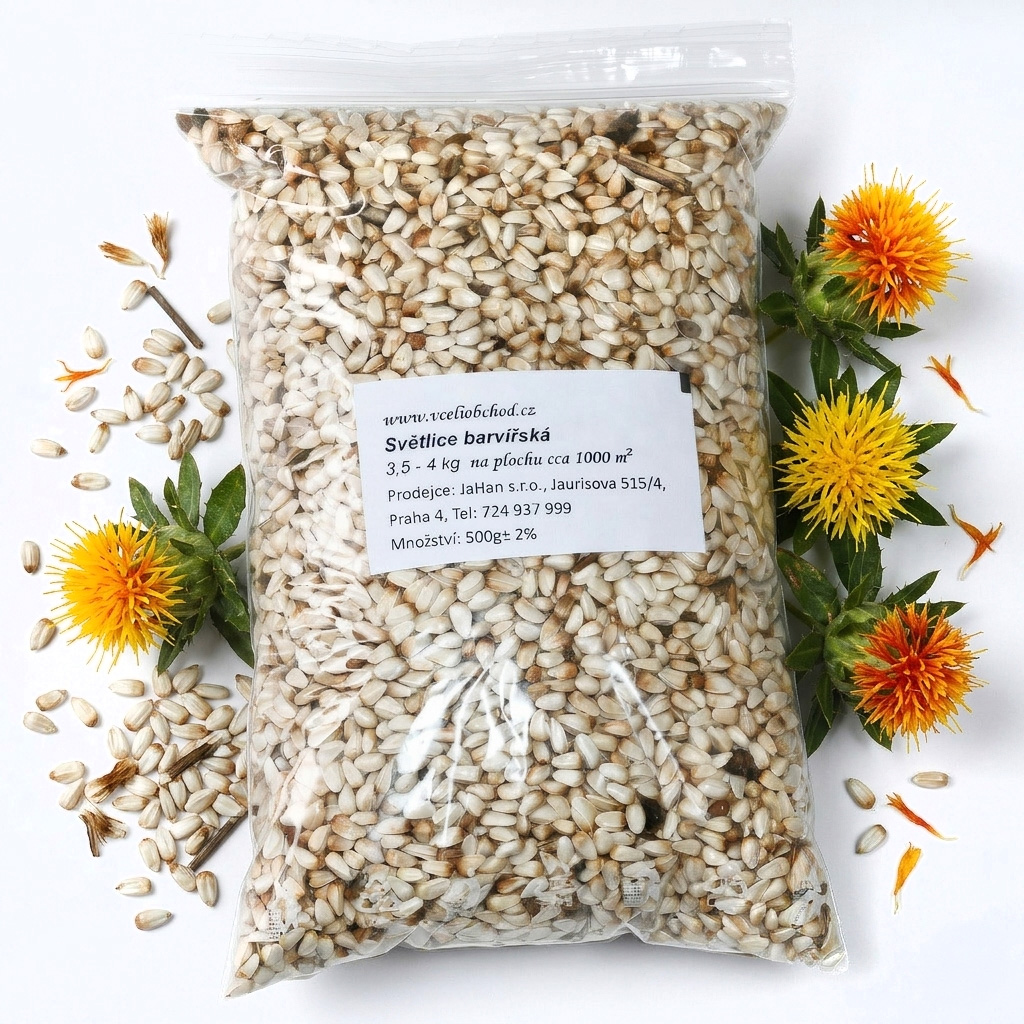
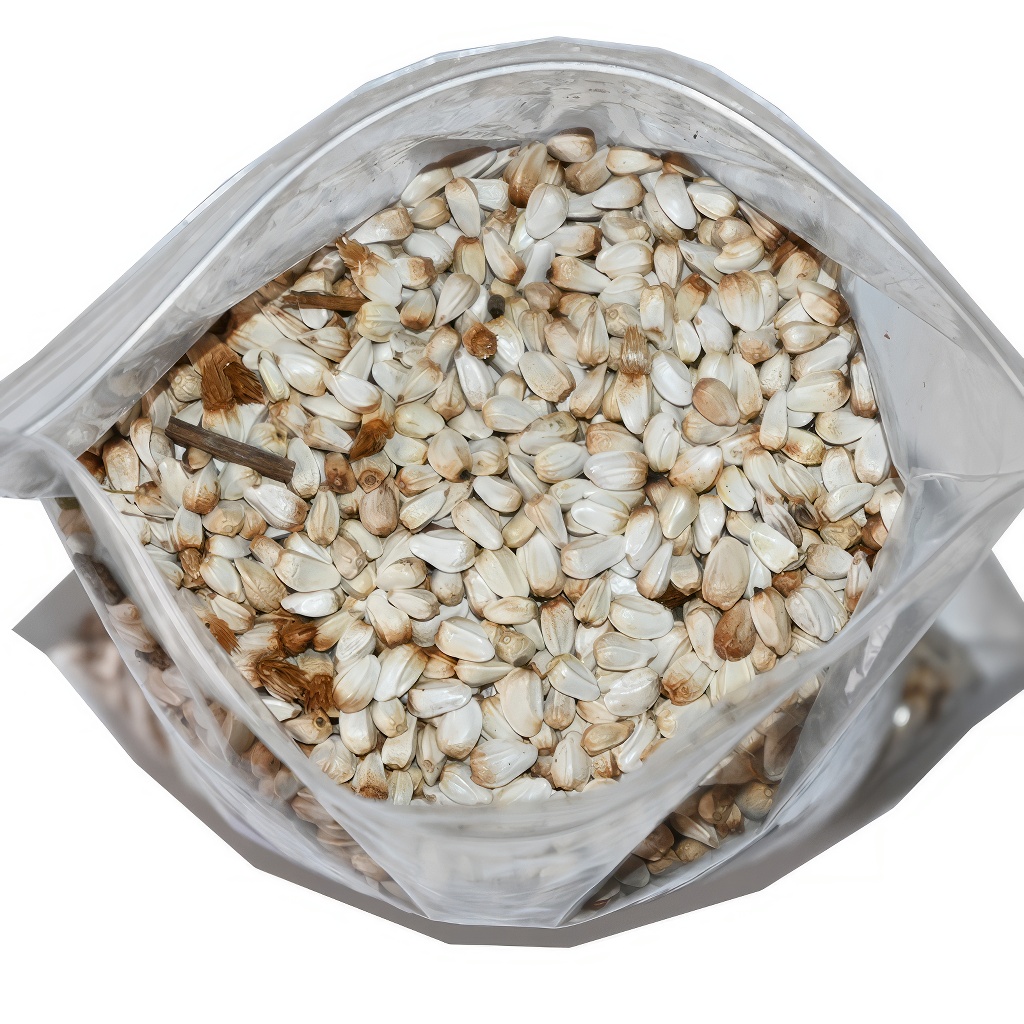
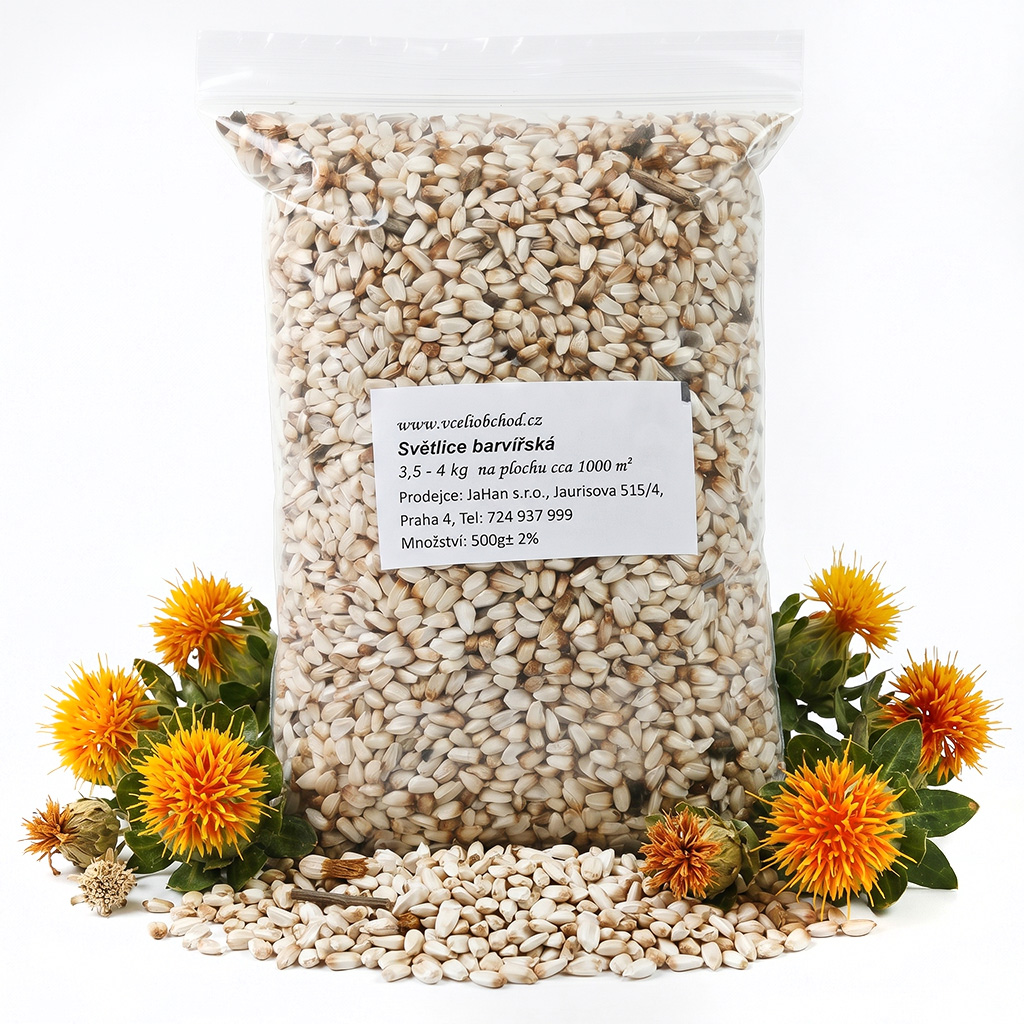
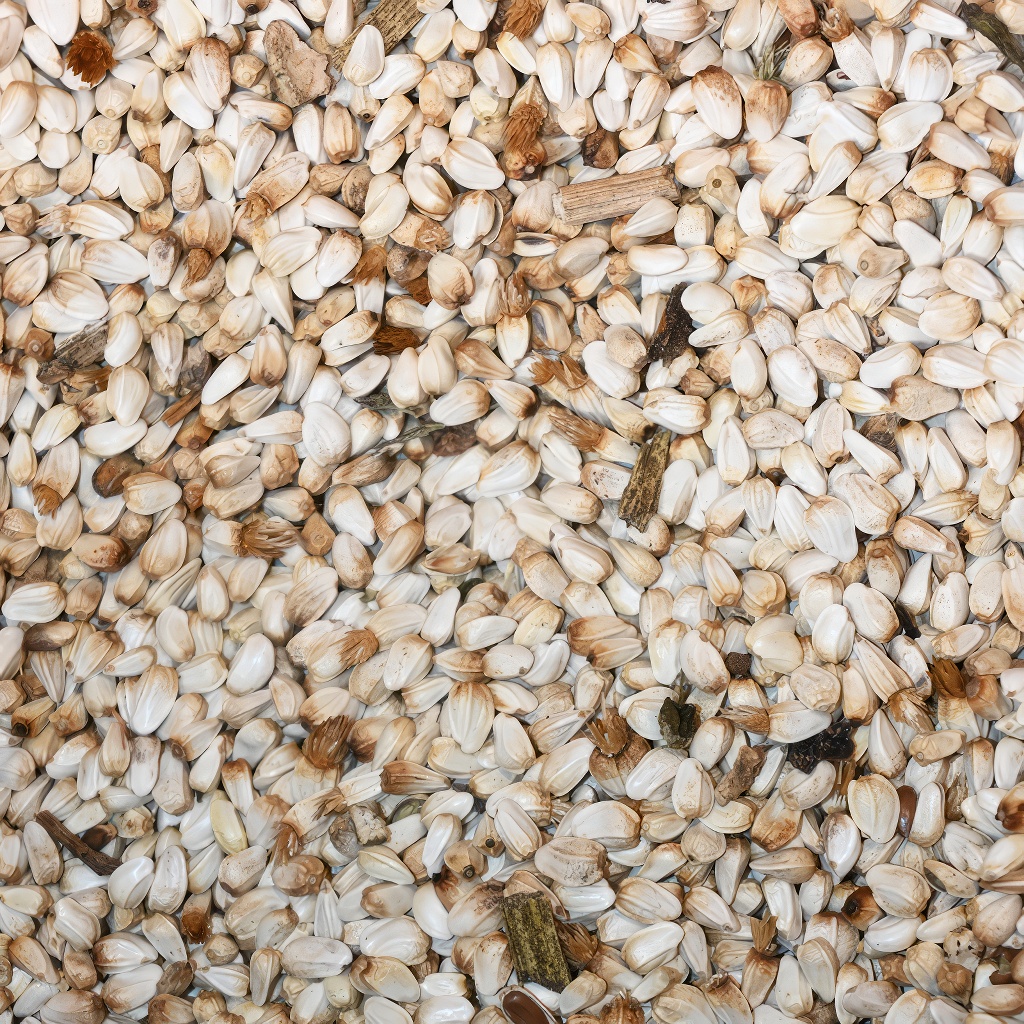
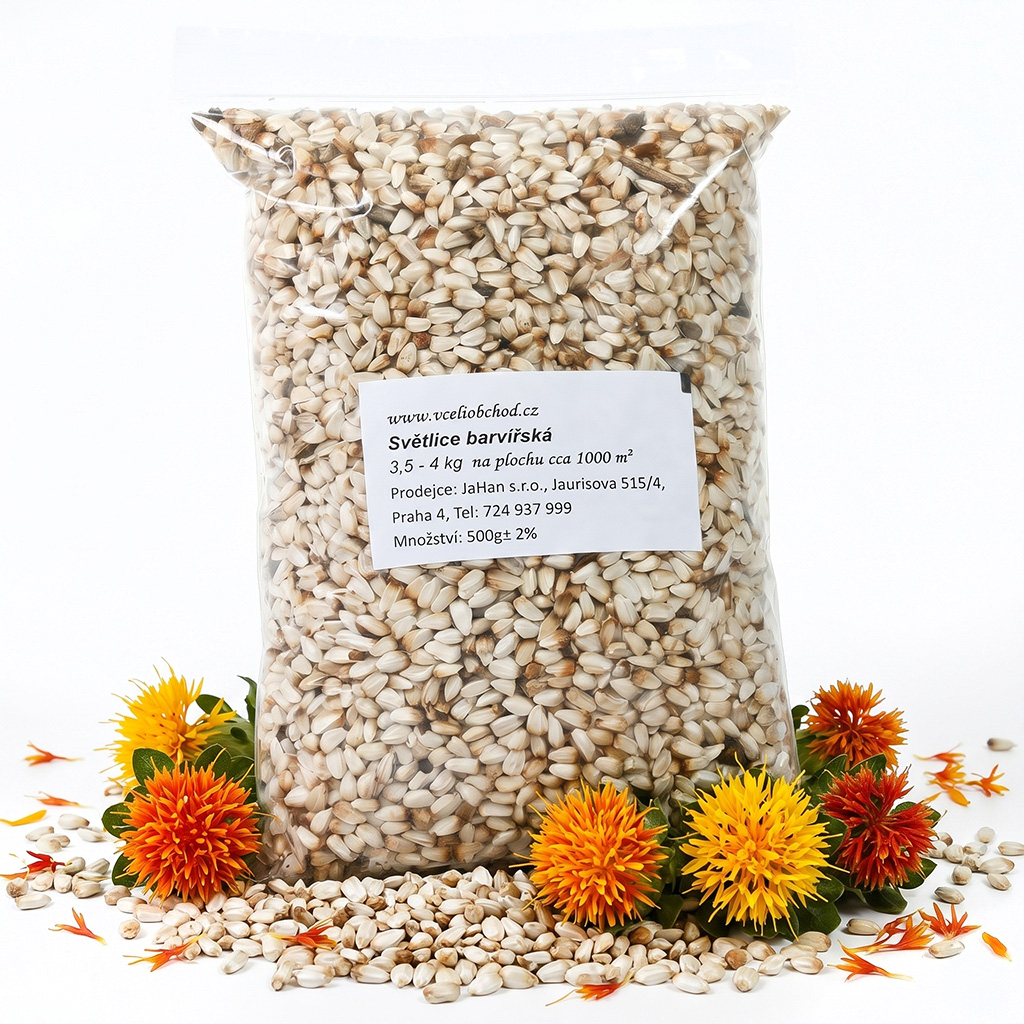
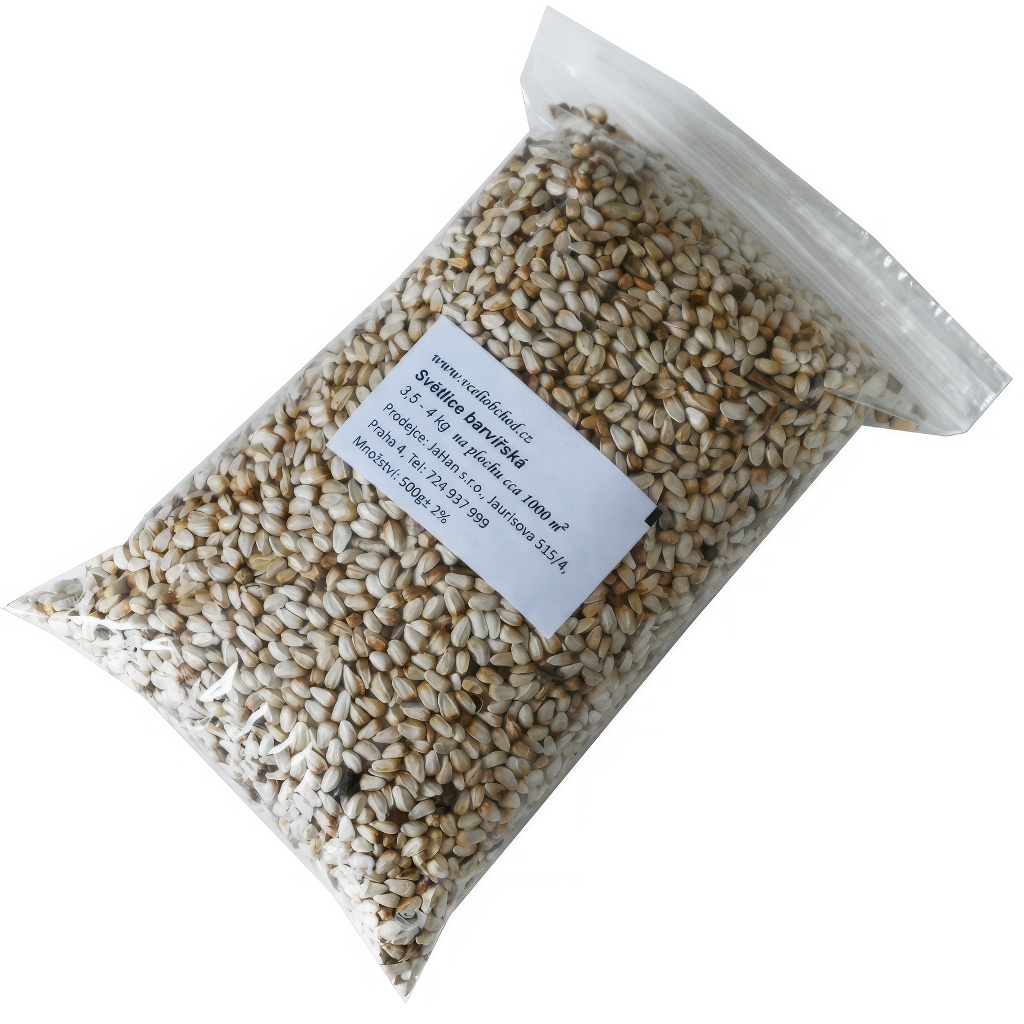
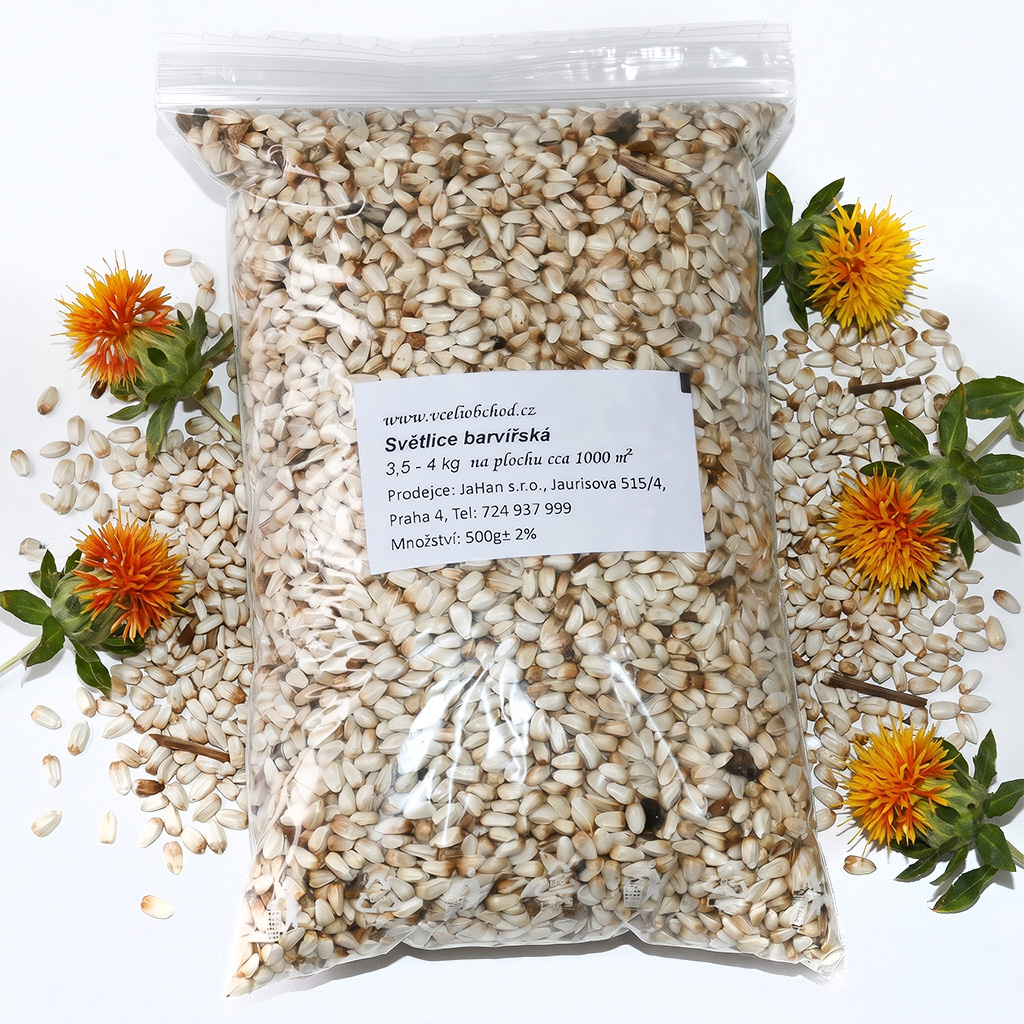
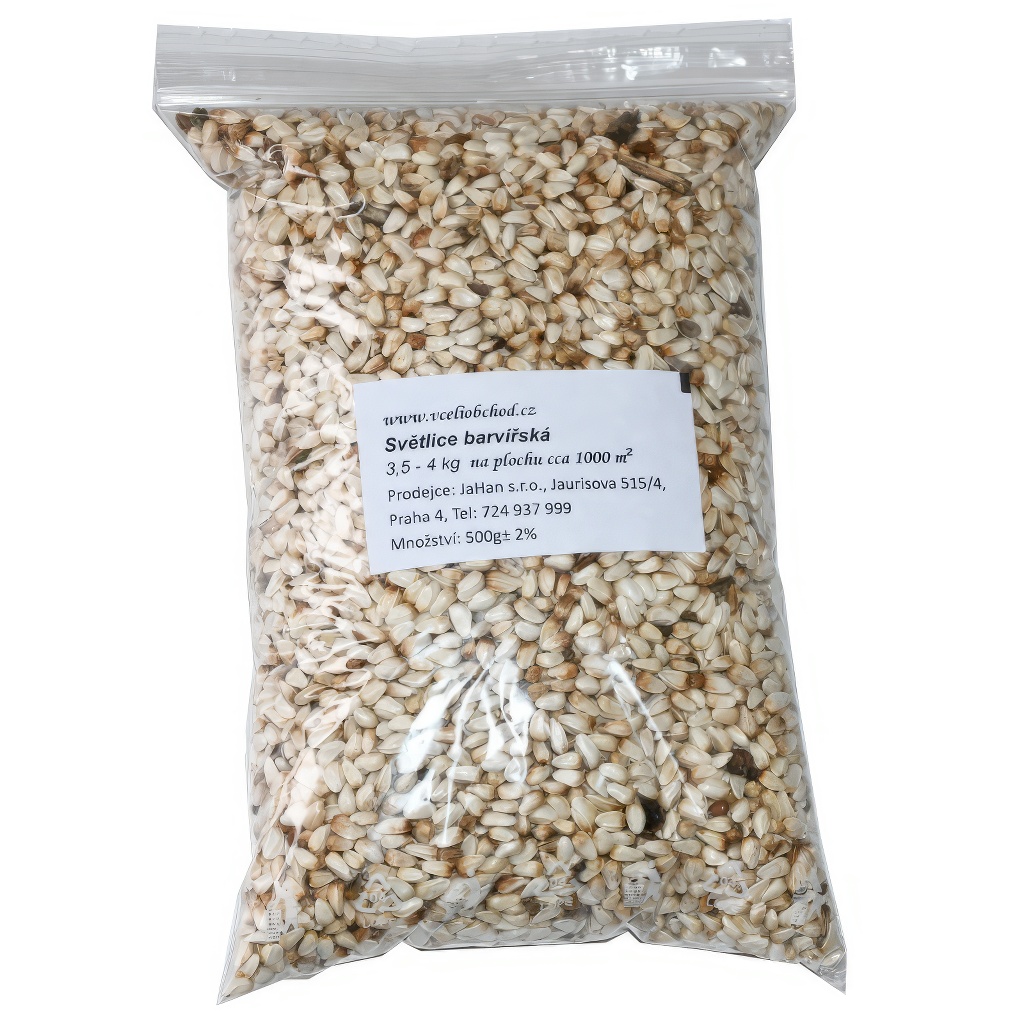
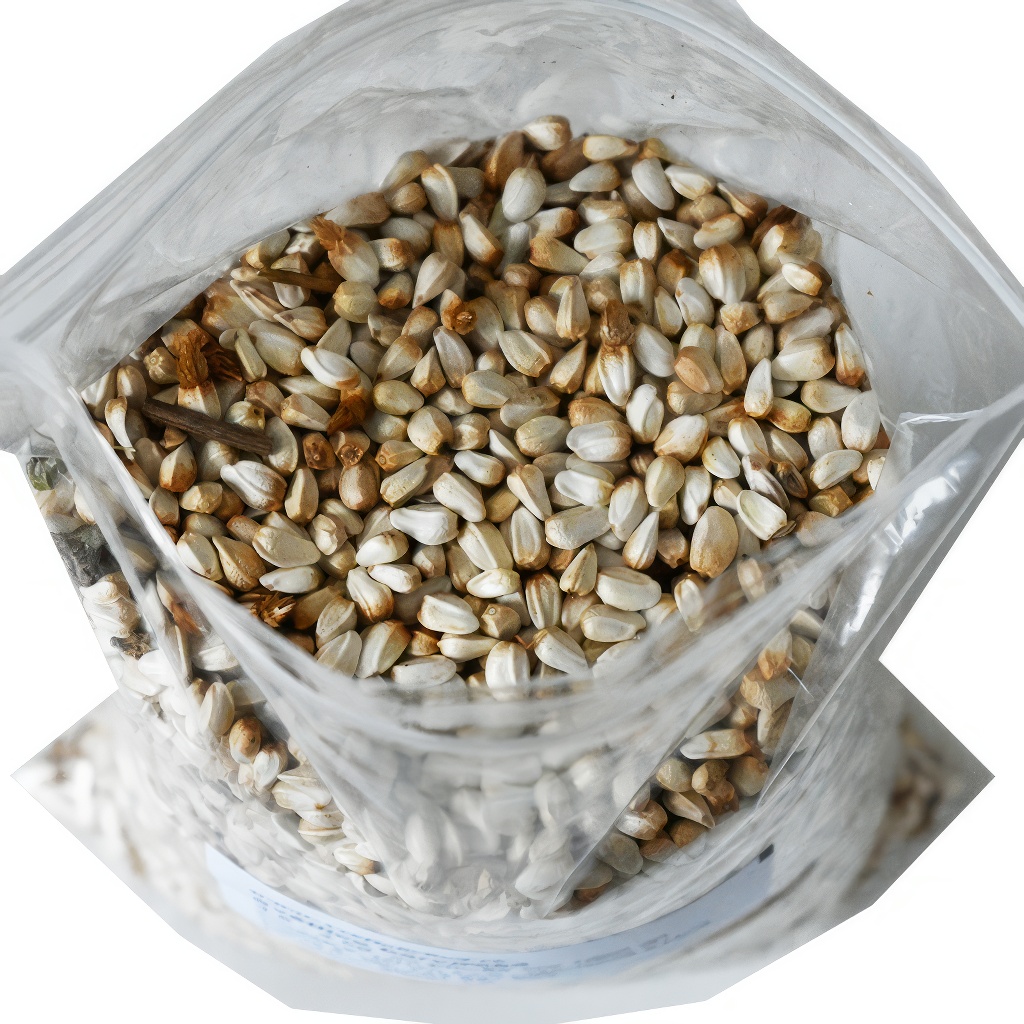
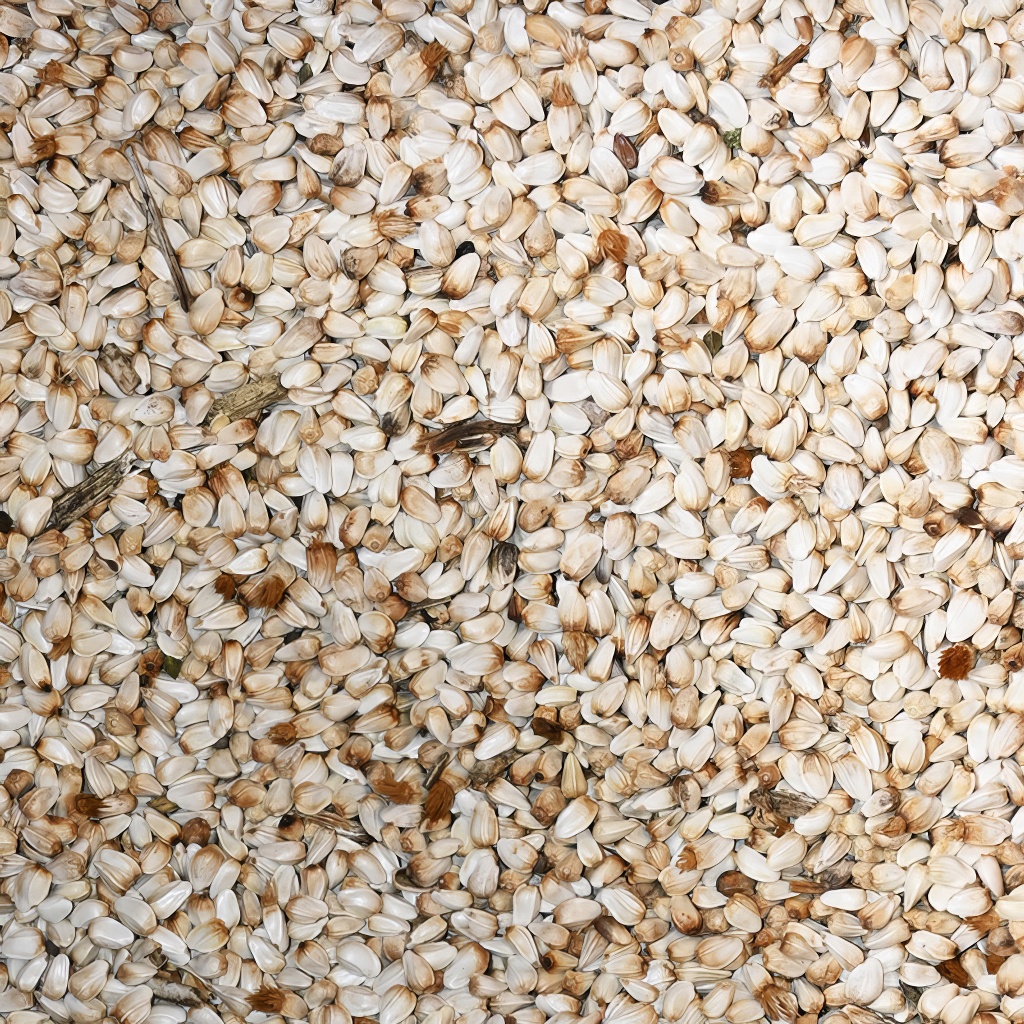
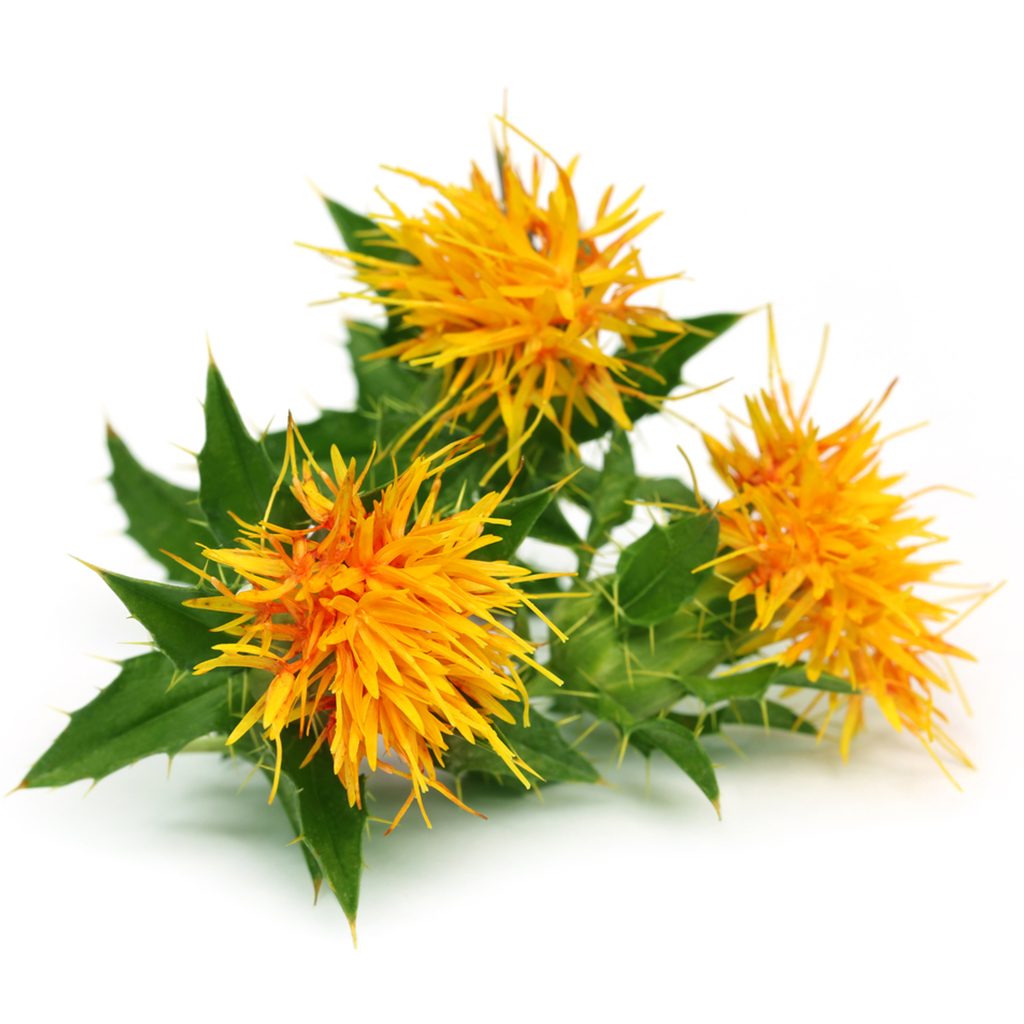
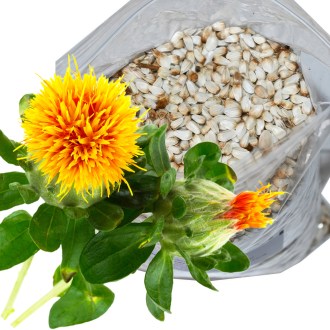

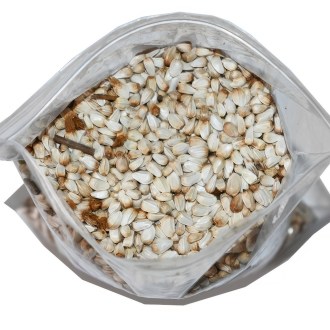
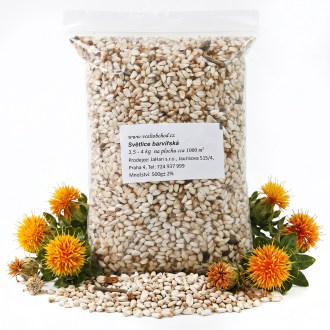
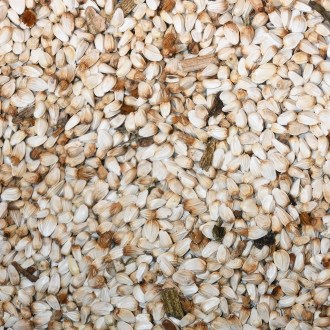
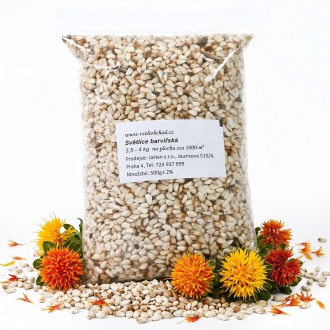
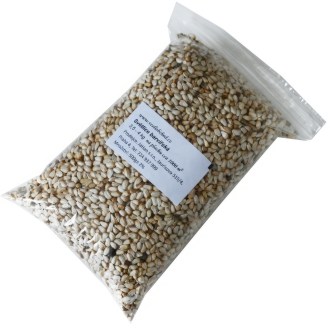
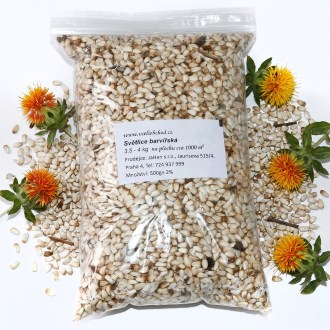
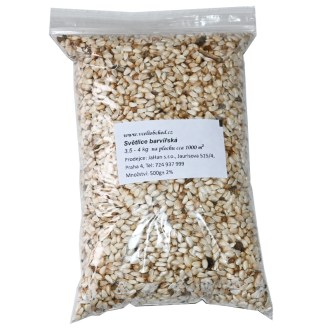
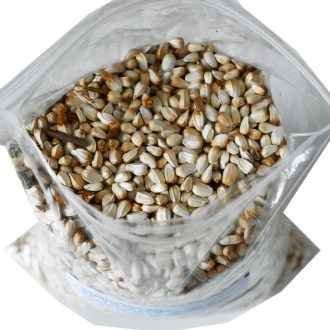
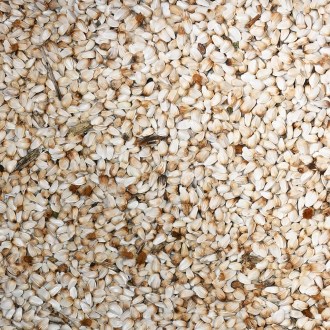
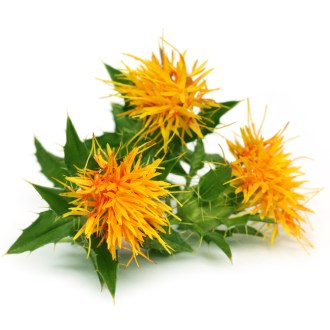
Safflower seeds (Carthamus tinctorius) - 0.5 kg
 In stock
This plant is grown mainly for its seeds, it can be fed to livestock on the farm, and it is also a honey plant due to its high nectar content in late summer.

Safflower – 0.5 kg: late forage to support your bee colonies
Do you want to provide your bees with a reliable source of nectar and pollen during the time when the main honey flow usually weakens? Safflower (Carthamus tinctorius), also known as false saffron, is an excellent choice for beekeepers who care about colony condition at the end of the season. It is an annual plant with a thistle-like appearance that grows to approximately 100–120 cm. Thanks to its deep root system, it manages water efficiently and handles even drier years, which have become increasingly common in recent times.

Nectar and pollen when the landscape "goes dark"
The greatest advantage of safflower for beekeepers is its flowering period. It blooms from July to September, during a period when many important honey plants have already finished flowering. For bees, it represents valuable and stable late forage – helping to supplement energy and protein intake and support the development of strong bee generations before winter. Flowering typically lasts three to four weeks. The flowers in yellow to bright orange shades are very attractive to pollinators and bees work them intensively.
Utility plant not only for beekeepers
Safflower will please you beyond beekeeping as well. The petals are traditionally used as a natural dye in food and confectionery (often labeled as "Turkish saffron") – giving dishes a distinctive color without the typical saffron aroma. Mature seeds are also valuable feed for poultry and ornamental birds: they are energy-rich and contain a high proportion of oil (up to around 55%) including linoleic acid, which contributes to good condition and feather quality.
Easy cultivation and good resistance
You can manage safflower cultivation without complications. It thrives best in a sunny location in well-drained soil, but generally is not overly demanding regarding soil type. Thanks to its resistance to drought and temperature fluctuations, it suits conditions that often prevail in the landscape today. You can sow it as a main crop in spring, or even as a catch crop after harvest (until August). In such cases, it serves as green manure to improve soil or as green fodder.
Technical parameters and sowing recommendations
For good germination and to utilize the plant's potential, we recommend following these parameters. The 0.5 kg package is suitable for smaller areas, beekeeping plots, and as an addition to bee forage mixtures.

| Latin name | Carthamus tinctorius |
| Package weight | 0.5 kg |
| Recommended seeding rate | 35–40 kg/ha (approx. 3.5–4 kg per 1,000 m²) |
| Sowing period | March to May (main), until August (catch crop) |
| Plant height | 100–120 cm |
| Flowering period | July–September (approx. 3–4 weeks) |
| Vegetation period | 100–130 days |
| Beekeeping value | source of nectar and pollen in late summer |
| Site requirements | sunny, drought-resistant |
With safflower seed, you will not only get an interesting and useful crop for your garden, but most importantly, you will strengthen the late honey flow supply. Precisely during the period when flowers become scarce in the landscape, safflower can help maintain colonies in good condition and support their preparation for winter.