













Beeswax foundation hand press - smooth
 In stock


Foundation Mills for Manual Production of Foundation Sheets – Smooth
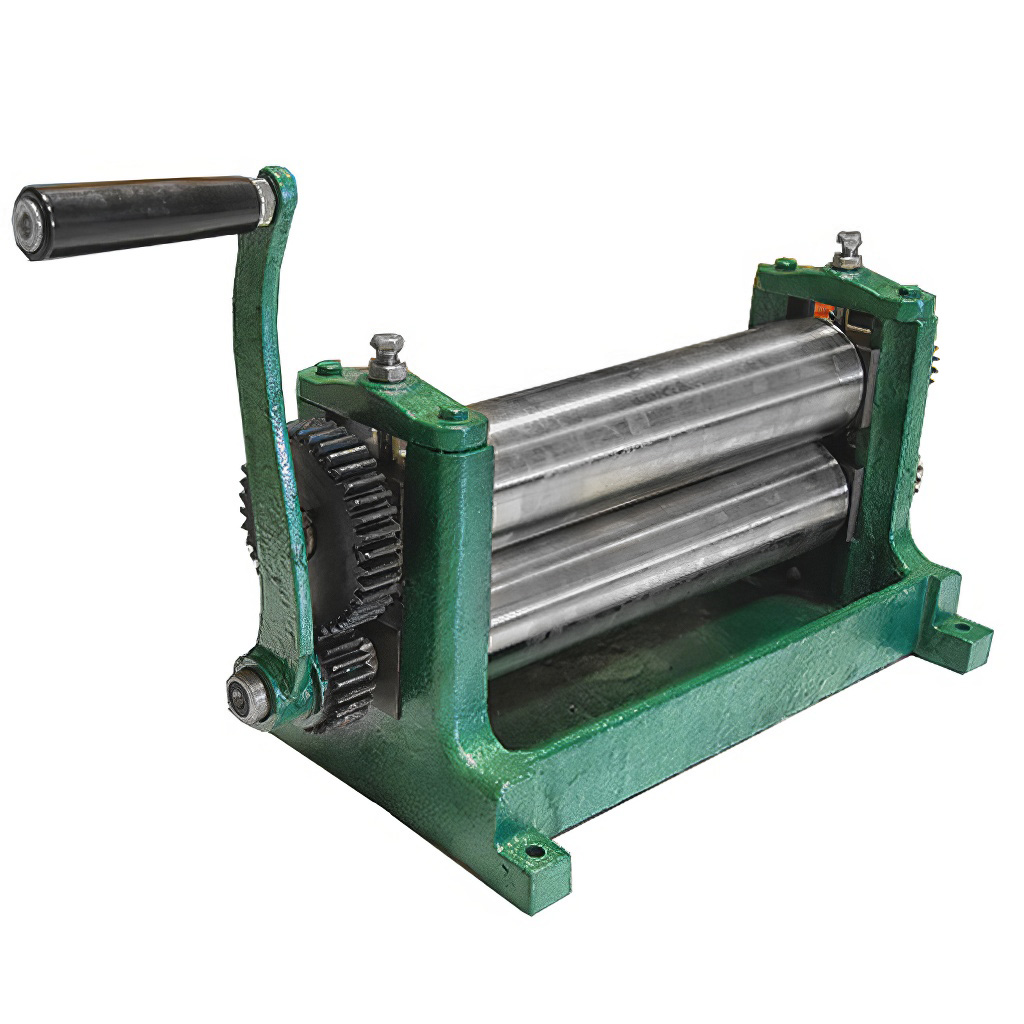
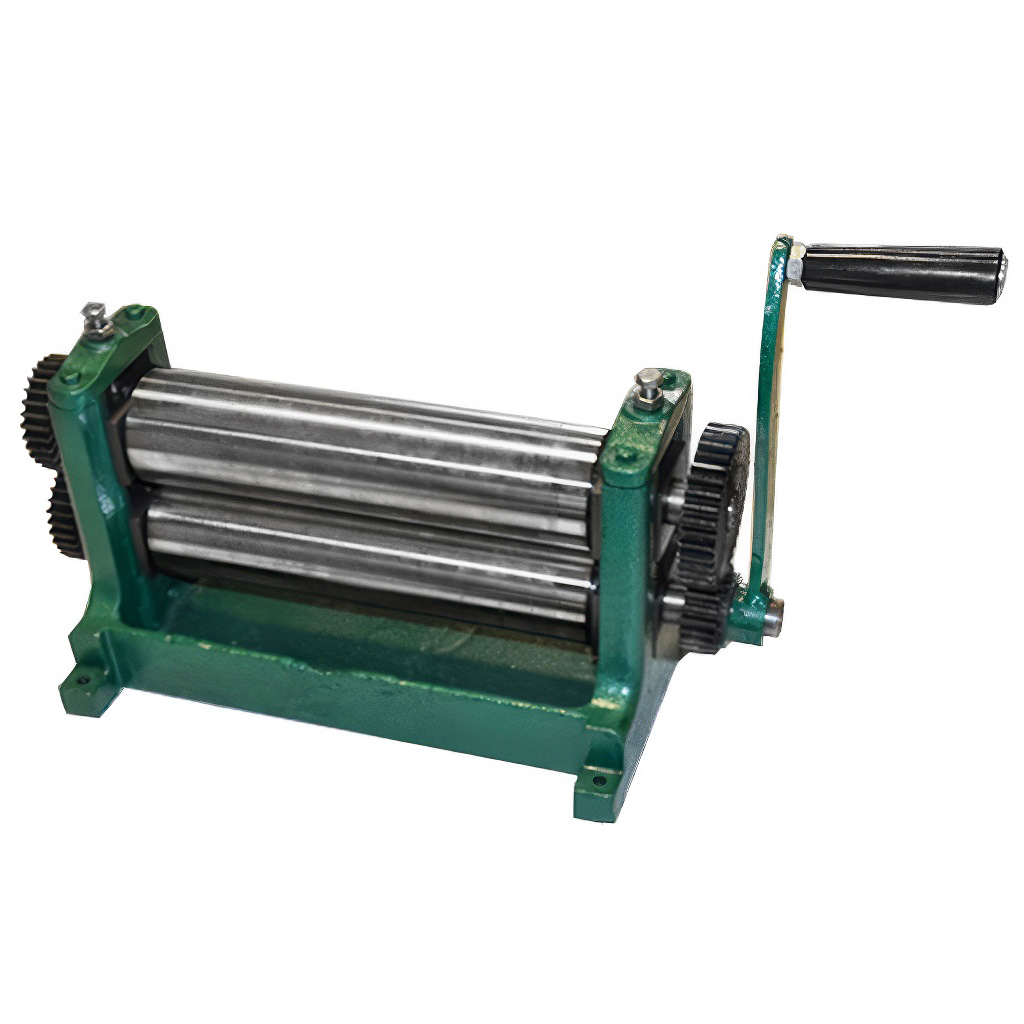
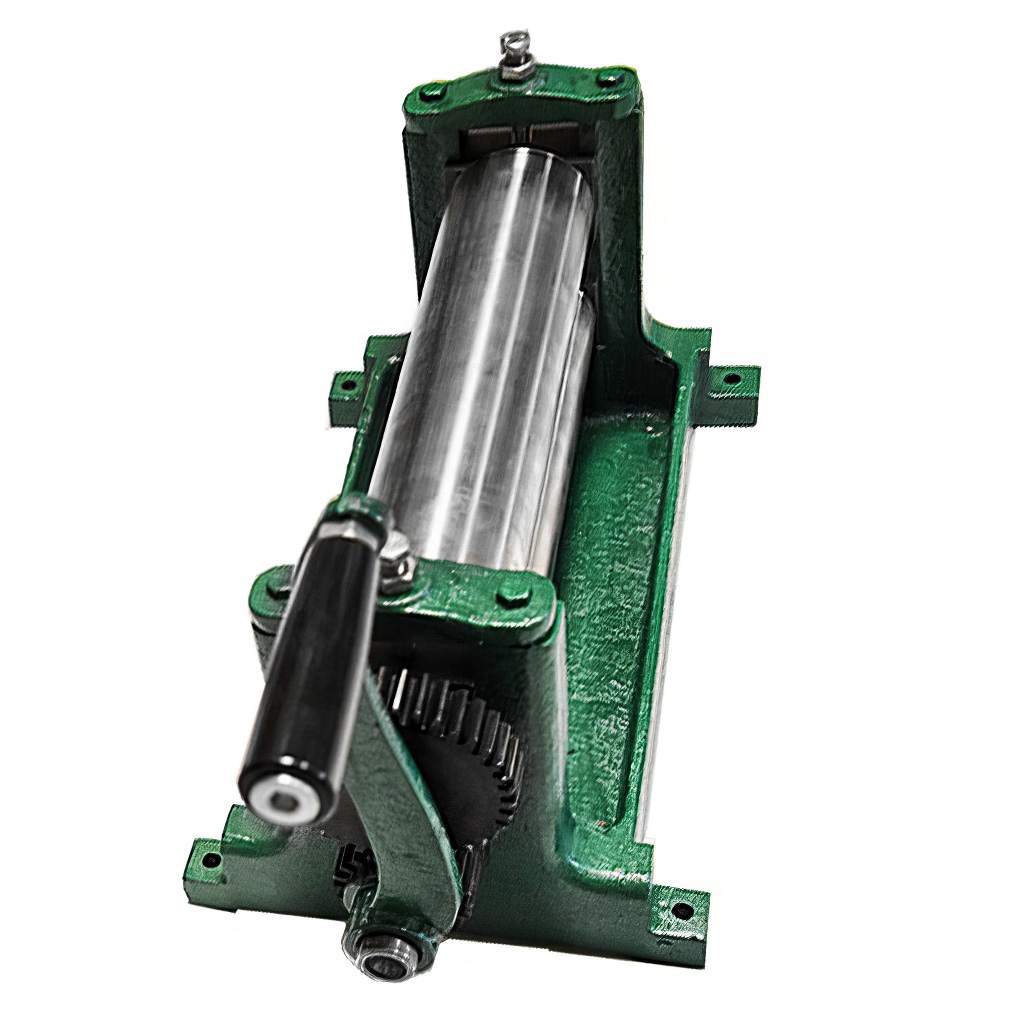
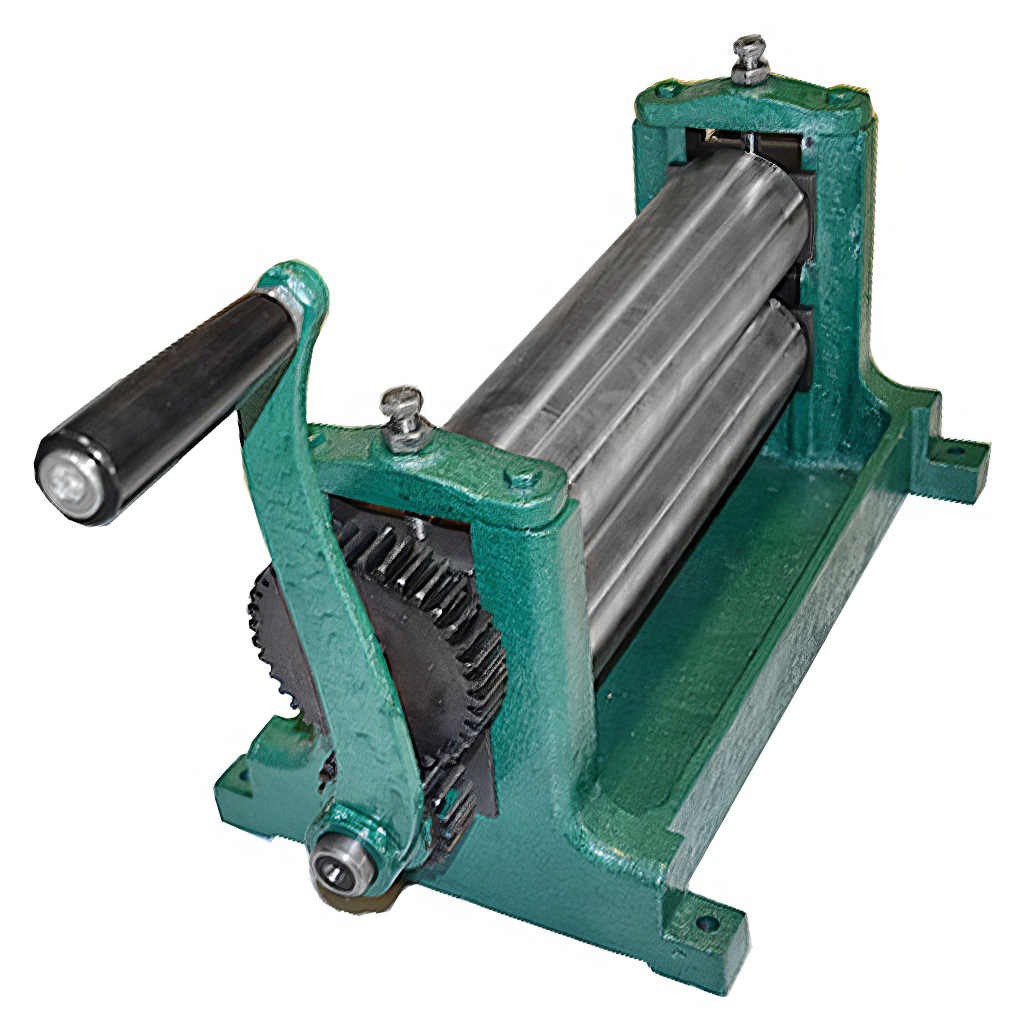
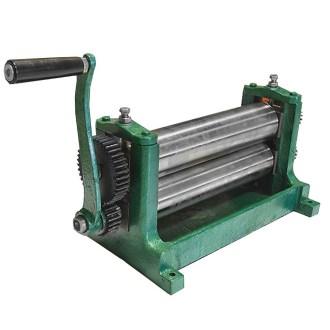
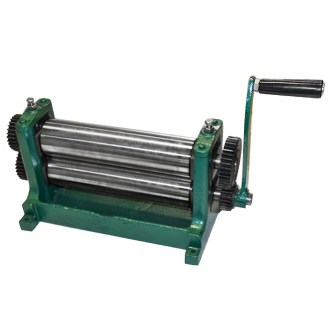
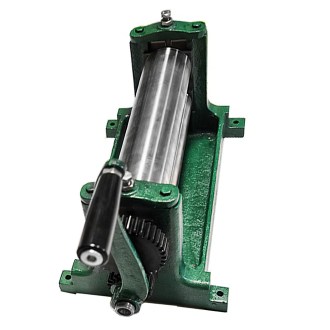
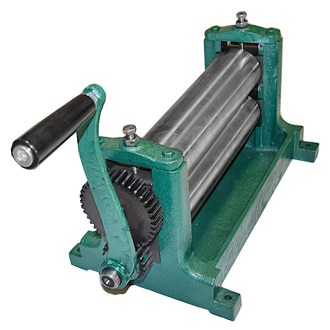
Manual smooth foundation mill is a robust, heavy cast iron machine designed for the first step of wax processing – precise rolling of smooth wax strips without an embossed cell pattern. The work is smooth, simple, and easily controllable. By producing your own foundation sheets, you gain full independence from external foundation suppliers and keep production in your own hands within your own beekeeping operation.

Why it pays off for beekeepers to produce foundation sheets on their own
The greatest advantage of home production is guaranteed health safety. You maintain a closed wax cycle from your own colonies, thereby minimizing the risk of introducing diseases (including American foulbrood) as well as unwanted contaminants that may be present in commercial foundation sheets (paraffin, pesticide residues, etc.). Homemade foundation sheets are also beautifully flexible and pliable – bees usually accept them more readily and build virgin comb on them more quickly.
Equally important is the financial savings. With a larger number of colonies, the investment in a mill pays for itself quickly, and if you also process wax for fellow beekeepers, the payback period can be significantly shortened.
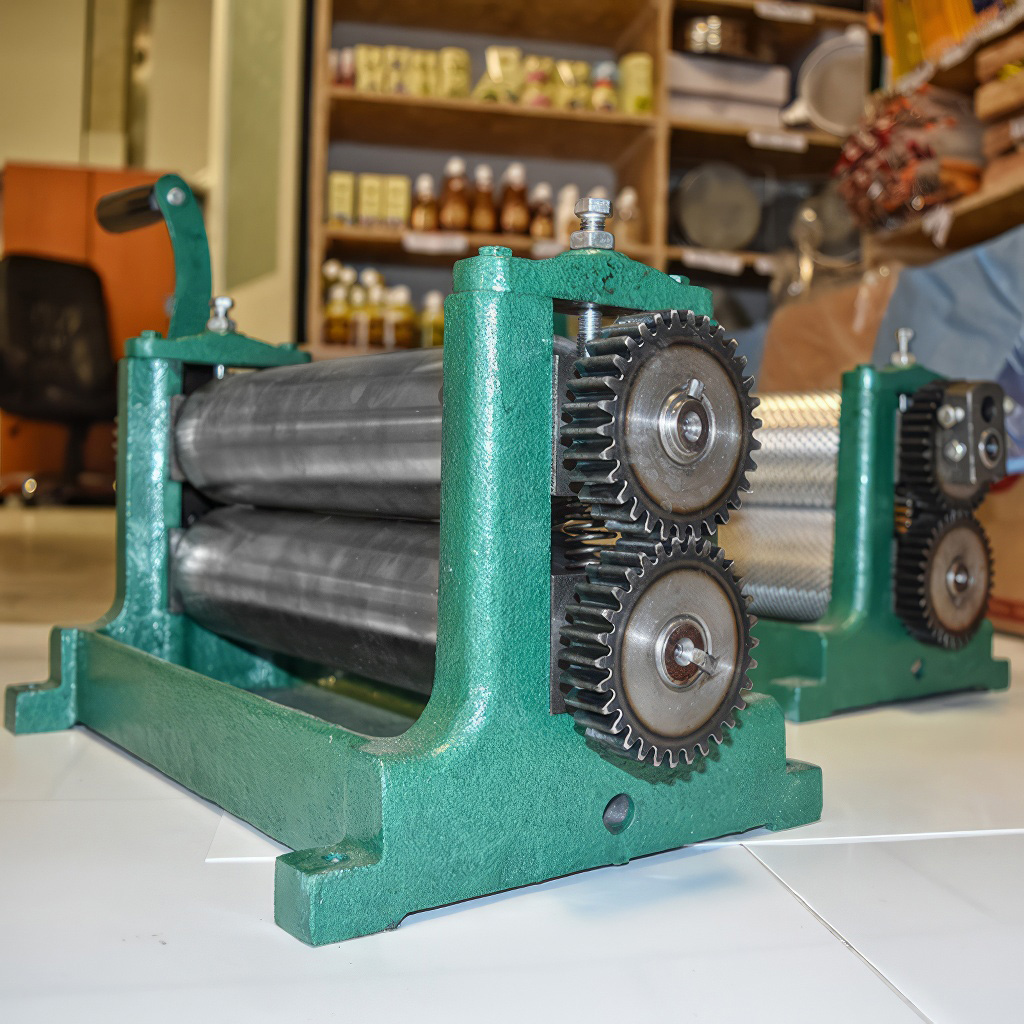
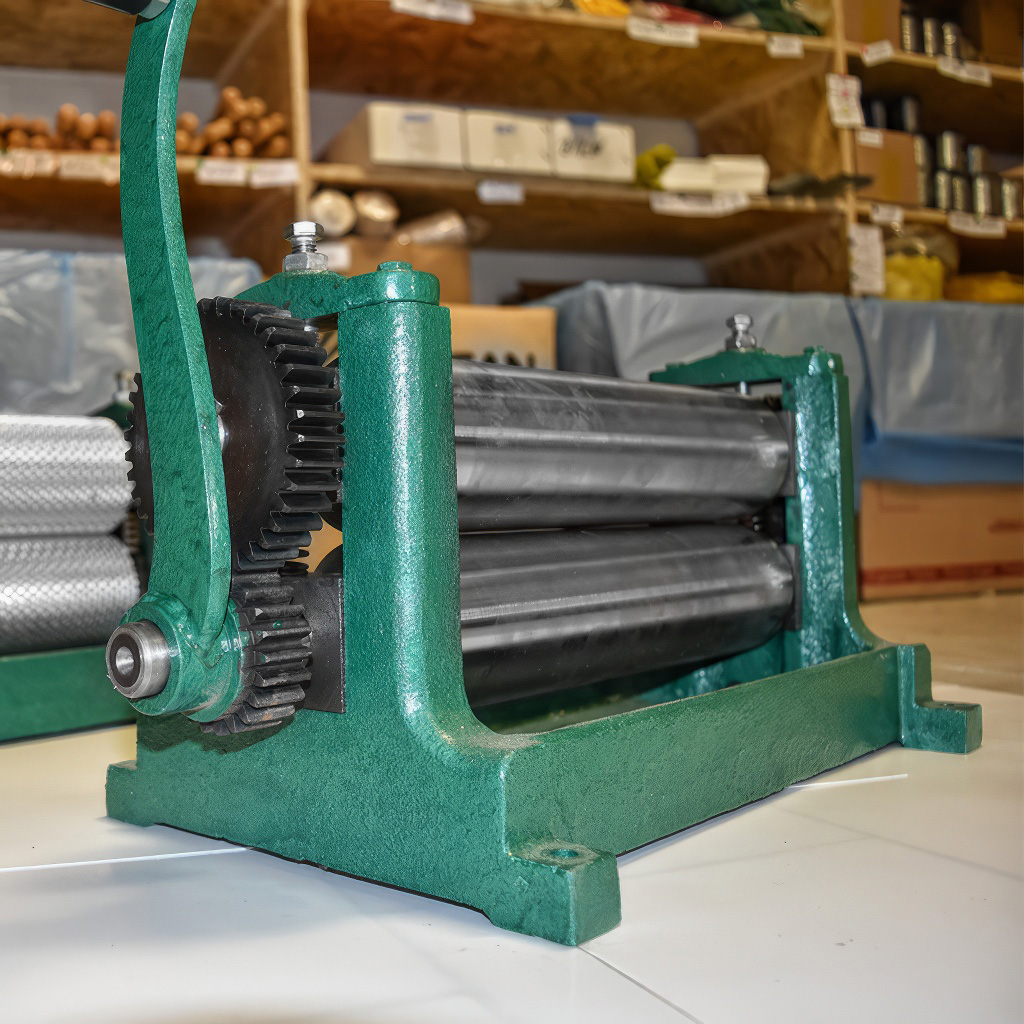
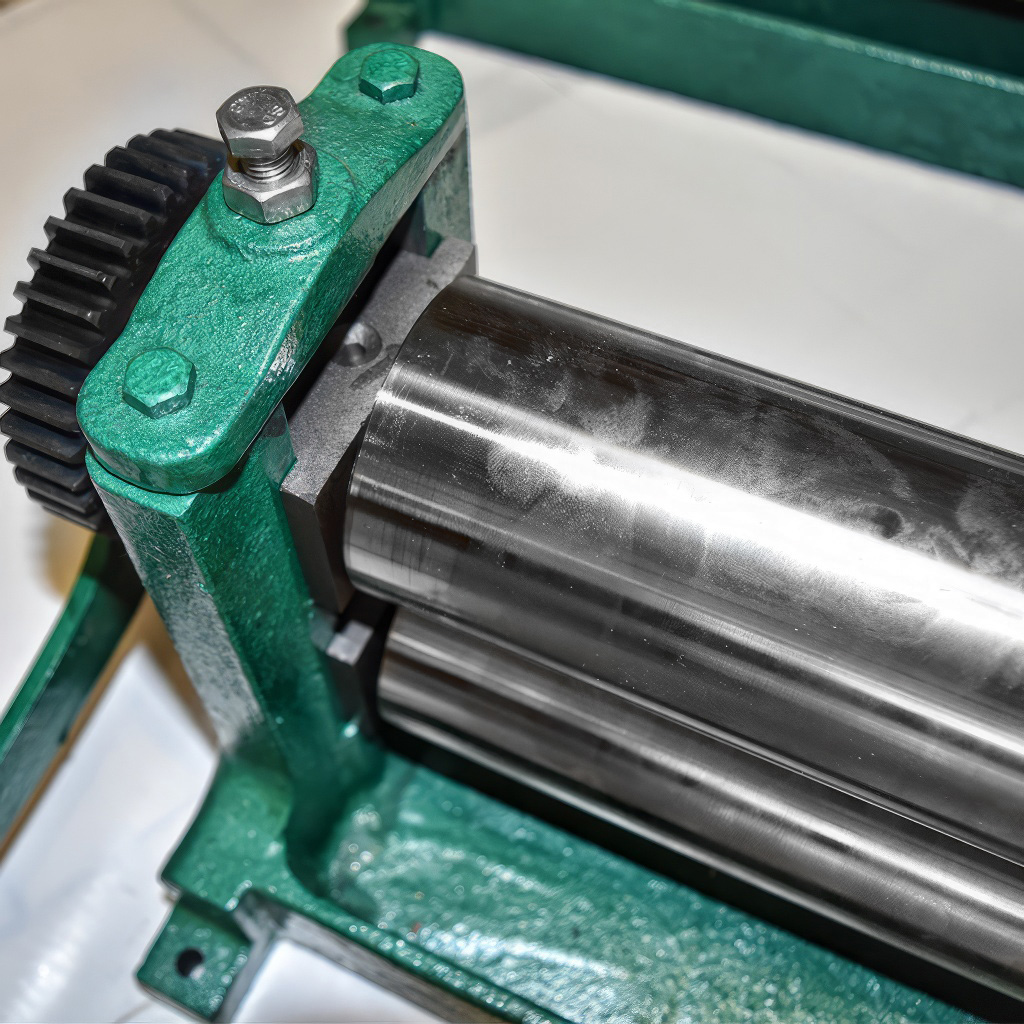
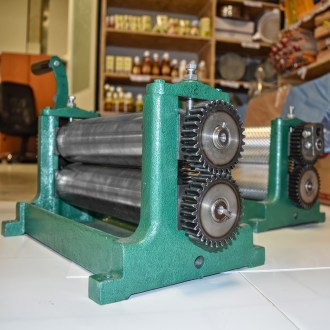
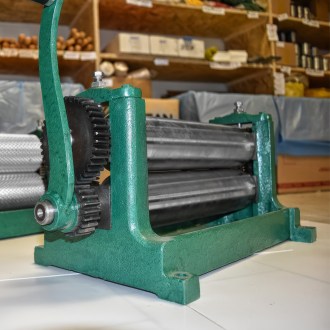
The construction is designed for long service life: the massive cast iron body ensures stability, and the smooth steel rollers provide durability during daily use. This is a piece of equipment that can reliably serve in beekeeping for many years – even across generations.
A significant advantage of this design is the large roller diameter (approx. 73–74 mm). Compared to mills with small rollers (commonly around 30 mm, sometimes even less), the work is noticeably easier and smoother. Operation with a solid crank and gear drive runs smoothly, and with proper adjustment, requires only minimal effort.
Procedure for producing smooth wax strips
Production begins with wax preparation. Pour melted wax into molds (e.g., silicone or Teflon trays) to a thickness of approximately 10 mm. Before casting, it is important to disinfect the wax by boiling at 117 °C for a minimum of one hour. After solidifying, the wax slabs are placed in a container of warm water, where they soften and remain pliable – ideal for subsequent rolling.
The moistened wax slabs are then fed through the smooth mill. To prevent the wax from sticking to the steel rollers, they need to be continuously sprinkled with water or a suitable release agent. Commonly used options in practice include whey, spring emulsion, baby soap emulsion, or a weak honey solution. Sprinkling can be done manually or with a simple circuit using a small pump.
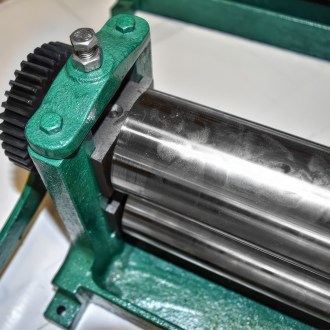
Using the adjustment screws, you can set the gap between the rollers very precisely – including fine-tuning to tenths of a millimeter. Smooth strips are typically rolled to 0.8–1.0 mm (with allowance for subsequent pattern embossing). For your own use, you can also choose 1.0–1.3 mm – bees often accept thicker foundation sheets well and build comb more quickly. When building comb, bees use part of the wax from the foundation sheet (approximately 20–50%) and supplement the rest with their own wax from wax scales. The weight of quality foundation sheets typically ranges between 700–900 g/m².
The rolled strip is manually wound behind the mill onto an auxiliary roller (approx. 150 mm). This creates a roll approximately 4–5 meters long, ready for the next step – feeding through a mill with patterned rollers, which embosses hexagonal cells into the strip. It is precisely this combination of "smooth strip first, then pattern" that typically produces sharper and more precise cell impressions than embossing the pattern directly from a thick wax slab. The finished foundation sheets are then simply cut to the dimensions of the frames (39×24, Langstroth, etc.).

Technical specifications
| Drive | Manual (crank can be removed for storage) |
| Smooth roller diameter | 73 mm (significantly easier operation compared to thin rollers) |
| Roller length | 310 mm |
| Mill weight | 20 kg |
| Cast iron body dimensions (W × D × H) | 395 × 245 × 227 mm |
| Diameter and width of gear wheel pair | 78 mm (diameter) / 22 mm (width) |
| Crank gear wheel diameter / crank diameter | 98 mm / 60 mm |
| Crank (crank length / handle length and diameter) | 260 mm / 106 mm (handle diameter 28 mm) |
| Mounting hole spacing on cast body | 370 × 220 mm |
| Adjustment screws (thickness setting) | M10 × 65 |
| Collection tray dimensions under rollers | 335 × 160 × 50 mm |

Demonstration of working with the mill and equipment details
Watch the demonstration video to see the mill in action, including details of its construction. The smooth operation and massive build quality show why this type of mill is a popular choice for beekeepers who want to keep foundation sheet production under their control.