








Feed
Invert feed has recently become a popular choice for feeding bees. We also offer it to you as a convenient and efficient way to provide nutrition to your colonies, without the need to prepare any sugar syrups. The invert syrup is ready for immediate use — simply pour it into your feeder, or feed directly from the bucket it comes in. We also supply honey-sugar paste, which provides bees with essential vitamins and minerals.

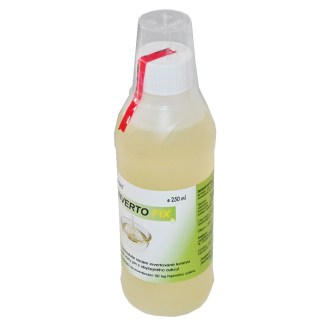
Invertofix 105 g (250 ml solution)
Invertofix is used for converting table sugar into invert syrup. Thanks to the economical and easy-to-use Invertofix solution, we are able to provide the bee colony with fresh feed containing all necessary ingredients.


Invertofix 1000 ml - solution
Invertofix is used for converting table sugar into invert syrup. Thanks to the economical and easy-to-use Invertofix solution, we are able to provide the bee colony with fresh feed containing all necessary ingredients.
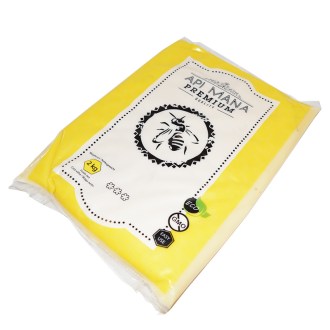
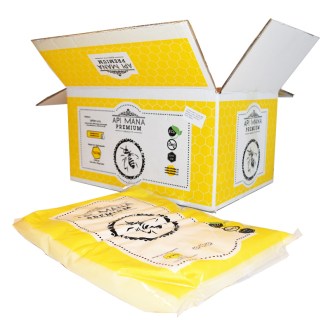
APIMANA DOUGH - 2 kg
APIMANA invert feed is a quality dough made from beet invert
and sugar. It only contains sugars that bees can process and 100% use (fructose,
glucose and sucrose).
APIMANA sugar dough - 840 kg (36 CZK/kg)
APIMANA invert feed is a quality dough made from beet invert
and sugar. It only contains sugars that bees can process and 100% use (fructose,
glucose and sucrose).


APIMANA HIGH PROTEIN - honey-sugar dough 500 g


APIMANA HIGH PROTEIN - honey-sugar dough - 1 kg
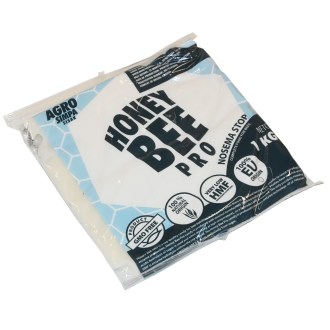

APIMANA NOSEMA STOP - honey-sugar dough - 1 kg
Sugar paste APIMANA NOSEMA STOP - 900 kg
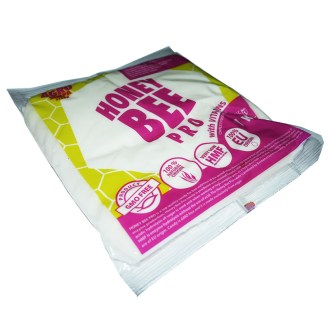
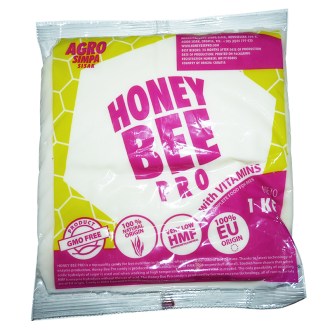
APIMANA VITAMINS dough - 1 kg
Sugar paste APIMANA VITAMINS - 900 kg


APIMANA WITH POLLEN - honey-sugar dough - 1 kg
Sugar paste APIMANA PRO WITH POLLEN - 900 kg
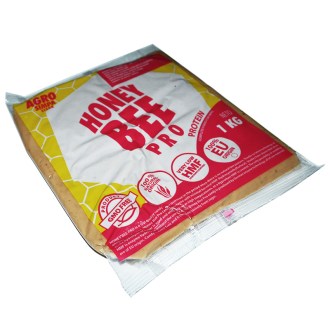
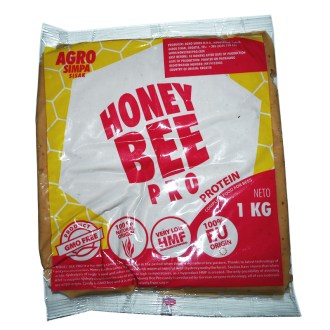
APIMANA PRO PROTEIN – honey-sugar dough with pollen
APIMANA PROTEIN PRO protein patty is used in an early-spring period to stimulate the queen bee.
Fondant APIMANA PRO PROTEIN - 900 kg
APIMANA PROTEIN PRO protein patty is used in an early-spring period to stimulate the queen bee.
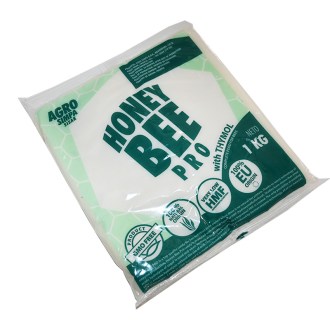
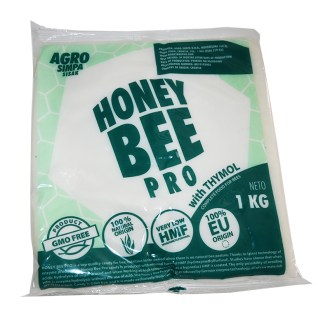
APIMANA PRO THYMO dough - 1 kg
Sugar paste APIMANA PRO THYMO - 900 kg
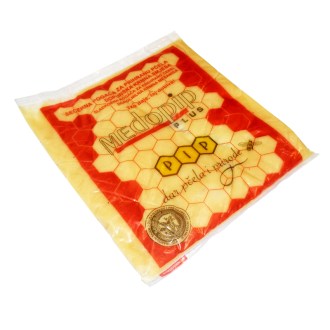

Medopip Plus paste with proteins and vitamins - 1 kg
Medopip feed with pollen in 1 kg package. Perfect for feeding your bees during the winter months! Simply place an adequate size block on top of your crown board.
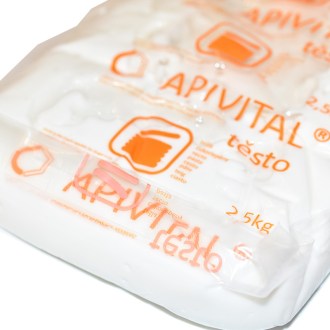
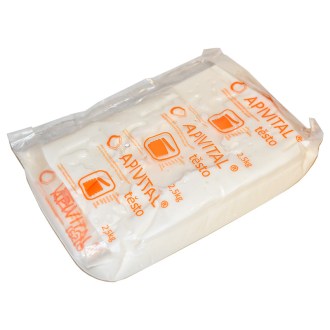
Sugar paste APIVITAL - 2.5 kg (56 CZK/kg)
Perfect for feeding your bees during the winter months! Simply place an adequate size block on top of your crown board.
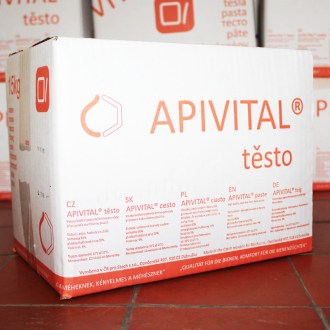
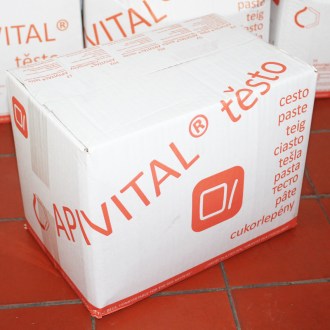
Sugar fondant APIVITAL - 15kg (56 CZK/kg)
Perfect for feeding your bees during the winter months! Simply place an adequate size block on top of your crown board.

Nozevit 50 ml
Nozevit 50 ml is a highly effective dietary supplement for bee colonies that utilizes the power of purely natural substances to fight against nosemosis in bees – a disease caused by parasites Nosema apis and Nosema ceranae.
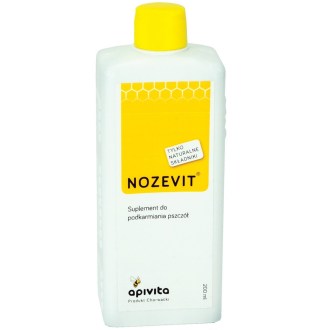
Nozevit 200 ml
Nozevit 200 ml is a highly effective dietary supplement for bee colonies that harnesses the power of purely natural substances to combat nosemosis in bees – a disease caused by the parasites Nosema apis and Nosema ceranae.
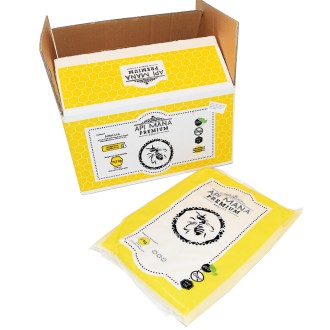
Sugar dough APIMANA - 14 kg (45 CZK/kg)
APIMANA invert feed is a quality dough made from beet invert
and sugar. It only contains sugars that bees can process and 100% use (fructose,
glucose and sucrose).
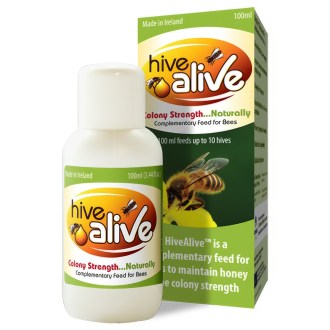
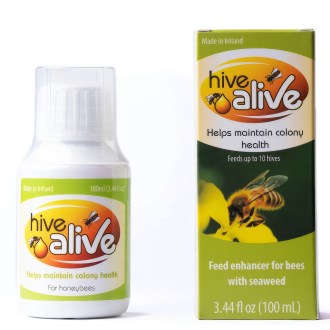
Hive Alive 100ml
HiveAlive™ was developed and manufactured in Ireland after 6 years of internationally validated research. HiveAlive™ uses only natural active ingredients scientifically selected for maximum effectiveness.
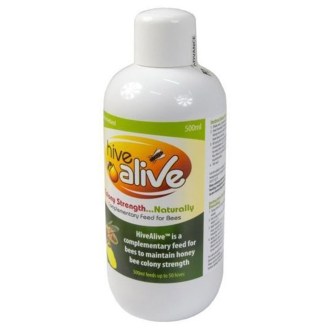
Hive Alive 500ml
HiveAlive™ was developed and manufactured in Ireland after 6 years of internationally validated research. HiveAlive™ uses only natural active ingredients scientifically selected for maximum effectiveness.
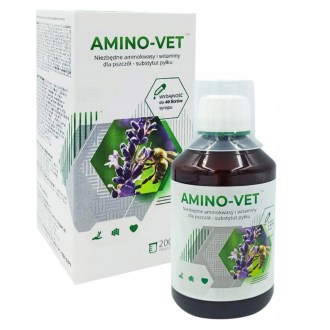
Amino-Vet – 200ml
Provides essential amino acids (proteins). Supplements vitamin deficiencies.
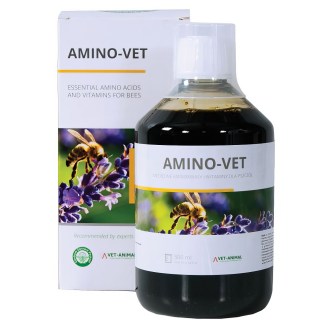
Amino-Vet - 500ml
Provides essential amino acids (proteins). Supplements vitamin deficiencies.

Apilac
Supplementation of vitamins and natural microflora in the bee digestive tract. A supplement for feeding bees with sugar syrup, honey-sugar paste and bee bread substitutes.
Effective Bee Feeding
Feeding bees is a key aspect of beekeeping and essential for ensuring their health and productivity. In the wild, bees primarily consume honey, but for beekeepers, it is often necessary to find alternative feeding methods, especially during the colder months of the year. Let’s take a look at the main feeding options and the advantages and disadvantages of each method.
Honey as Feed
Although honey is the bees’ natural food source, it is not always the ideal option during the winter months. The cost of honey is generally higher than other feeds, and it tends to crystallize, making it harder for bees to consume. Honeydew honey presents another challenge, as it contains polysaccharides and minerals that can cause digestive issues during winter. Furthermore, there is an increased risk of disease transmission through microorganisms present in honey, which can endanger the health of both the colony and the brood.
Sugar as Feed
Refined sucrose, commonly known as sugar, was introduced into beekeeping more than a century ago. Bees can survive on sugar through the winter just as well, if not better, than on honey—particularly in cases where honeydew or fast-crystallizing honey is present. Sugar is usually provided as syrup, mixed in ratios of 1:1, 3:2, or 2:1 with water. Through enzymatic digestion, bees break sucrose down into glucose and fructose, which are more easily digestible. There are, however, ongoing discussions about the quality of available sugars and possible contaminants introduced during production.
Ready-Made Bee Syrups
In recent decades, ready-made syrups specifically formulated for bee feeding have gained popularity among beekeepers. These products contain monosaccharides such as glucose and fructose, as well as sucrose; some also include disaccharides like maltose and maltotriose. They are typically produced from grain starch or sugar derived from sugarcane or beets. Bees readily accept these syrups and digest them efficiently, which helps prevent robbing behavior. Products such as Apikand Premium, Apifortuna, or Ambrosia are usually free from harmful residues of agricultural chemicals and are safe for bees.
Comprehensive Overview of Bee Feeding
Feeding bees is one of the most important elements of successful beekeeping, as it directly affects colony health and survival. Beekeepers can choose from several feeding techniques and feed types, each suited for different times of the year and specific conditions. This article provides an in-depth overview of various bee feeding approaches, highlighting the benefits and drawbacks of each method.
Proportions of Water and Sugar
Ready-to-use syrups offer a significant advantage in ease of use. They generally contain 23–30% water, which reduces the bees’ energy expenditure when transferring the syrup from feeders to comb cells. In the case of homemade sugar syrup (a 3:2 sugar-to-water ratio), bees may use up to 10% of the sugar’s energy to evaporate the excess water.
Despite the clear benefits of prepared syrups, there have been cases of poorly overwintered colonies that led to false assumptions regarding their harmfulness. In reality, such problems are often caused by varroa infestations or improper colony management.
Methods of Syrup Application
Bee syrup feeding is typically carried out using different types of feeders. The most common ones include side feeders, frame feeders, and top feeders. Top feeders are particularly convenient, as they allow for easier handling and maintenance. Experiments have been conducted with hose systems for automatic syrup refilling, but these are still in the experimental phase.
Feeding in the evening hours is a strategic choice, as it reduces the risk of robbing between colonies. Bees tend to be calmer at night, which helps prevent encounters with nearby colonies and minimizes potential attacks on hives.
Honey Stores in Winter
Beekeepers generally believe that maintaining a certain portion of honey within the winter stores improves overwintering success and spring colony development. Honey reserves containing pollen grains are thought to provide vital proteins necessary for the development of the spring generation of worker bees and brood rearing.
Bee Candy (Honey-Sugar Dough)
In addition to syrups, feed doughs are also used for bee nutrition. These doughs may include various additives such as vitamins, pollen, and yeast. Prepared dough provides bees with valuable energy and protein support during early spring when natural food sources might be scarce.
Feed doughs are usually made from fine powdered sugar mixed with honey or syrup. Commercially available bee doughs, like those produced by Lysoń, offer a wide range of options, including variants enriched with thymol or vitamins.
Feeding with Dry Sugar
As early as the 1960s, researchers experimented with feeding bees moistened dry sugar, but the results were not groundbreaking. Today, some beekeepers experiment with mixing sugar and wine vinegar to increase the plasticity of the mixture, which helps bees utilize sugar by absorbing hive moisture.
Feeding management is a vital beekeeping activity that requires thoughtful planning. Choosing the right feed mixture at the proper time can significantly impact the colony’s overwintering success and overall health. Whether beekeepers choose ready-made syrups, candy, or other feeding methods, it is essential to monitor the colony’s condition and adjust feeding practices according to seasonal needs throughout the year.