









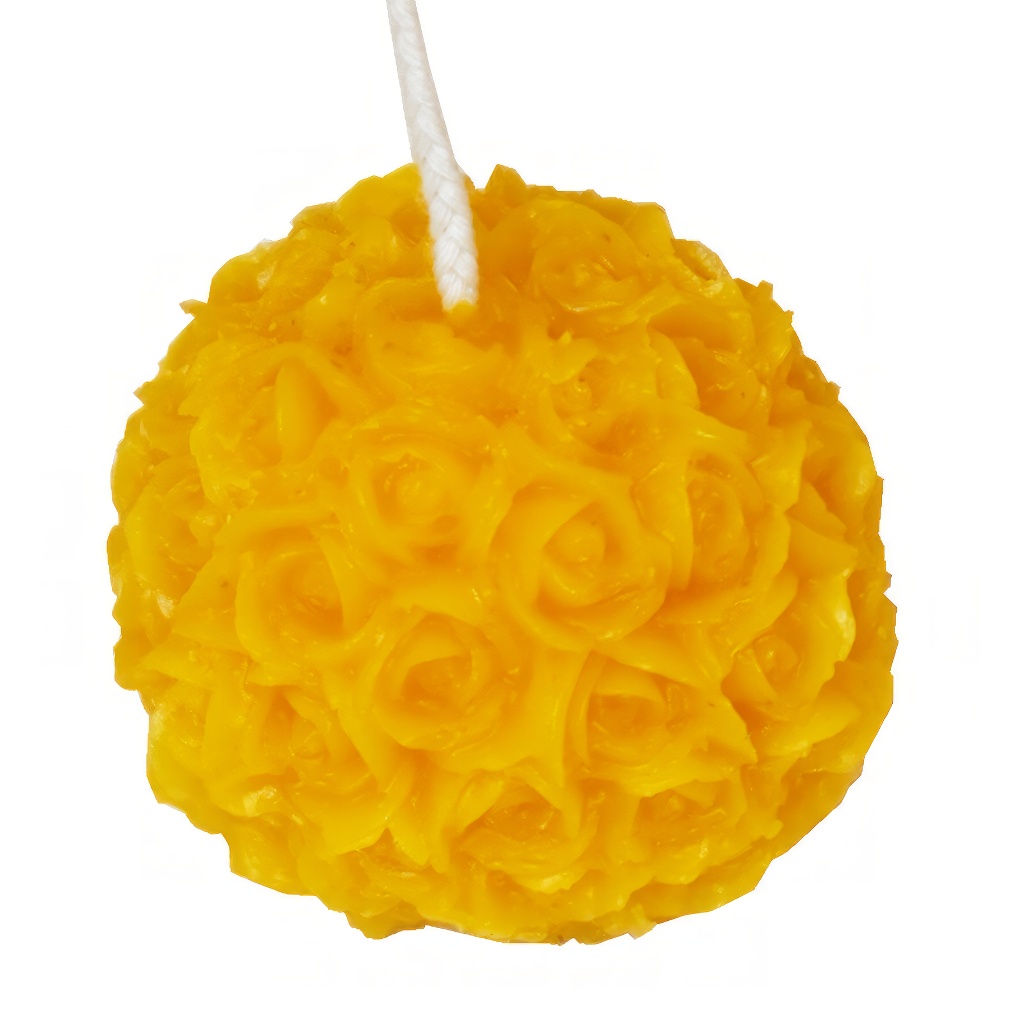
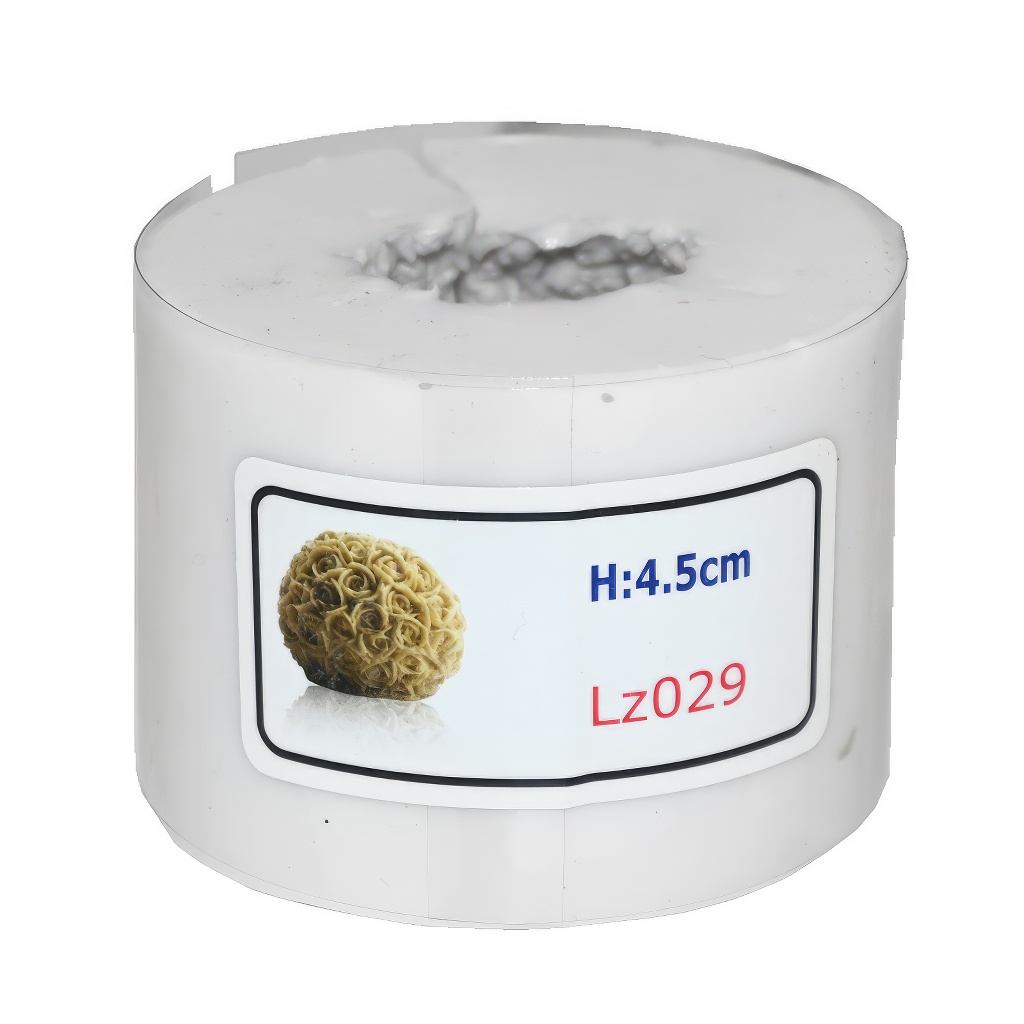
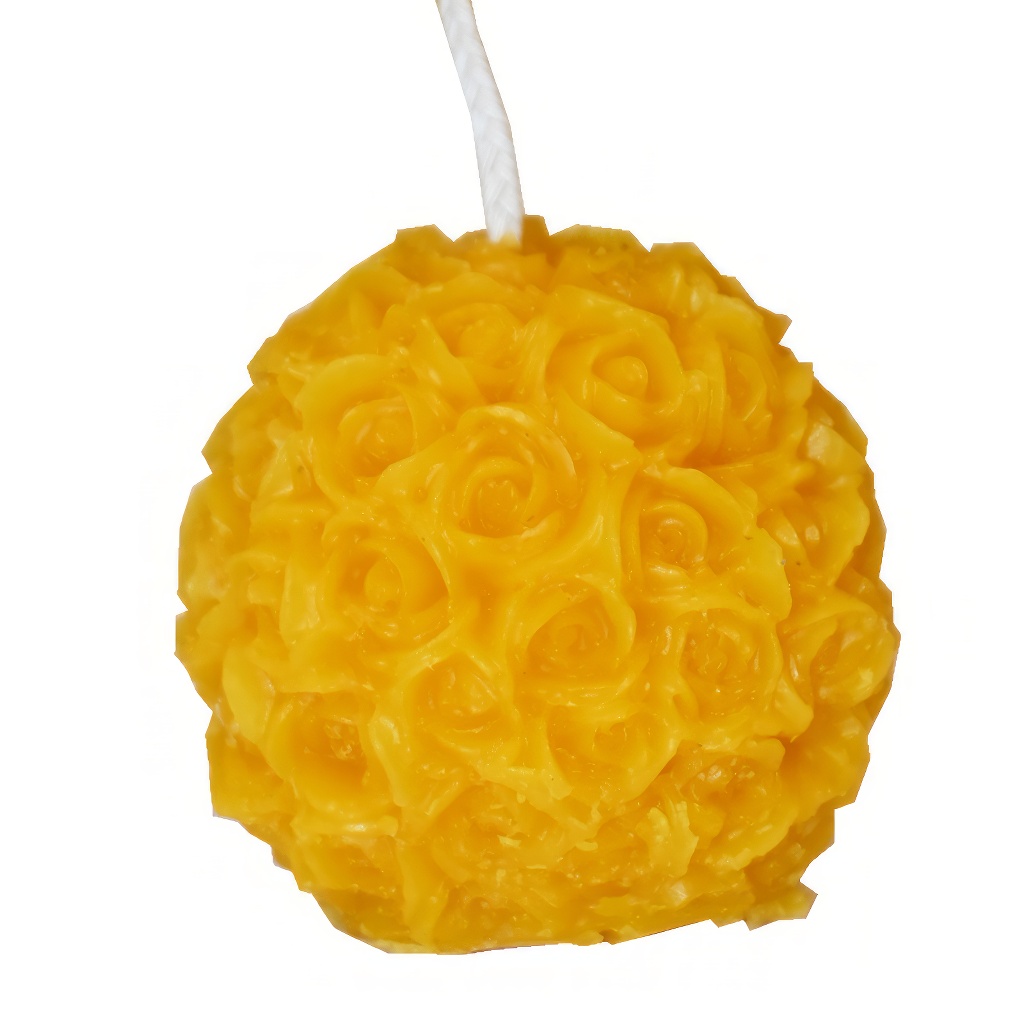
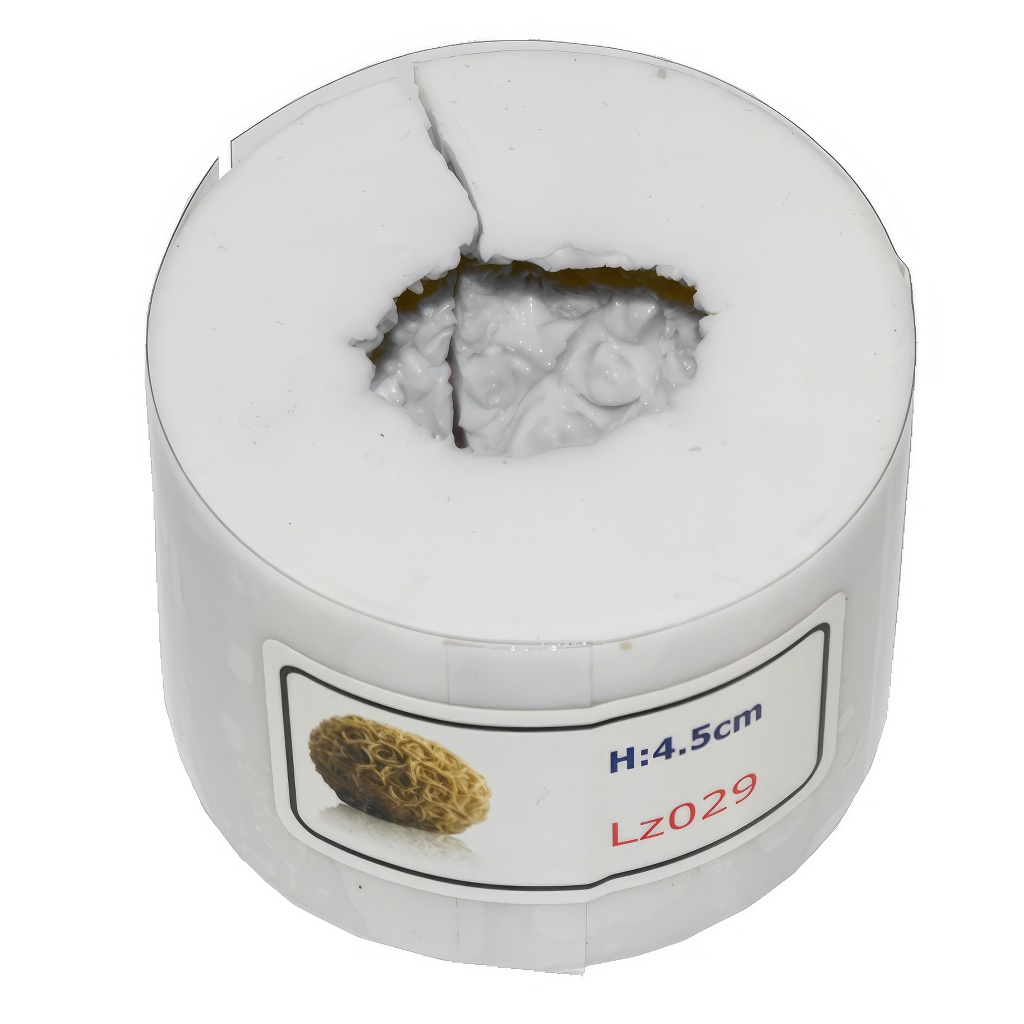


Silicone candle mold LZ029
 In stock

Silicone mold for candles. Silicone mold for homemade candles from beeswax or paraffin. It is reusable mold. Size:

Silicone molds for beeswax candles type - LZ029
The silicone mold is used for casting beeswax candles. The molds are made of high-quality silicone that can easily withstand the temperature of melted wax. Silicone molds are usually made from a single piece that is slit to allow easy removal of the candle. The slit in the mold also serves for inserting the wick. The molds are designed for repeated use.
Silicone molds are suitable for casting wax, soap, plaster, resin, etc.
How to make beeswax candles.
Before the first use, or if the mold has not been used for a long time, wash it. Silicone oil may be released and needs to be washed off, for example with spring water or wiped with a cloth soaked in alcohol.
Do not forget to secure the wick properly. A simple rubber band, which is supplied with the mold, is used to hold the mold together. If necessary, use more rubber bands. Round rubber bands are not suitable, as they tend to slide down on conical molds. For larger molds, rubber bands are not suitable and it is better to use string wrapped around the mold several times, or stretch wrap can be used.
Pour beeswax into the silicone mold at approximately 70–75 °C. Adjust the temperature according to the wax used and the manufacturer's instructions; do not overheat the wax unnecessarily. As the wax cools in the mold, its volume shrinks. At the same time, the wax tends to adhere to the edges of the mold as it solidifies. The final shape of the candle is therefore somewhat dependent on the flexibility of the mold material. It may help to pierce the center of the mold during solidification and then top up the hole with more wax.
Sometimes there may be a problem if the mold has cavities and it is a very complex mold. Due to wax shrinkage, volume is lost from these areas. The result is unfilled protruding parts. You can solve this problem by first pre-pouring these parts with a small amount of wax.