









Wax
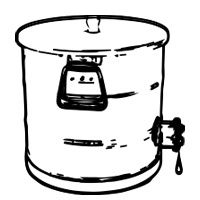
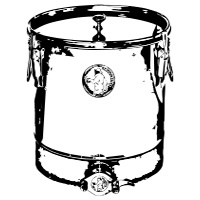
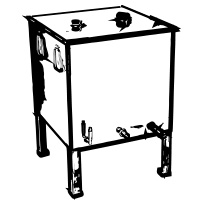
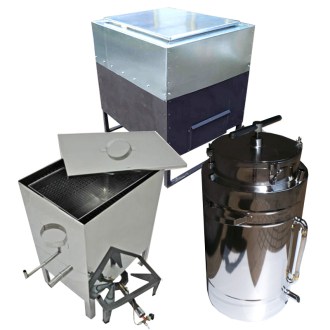
Beekeeping tools for working with wax, such as wax melters, stainless steel or plastic melting tanks, and solar wax extractors, make it easy to process and remelt beeswax. If you are a smaller-scale beekeeper, a solar wax extractor will certainly meet your needs. However, if you manage a larger number of colonies, we recommend investing in a more robust device such as a wax melter, which will greatly simplify your wax processing. Our wax melters are available in a wide variety of shapes, sizes, and capacities. You can also choose among different energy sources, including electricity, gas, or wood. The range of wax-processing tools also includes bags and molds.


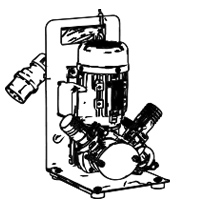
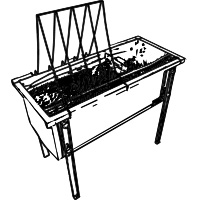
Wax extractor - Lysoň
It is an extremely useful device for effectively separating wax from honey. This is especially important for large apiaries where the amount of produced honey is significant. With this device, the uncapping process is much simpler and more efficient.


Auger conveyor 230V for uncapping machines
Thanks to the solid construction made of high-quality stainless steel and advanced functions, this conveyor ensures reliability and precision in the transfer of cappings. This device will certainly meet the expectations of even the most demanding beekeepers and will become one of the favorite equipment in the workshop.
Soap with honey
No, this soap should not be eaten, even if it probably tastes like honey. Its pleasant fragrance remains long on the skin and makes it beautifully relaxed, especially if you use the soap in shower.
Your skin is wonderfully smooth, much smoother than before, after using this soap. The very gentle composition of the soap makes it ideal for the care of a sensitive skin or a baby skin, which could have been irritated by other soaps.

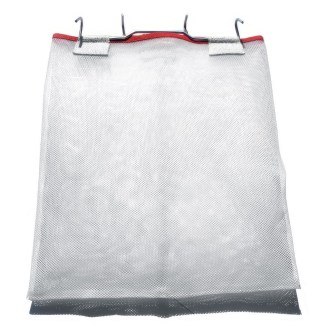
Red band sieve
Red band sieve for honey extraction from uncapped caps. Fill up sieve and hang it to honey extractor. Please use two sieves at once for better balance.
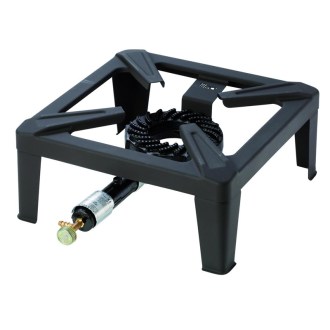
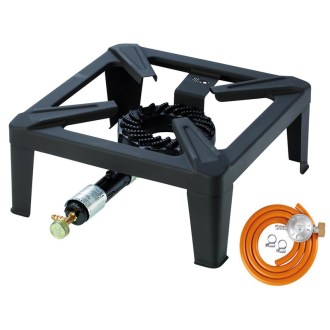
Gas burner 7 kW
Gas burner for wax melters. Weight 5,2 kg, working press 30 Mbar, consumption 0,505 kg/h.


Industrial burner Triglav 9 kW propane cast iron
Industrial propane-butane burner is designed for large-capacity heating and is ideal for beekeepers, builders, road workers, and farmers. It is also practical for home butchering, feed preparation, and similar activities.
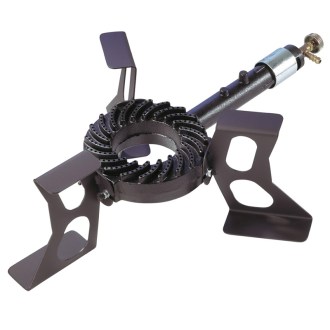
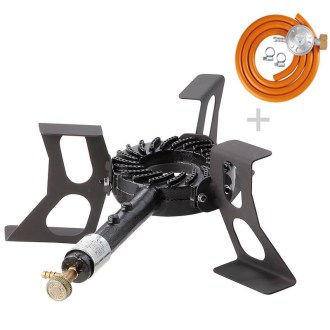
Gas burner 7,5 kW
Gas burner for wax melters. Weight 5,7 kg, working press 30 Mbar, consumption 0,54 kg/h.


Wax melter with 2 steam generator
Dimension: 57 x 40 x 55 cm. This melter is entirely made of stainless steel. It is intended for melting comb wax to be worked into pure wax. Wax cappings obtained during uncapping can also be melted. The melter works with
steam generator (included).


Wax melter with 1 steam generator
Dimension: 57 x 34 x 40 cm. This melter is entirely made of stainless steel. It is intended for melting comb wax to be worked into pure wax. Wax cappings obtained during uncapping can also be melted. The melter works with
steam generator (included).


Wax melting boiler - all stainless steel wax melter
A wax melting tank is an indispensable helper for every beekeeper who cares about efficient processing of beeswax and quality treatment of beekeeping equipment. This professional melter is designed primarily for melting combs (wax) in a hot water bath, which is a proven method for obtaining clean beeswax with maximum yield.


Wax melter and paraffin applicator - improved
Enhanced wax melting and paraffin coating boiler with stainless steel tank. Large-capacity boiler for melting wax combs, whole frames, or paraffin coating of supers. For larger apiaries...
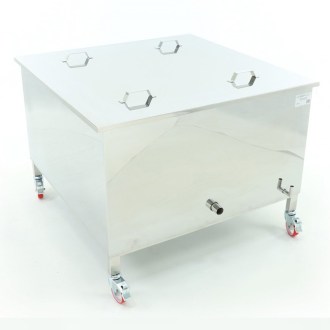
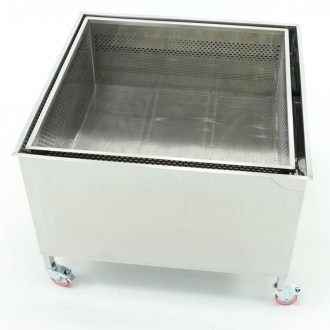
Wax melter with gas burner - stainless steel - Max
Gas wax melter is a useful tool when you want to melt down the combs or cappings you`ll collect during extraction. Set includes gas burner with thermocouple and spark gap igniter.

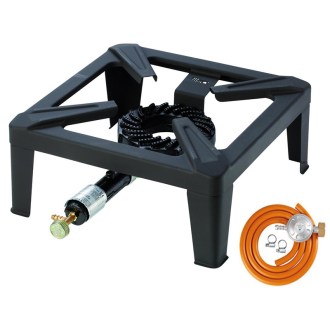
Wax melter - small
Wax melter, stainless steel, capacity approx 10 frame. A gas burner is not supplied with the wax melter.
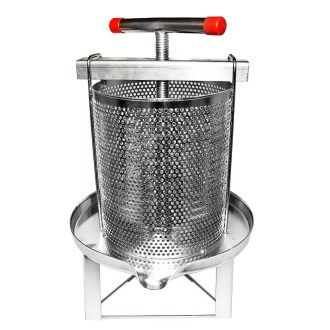
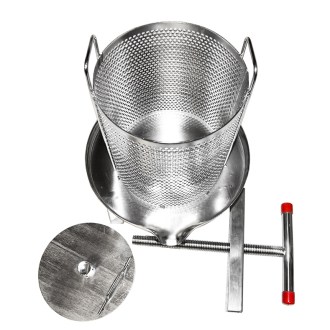
Manual press - for honey and fruit - stainless steel - 38 x 34 cm - 10 l
Stainless steel hand press that can be used for pressing
wax or honey. Likewise, you can use it for pressing fruit or for a number of others
activities.
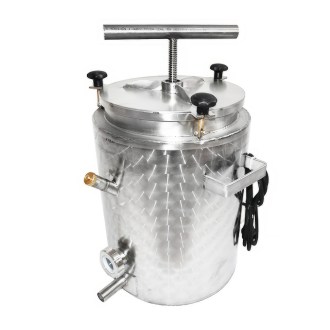

Wax melter with press 35L - electric 230V
All-stainless steel beeswax melter is a double-walled container with an inserted basket and press. Material is stainless steel 1.4301 with thickness of 2 to 5mm, volume of the melter is 35 liters. External dimensions 400 x 500 mm (diameter x height).


Wax melter with press 35l
Stainless steel beeswax melter is a double-walled container with an inserted basket and press.
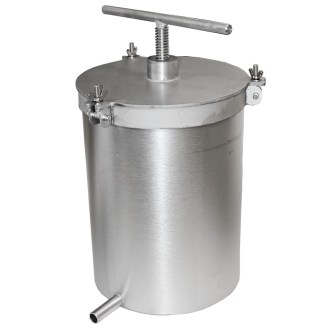
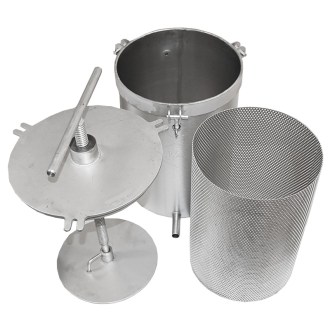
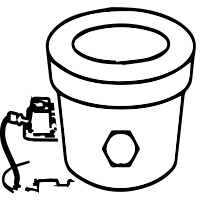
Economy round wax melter with press
Diameter 25 cm, height 37 cm. This melter is entirely made of thermo plastic. It is intended for melting comb wax to be worked into pure wax. Wax cappings obtained during uncapping can also be melted. The melter works with
steam generator (included).
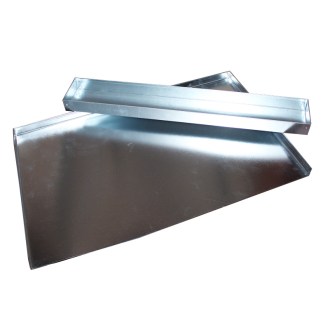
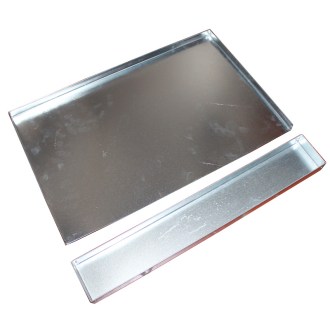
Insertion for solar wax melter - galvanized
Solar melter will make it easier and easier to work with frames used
old foams and beeswax processing.
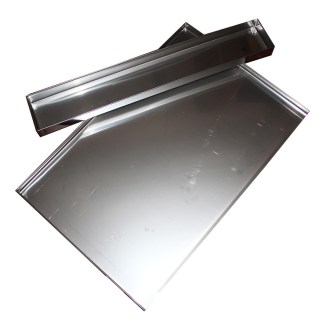
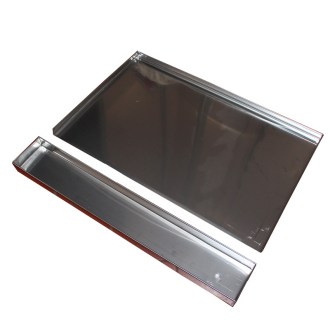
Insertion for solar wax melter - stainless steel
Solar melter will make it easier and easier to work with frames used
old foams and beeswax processing.


Insertion with strainer for solar wax melter - stainless steel
Metal set for solar wax melter improved with a sieve along the entire length of the insert. The melted wax will thus be directly freed from larger impurities.
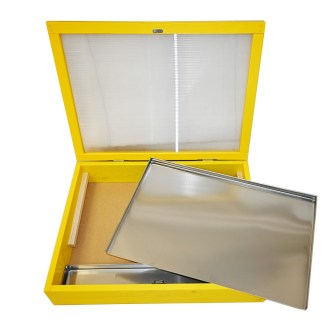
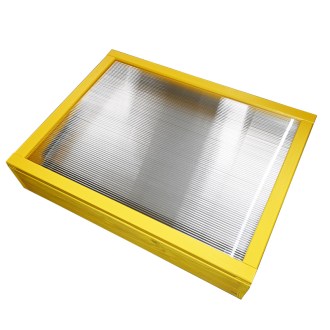
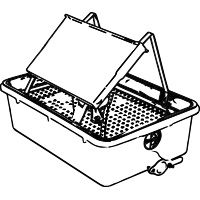
Stainless steel solar wax melter for 2 frames
Polycarbonate solar melter will make it easier for you to work with frames and molds you want to paint. The melter is intended for easy processing of the beeswax. On a sunny day, we simply remove the melter into a sunny place, turn it towards the sun, and place it under a slight angle so that the wax flows a lot into the cabinet.


Stainless steel solar wax melter with strainer for 2 frames
Polycarbonate solar melter will make it easier for you to work with frames and molds you want to paint. The melter is intended for easy processing of the beeswax. On a sunny day, we simply remove the melter into a sunny place, turn it towards the sun, and place it under a slight angle so that the wax flows a lot into the cabinet.
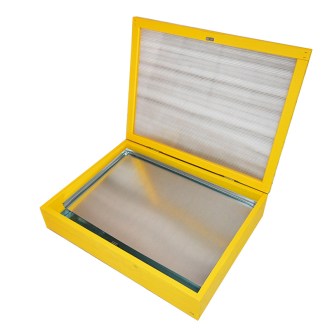
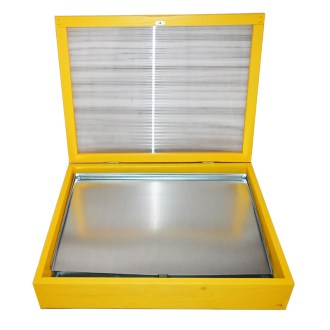
Galvanized solar wax melter for 2 frames
Polycarbonate solar melter will make it easier for you to work with frames and molds you want to paint. The melter is intended for easy processing of the beeswax. On a sunny day, we simply remove the melter into a sunny place, turn it towards the sun, and place it under a slight angle so that the wax flows a lot into the cabinet. Wax usually starts to quickly melt. For the use of melter, outdoor temperatures of 20 to 30 ° C should be available, and after about 15-20 minutes the traction starts and in 25-35 minutes th
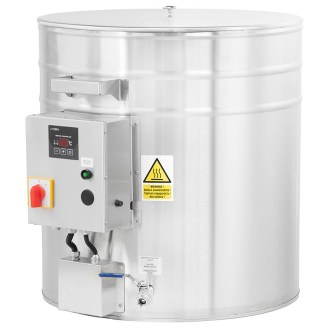

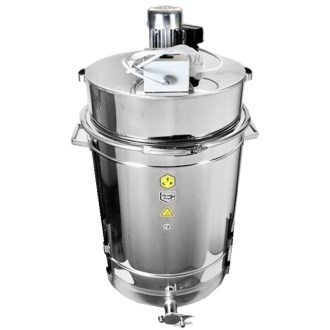
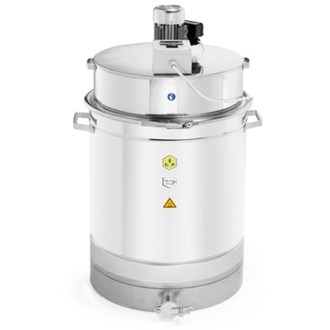
Wax melter, water-based - Lyson 230 V
Beeswax obtained in the apiary can be reused because it is an excellent raw material for further processing. It is most commonly used for making foundation sheets, but candles can also be made or it can simply be resold in the form of discs. However, professional water-based melting equipment is needed to convert contaminated uncapped wax into clean wax.
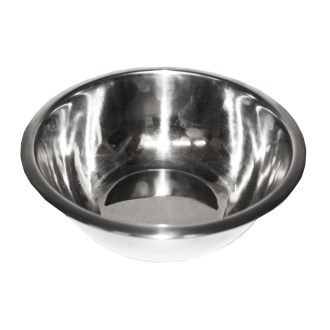
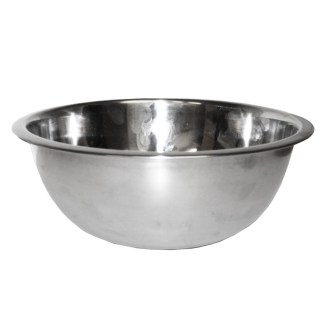
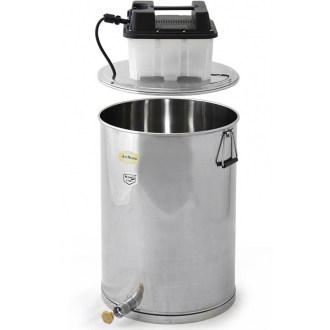
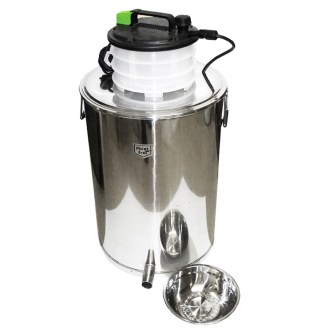
Round wax melter with steam generator
Diameter 43 cm, height 65 cm. This melter is entirely made of stainless steel. It is intended for melting comb wax to be worked into pure wax. Wax cappings obtained during uncapping can also be melted. The melter works with
steam generator (included).

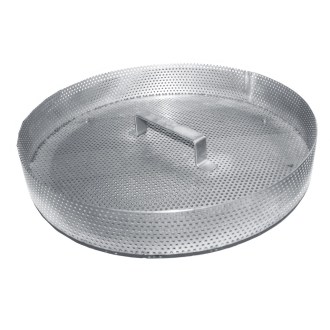
Sieve for plastic round wax melter
Sieve for plastic round wax melter, diameter 40 cm. Made of stainless steel.


Bag for using in wax melter - big - 62 x 50 cm
The brewing bag is made of soft and thin cloth. The bag captures dirt from the wax and helps you with refining. Waxing is then easier and you will get a beautifully clean wax after melting.
Beeswax: From Harvesting to Its Versatile Uses
Beeswax is a valuable product of beekeeping, produced by bees to store honey, pollen, and serve as a building material for brood cells. This natural substance offers a wide range of uses—from candle making and cosmetics to beekeeping foundations.
Production and Properties of Beeswax
Beeswax is secreted by the eighth pair of wax glands located on the underside of a worker bee’s abdomen. These glands form tiny wax scales, which are transferred to the worker’s forelegs and mixed with saliva. The resulting material is malleable and suitable for constructing honeycombs. Beeswax is chemically complex, comprising more than 250 different compounds that give it unique characteristics. Its relatively low melting point—around 63 °C—makes it easy to process and reuse.
Processing Beeswax
The main goal of wax processing is to obtain clean and impurity-free beeswax. Various techniques can be used, including solar and steam melters. Solar melters utilize sunlight, while steam devices can be operated year-round thanks to electric or gas heating. Once melted and purified, beeswax can be reprocessed into foundations, candles, or even soaps.
It is essential that wax products such as foundation sheets are of high quality. Foundations made from pure beeswax are flexible and durable. Investing in a good-quality foundation mold pays off, thanks to its ease of use and efficient cooling.
Methods of Beeswax Extraction
Wax extraction often poses a challenge for many beekeepers. Wax yield represents only a small fraction compared to honey, and traditional methods can leave up to half of the wax in the residue. Studies show that different extraction methods vary in efficiency, though their principles have remained similar for decades. The use of presses, for example, improves yield by freeing wax trapped in the cocoon remnants.
Basic Methods of Beeswax Extraction
There are several ways to extract wax from old combs and foundations:
Traditional boiling and pressing: Pieces of comb are boiled in a large container of water, then the wax is pressed through cloth bags to separate impurities.
Steam extraction: Commonly used for foundations, this method employs steam devices operating with two connected chambers, allowing the wax to separate efficiently.
Solar wax melter: Ideal for processing smaller quantities, it uses solar energy to melt the wax, which then drains into a collection tray.
Manual extraction: In this process, raw wax is soaked in water, boiled, then manually pressed and filtered to remove remaining impurities.
Each method has its pros and cons. Solar melters are environmentally friendly but suitable only for small volumes. Electric wax melters, on the other hand, offer fast and efficient processing but require a higher initial investment.
Wax Extraction: Tips for Beekeepers
1. Traditional Solar Melter
A solar melter is a simple device that uses solar power to melt wax. It is popular due to its low cost and environmental benefits. It works best for clean combs, such as new bright wax. The downside is lower efficiency and dependence on sunlight.
2. Steam-Melting Method
Steam is a powerful tool for melting wax, especially useful for older, darker combs. The process requires a steam-generating device, such as a pressure cooker or steamer, connected by a hose to a wax chamber. This setup represents a larger investment but ensures a higher wax yield.
3. Combined Steam and Press Method
To maximize yield, a pressing mechanism can be added. Pressing helps extract residual wax from cocoon remnants, which is especially valuable when processing old, debris-filled combs. This combination reduces waste and improves the purity of the obtained wax.
4. Melting in a Potato Steamer
This method suits small-scale beekeepers. Combs are bundled together and steamed until the wax is released. The approach is simple and relatively safe, using only minimal water while keeping the frames easy to clean afterward.
5. Modern Technical Solutions
Commercially available electric wax melters can greatly simplify the process. These devices often feature temperature control and the ability to melt multiple frames at once, making wax processing more efficient.
6. Using Old Appliances
Applying recycling principles, some beekeepers repurpose old household appliances such as microwaves or tea boilers as heat sources for melting wax. With the right modifications, these devices can be integrated into your wax-melting setup, helping reduce costs and reuse existing equipment.
Uses of Beeswax
Beeswax has a broad range of applications:
Cosmetics and skincare: Its water-resistant properties make it ideal for balms and creams.
Crafting: Commonly used in candle making and decorative arts.
Pharmaceuticals: Utilized as a coating agent for pills and tablets.
Food industry: Serves as a protective coating for certain cheeses and food products.
Yield and quality of beeswax vary depending on the extraction method used.
Beeswax is an essential element of beekeeping products. Its extraction requires skill and the right equipment to maximize both yield and purity. The versatility of beeswax—from food preservation to cosmetics—highlights its value in modern beekeeping practices. Ongoing innovations in extraction methods promise greater efficiency and broader use of this valuable natural resource.
Wax extraction is a crucial part of sustainable beekeeping. Each method offers distinct benefits and limitations, and the optimal choice depends on your needs, available resources, and the size of your apiary. Experimenting with techniques will help you discover the most suitable method for your conditions. Always prioritize safety, especially when handling hot liquids and steam. Beekeeping is both an art and a craft, offering rewards not only in honey but also in the beautifully processed wax you produce.