








Queen rearing kits
Queen rearing is a key aspect of successful beekeeping, ensuring the health and vitality of bee colonies. We offer a wide range of specialized tools designed to simplify queen care and ensure safe breeding. Our wooden and plastic introduction cages make it easy to integrate new queens into the hive. Queen cell cups and their holders are designed to optimally support queen development. The queen rearing kits include everything needed for an efficient breeding process. The mould for queen cell cups guarantees the production of perfectly shaped cells for new queens.

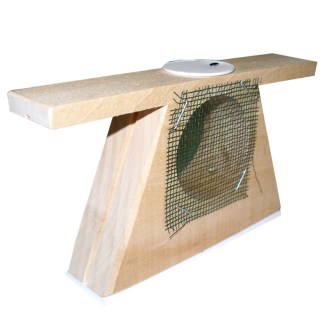
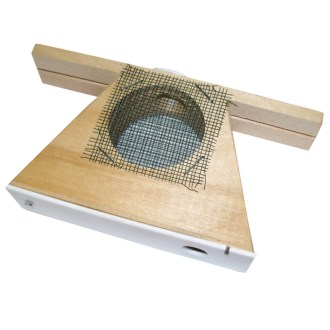
Wooden queen introduction cage
Classic beehive addition cage. The wooden cage for the
addition of mothers is solved so that in the lateral part there are holes with a
diameter of 35 mm and covered with a wire cloth.
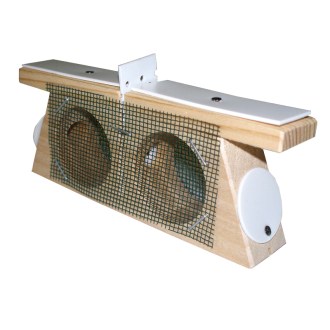
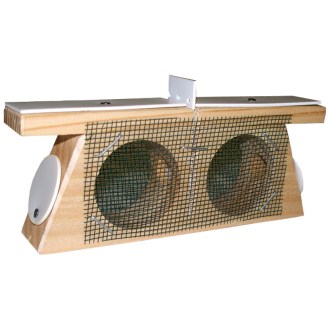
Double wooden queen introduction cage
Classical beehive double hive box cage. A wooden cage is intended
for the queen when applying the method of temporarily leaving the old queen in
the beehive. The standard double cage is enriched with two circular holes that
are covered with wire mesh.
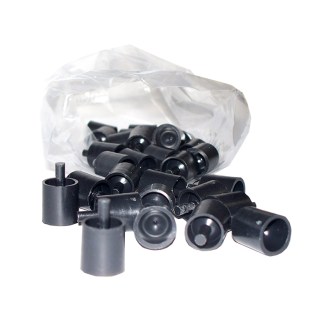
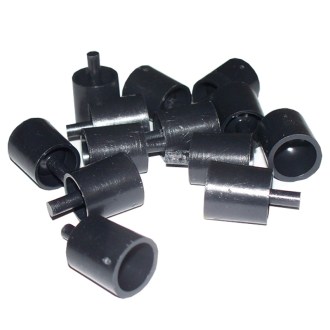
Base plastic cells with a pin 30 pcs.
Colored base plastic cells - 30 pieces - different colors. Base plastic cells is a suitable tool breeding of bee queens.
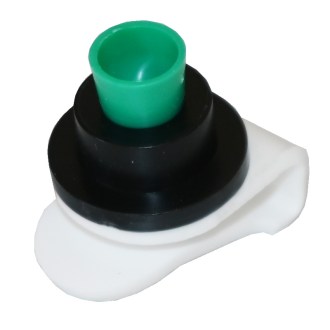
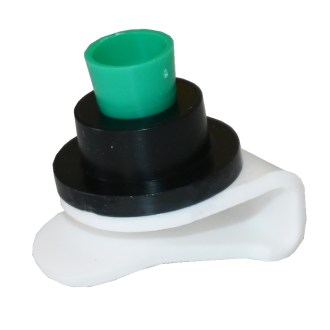
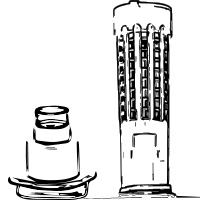
Holder for queen cell set - imgut - 10 pcs.
Bases cells vasilotrofias plastic drawer. Another variant of the artificial queen cell this time called Imgut. It is a plastic mattress with a simple clip that makes it easy to fasten on a wooden railing without any problems.
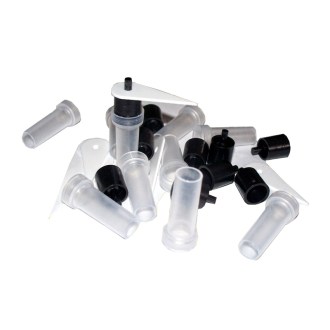
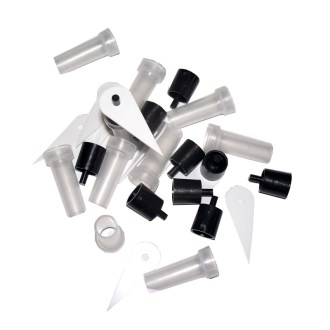
Plastic queen cells set of 10 pieces
Artificial queen cells, which perfectly replaces the true bee queen cell. A complete 10-piece queen cell set is a practical tool that saves a lot of time. The set consists of four parts: a plastic molding, starter cup with pin, holder of cell cup holder and queen cells.
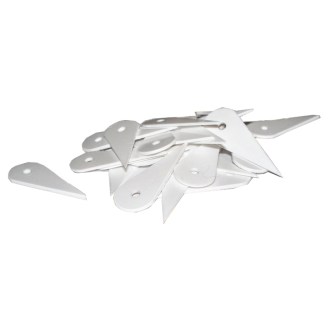
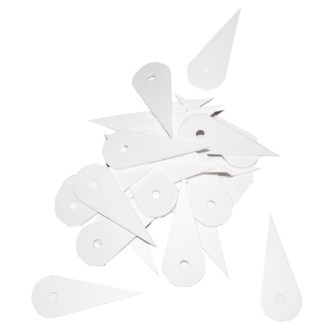
Base plastic cell holder 30pcs
The plastic cell holder (30 pieces in the package) is
an aid to an easy quick fix of the plastic cell with a pin. Plastic cells just
need to be inserted into the hole in the holder.
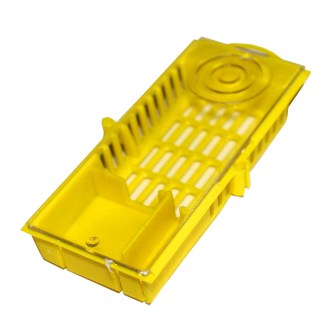
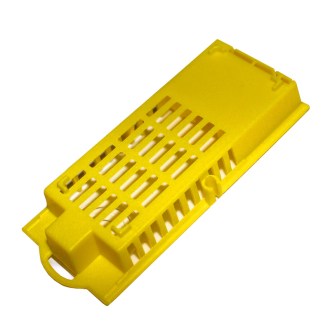
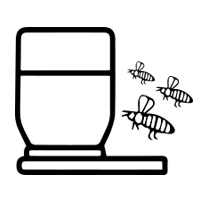
Queen cage with transparent lid
The Queen cage with transparent lid consists of two parts with a space for
queen and honey. The release of the bee queen takes about two days. The
shipping cage on the bee queen is also very good for adding queen and is
very good among the frame.
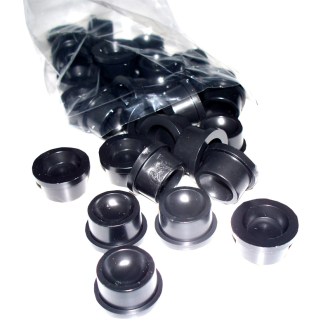
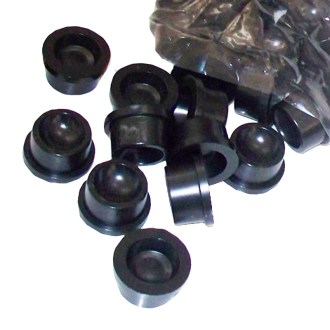
Breeding plug for queen cell 30 pcs
Breeding plug is a practical utility for breeding queen. The breeding plug is glued with beeswax on the rails. The length of the bar you choose according to your frame rate.
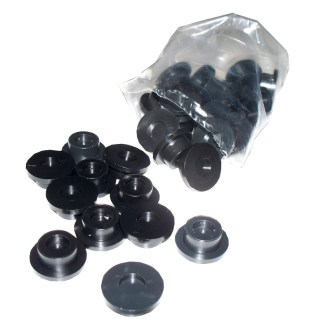
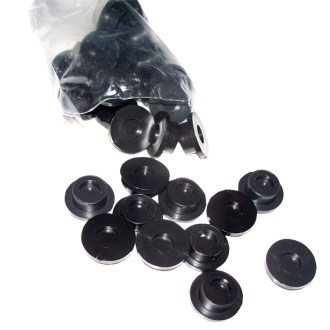
Artificial Queen Cell Plug 30pcs
The Queen Cell Plug is used for Queen breeding use is like a breeding plug. Queen Cell closure also serves to close nurseries with a hatch.
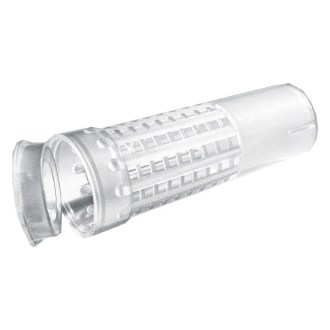
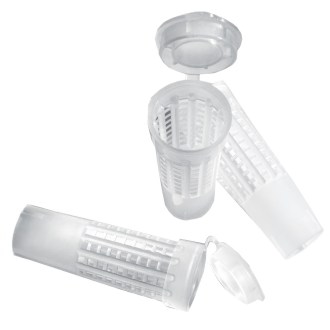
Cell protector cage - 1pcs
Try the best solutions
for easy breeding of queen bees. Finding all your virgin queens dead due to an
early hatching queen who killed them.
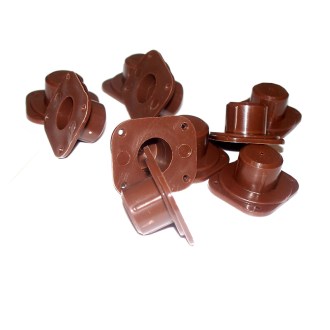
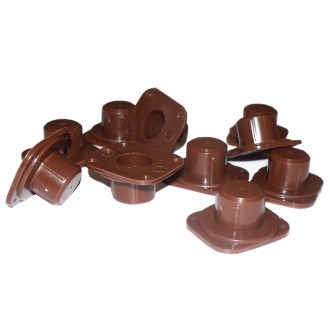
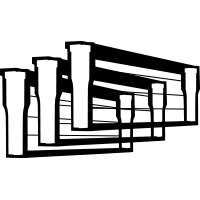
Cell bar holder - 10pcs
The holder attaches the cell starter cup and the cell cup holder to the cell bar
which goes into the colony that will finish the cells. There are 4 holes at each
corner of these holders.
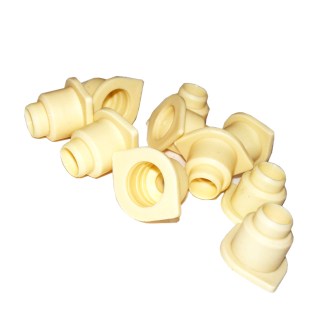
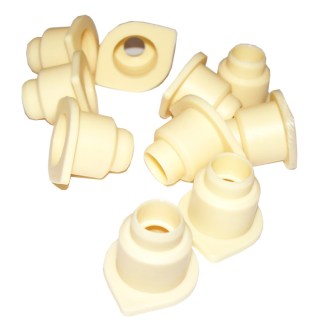
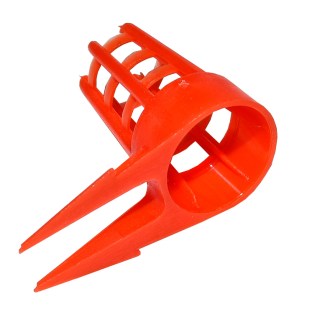
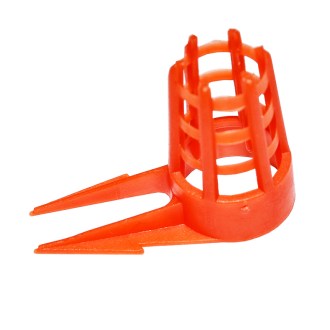
Cell cup holder - 10pcs
This cell cup holder does just that, it holds the cell cups. When the cells are finished and completely capped, they can be popped off the cell bar holder ...
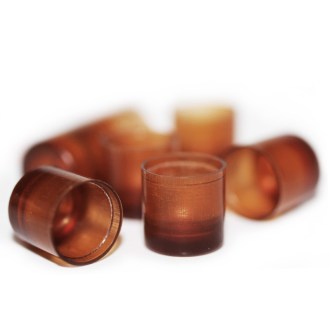
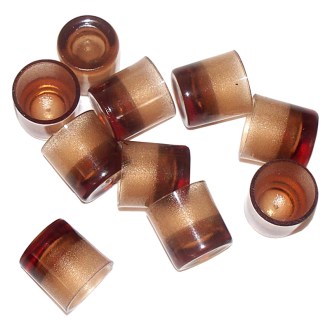
Cell starter cups 10 pcs
These brown cell cups are inserted into the back of the comb box. The queen lays
an egg in the bottom of each starter cup which is then inserted into a cell cup
holder.
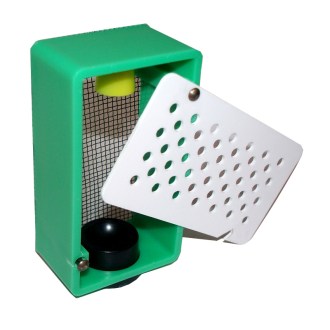
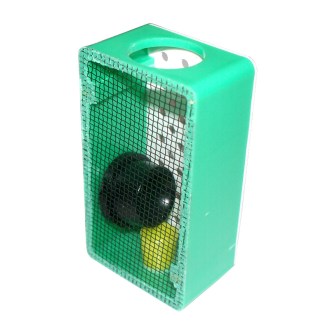
Queen cage for kindergarten (ZANDER) - Plastic
Queen cage for kindergarten (ZANDER) - Plastic is a practical utility for breeding queen bees. The execution is very similar to the classic nursery spanner.
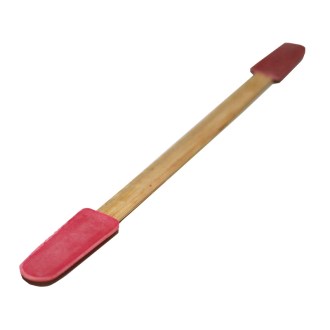
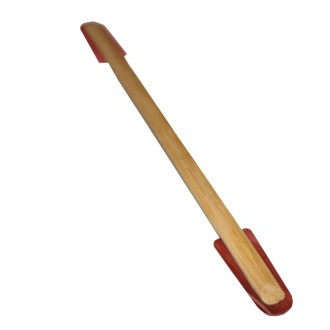
Double wooden royal jelly spoon
Practical aid for collecting royal jelly. This spoon is made of wooden handle, rubber blade on both ends. The spoon can be use both sides, the rubber is firm but also flexible enough.
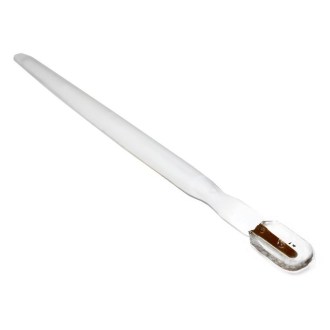

Plastic spoon for royal jelly.
Plastic spoon for royal jelly. This enhanced model has versus the wooden model, an ergonomic handle for easy work. The plastic spatula is attached to the spoon body with a metal pen. This spoon can be used repeatedly, just wash it thoroughly after each use.
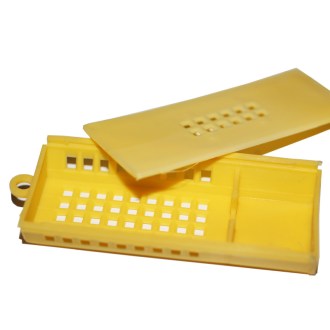
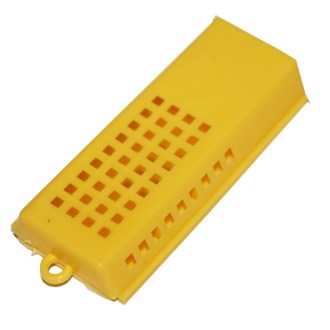
Queen Introduction Shipping Cage - yellow
Queen Introduction Shipping Cage - yellow consists of two parts with a space for the bee mother and the meduced dough. The release of the bee mother takes approximately about two days. The shipping cage on the bee queen is also very good for adding mothers and nicely fits in between frames.
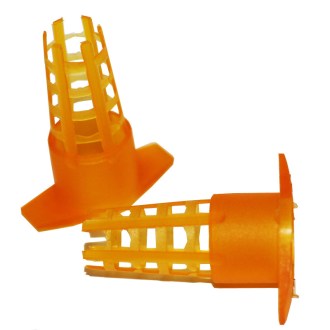
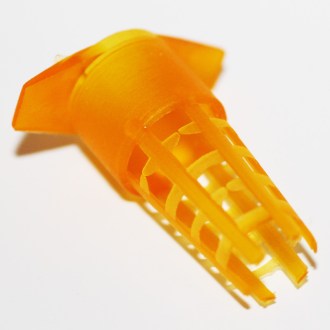
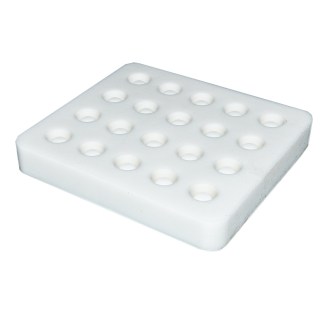
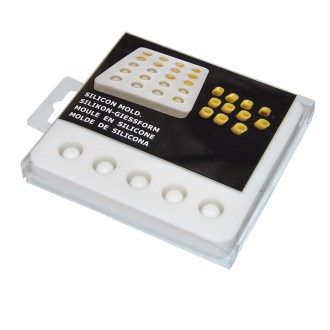
Silicone mold for queen cells
Silicone mold for the production of queen - of - wax. Simple form for casting queen's ...

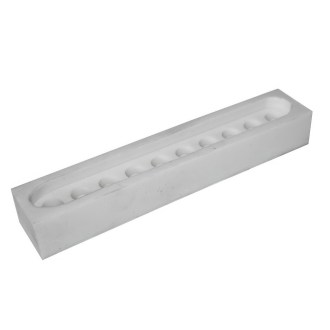
Queen cell cups silicone mold for 10 cups
Silicone mold for making queen cups from wax. Simple mold for casting queen cups in elongated design.
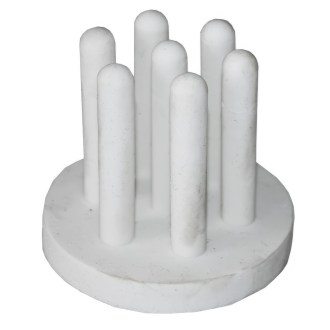
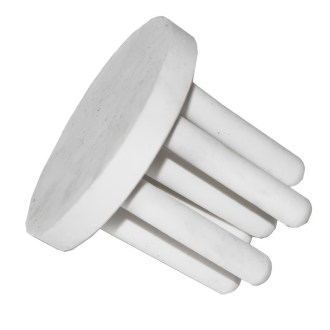
Queen cell cups silicone mold for 7 cups
Silicone mold for making queen cups from wax. Simple mold for casting queen cups in elongated design.
Cell starter cups 100 pcs
These brown cell cups are inserted into the back of the comb box. The queen lays
an egg in the bottom of each starter cup which is then inserted into a cell cup
holder.
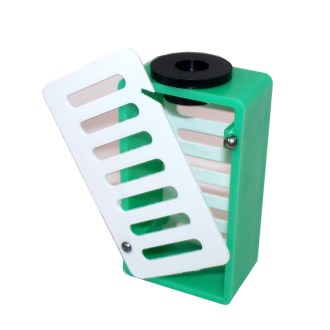
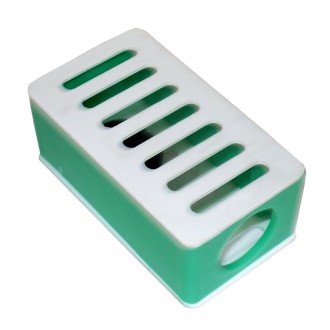
Queen cage (ZANDER) with hatch - plastic
Queen cage with hatch - plastic is a practical utility for breeding queen bees. The nursery nurseries with the hatch are tightly closed on the back by an overhanging grille.
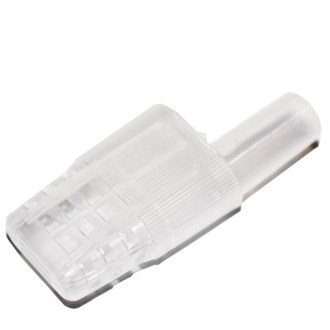
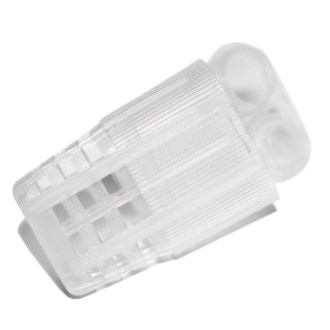
Queen Cages with pheromone 10 pcs
Practical beehive addition cage. The practical cage consists of two parts with a honeybee space and a meduced dough. The release of the bee mother takes about two days. The queen bee queen is also very good for adding a queen and fits nicely between the frames.
Queen Rearing: A Key Element of Successful Beekeeping
Queen rearing equipment is an essential part of every successful beekeeper’s toolkit. This process, focused on the targeted breeding of new queens for bee colonies, requires specific tools and techniques to ensure optimal conditions for the development of future queens. In this overview, you will discover the essential products and their use within this crucial beekeeping practice.
Queen Cell Cups
Queen cell cups serve as the place where larvae develop into new queens. Eggs laid by the queen are transferred into these cups using grafting tools. They are typically made of plastic, making them easy to mount on rearing bars or frames.
Grafting Bar
These bars hold several queen cell cups at once and allow the simultaneous rearing of multiple queens. The cups are attached to the bars, which are then placed in rearing frames.
Rearing Frames
Rearing frames are specially designed to hold the grafting bars and queen cell cups. They are placed inside a queenless colony, which encourages bees to care intensively for the developing queen larvae.
Beekeeper’s Logbook
A logbook is an indispensable tool for monitoring the development of each queen. It allows beekeepers to plan key moments such as hatching or pupation and to maintain precise control over the entire rearing process.
Protective Cages
Once young queens hatch, they are kept in protective cages that prevent them from being injured by other bees. These cages also ensure safe transport and introduction into new hives.
All these tools streamline the queen rearing process and help produce strong, healthy queens for new colonies. With their help, beekeepers can effectively strengthen their hives and contribute to the preservation of these vital pollinators.
Complete Guide to Queen Rearing
Queen rearing is an important part of beekeeping, allowing improvement of colony traits by selecting high-quality breeding stock. We focus on details that help beekeepers produce productive and resilient queens, supporting strong and efficient colonies.
Ideal Season for Queen Rearing
The blooming of oilseed rape is considered the best period for queen rearing. During this time, it is advisable to replace old queens with artificially bred ones to preserve essential characteristics such as gentleness, low swarming tendency, quick spring buildup, and good comb construction.
Queen Development Cycle
The queen’s development lasts a total of 16 days:
Days 1–3: Egg
Days 4–8: Open larva
Days 9–15: Capped larva
Day 16: Emergence
After hatching, the queen takes an orientation flight followed by mating flights over several days, during which she mates with multiple drones. Proper insemination is crucial to ensure the queen’s long-term fertility.
Methods of Queen Rearing
Grafting from Larvae
The most effective queen rearing method uses young larvae, ideally 0.75–1 day old. Using a grafting tool, larvae are transferred to queen cell cups and placed for rearing. Care must be taken to avoid damaging the delicate queen cells.
Rearing from Swarm Cells
Swarm cells are typically found on the edges of frames. To reduce swarming tendencies, it is advisable to remove capped swarm cells, while open ones may be used in strong colonies.
Rearing from Supersedure Cells
Supersedure cells are located in the central parts of frames and are fewer in number. These cells can be used for queen rearing, though capped ones should be removed unless it is certain that the queen is mature.
Rearing in Queenless and Queenright Colonies
Rearing in a queenless colony encourages bees to create queen cells. The brood chamber needs to be properly prepared to provide enough space for developing queens. Conversely, when rearing in a queenright colony, the rearing frame is placed in the honey super during nectar flow.
Starter–Finisher Method
This method involves beginning the rearing process in a queenless colony (“starter”) and finishing it in a queenright colony without a laying queen (“finisher”). Proper handling of the queen cells is crucial so that bees fully accept the new queens.
Mating Nucleus (Mating Hive)
A mating nucleus is a small hive used for queen mating and rearing, where proper ventilation and feeding are key. This method is widely used in commercial queen production and for supplying queens to customers.
Introducing and Utilizing Queens
A newly mated queen begins laying eggs about four days after her mating flight. Damaged or weak queens should be removed to prevent colony decline. Queens are marked with colors according to the year of their birth (e.g., blue for years ending in 0 or 5).
When introducing a new queen, the colony must be queenless, and all remaining queen cells should be removed to ensure smooth acceptance of the new queen.
Principles of Successful Queen Rearing
Maintain young colonies, as they are more likely to accept new queens.
Prevent swarming during queen replacement by ensuring proper care and nutrition.
Regularly monitor the health and quality of both queens and colonies.
Queen rearing requires knowledge, patience, and dedication, but the reward is a healthy, productive colony — the foundation of successful beekeeping.