











Queen rearing
In this category, you will find a wide range of products for the efficient breeding of queen bees, whether you are a beginner or an experienced beekeeper. Our selection includes queen cell cup holders, queen isolators, as well as various types of cages and feeders that make handling queen cells and breeding queens much easier. We also offer accessories designed specifically for Mini Plus systems. Among our products, you will also find advanced queen rearing kits that contain everything you need for raising new queens. You can also choose from different marking tools and accessories, including opalite markers and quick-drying paints, which ensure easy and durable identification of queen bees. The pheromone products allow you to efficiently manage and attract bee swarms, while grafting tools and silicone molds enable the simple transfer and creation of queen cells.


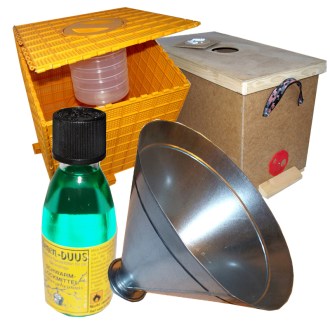

Mini queen rearing hive with frames (bottom W1118) - painted
Mini hive for queen rearing, with frames (with new bottom W1118) - colored

Mini queen rearing hive - painted
Mini hive components for queen bee rearing:
- bottom board
- hive box
- divider board
- feeder
- roof
- frames

Mini queen rearing hive - unpainted
Mini hive components for queen bee rearing:
- bottom board
- hive box
- divider board
- feeder
- roof
- frames
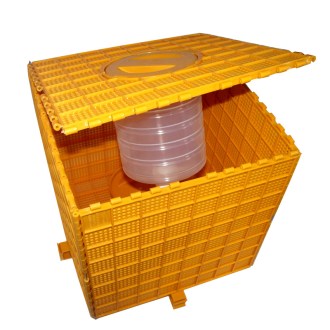
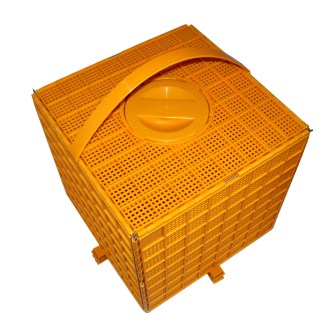
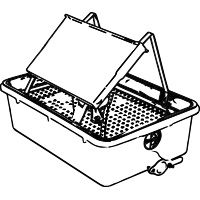
Beekeeper's multibox (swarm catching box)
Transport box bees with feeder multibox. Recommended especially for collection and transportation of bees for long distances.

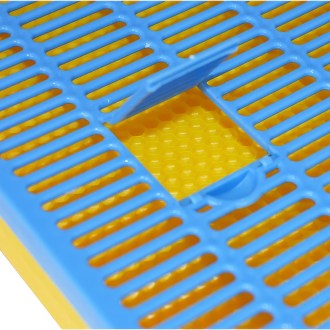
Excluder cage - isolator for varroa mite control Langstroth 2/3
We will restrict the queen's movement and egg-laying to only a few frames precisely determined by us. Since the entire cycle takes longer than the bee hatching cycle, in the later phase we will only have frames populated where the queen was caged, thereby gaining complete control over which frames Varroa mites can be present on.
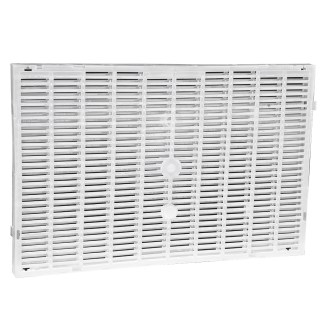
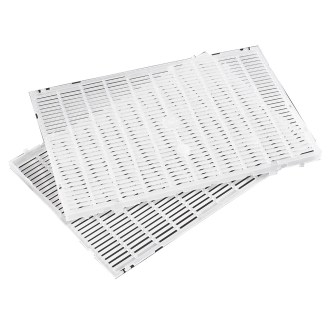
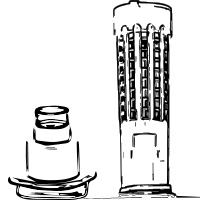
Queen isolator
Bee isolator, made of plastic, consists of two parts in the form of queen excluders with dimensions 362 x 242 x 16 mm plus protrusions, which allows use for frames of various widths and minimum height of 24 cm, including 27.5 cm, 30 cm and 34.7 cm.

Mini Plus frame - 1 piece
Frame with a top bar that is 10 mm wide, Ears narrowed to 8 mm. The width of the top bar is 22 mm. Frames wired with stainless steel wire and equipped with eyelets.


Mini Plus - frame feeder
Wooden frame feeder for Mini Plus, as wide as one frame.
Firmly nailed and glued.
External dimensions approximately 215 x 159 mm. Top bar 251 mm.


Ceiling feeder for Mini Plus
Wooden top feeder for Mini Plus. Firmly glued and stapled. External dimensions approximately 275 x 275 mm. Height 80 mm.


Wooden Mini Plus Nuc - complete
Nice wooden Mini Plus nuc. Complete with feeder and (with 5 frames) is ideal for queen rearing.
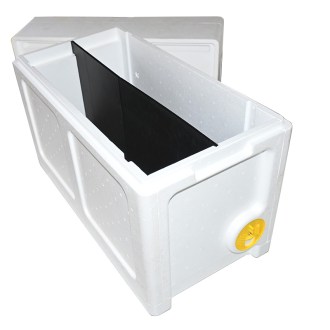
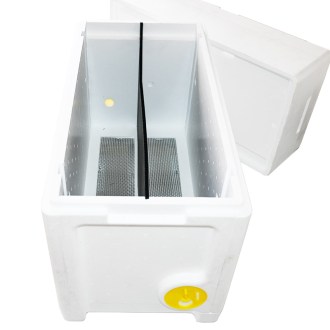
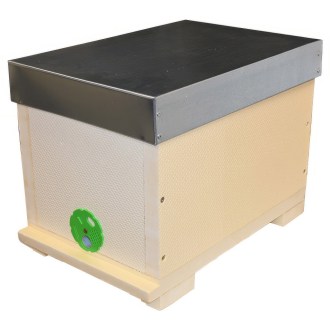
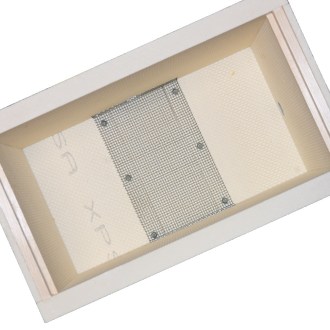
Polystyrene mini hive Langstroth 3/4 - 6 frames
Small behive in size deep Langstroth (Max frame size is 185
mm - 3/4 Langstroth). It is ideal hive for rear new young bee colony.
Styrofoam Langstroth JUMBO Nucleus Hive - 6 frames
Small behive in size deep Langstroth (Max frame size is 185
mm - 3/4 Langstroth). It is ideal hive for rear new young bee colony.


Mini mating nuc API EPP - brown Lyson
EPP is a material that resembles polystyrene, but has a few additional properties that give it a significant advantage over its older competitors. Due to its increased resistance to physical and chemical factors, it is increasingly used where the manufacturing material is subjected to a severe test by the user.
Swiss Biene nuc with feeder corrugated for one queen EPS
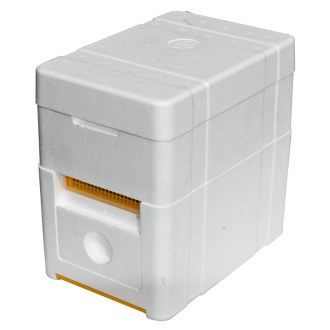
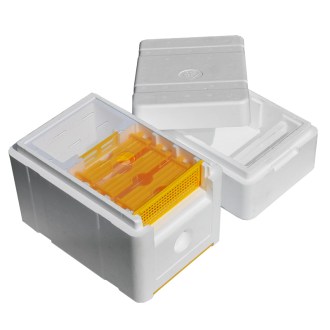
Nuc corrugated for a queen of hardened polystyrene and plastic. The walnut corrugated roof is polystyrene. Can be added queen or queen cell. Once the queen has begun, it must be removed immediately and add a new queen or queen cell.
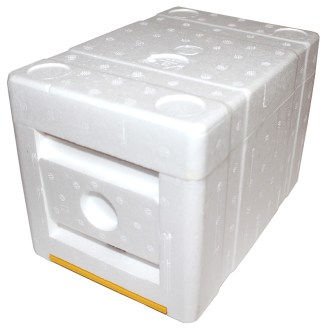
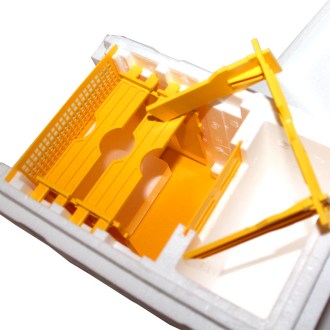
Swiss Biene nuc corrugated for one queen EPS
Nuc corrugated for a queen of hardened polystyrene and plastic. The walnut corrugated roof is polystyrene. Can be added queen or queen cell. Once the queen has begun, it must be removed immediately and add a new queen or queen cell.
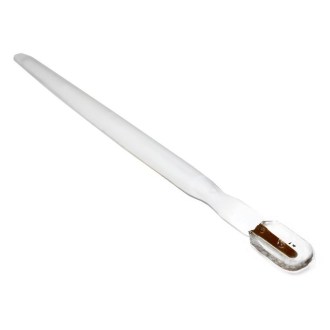

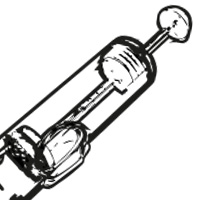
Plastic spoon for royal jelly.
Plastic spoon for royal jelly. This enhanced model has versus the wooden model, an ergonomic handle for easy work. The plastic spatula is attached to the spoon body with a metal pen. This spoon can be used repeatedly, just wash it thoroughly after each use.
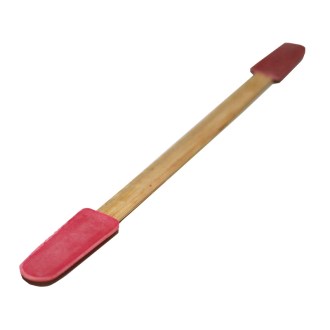
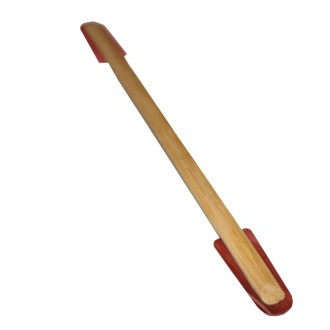
Double wooden royal jelly spoon
Practical aid for collecting royal jelly. This spoon is made of wooden handle, rubber blade on both ends. The spoon can be use both sides, the rubber is firm but also flexible enough.
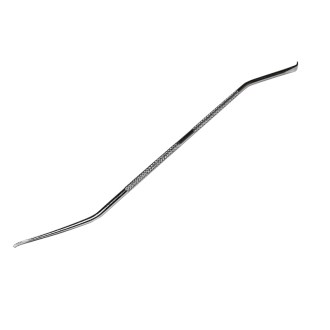
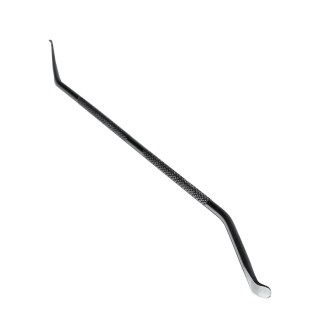
Doubles wide stainless steel grafting tool DE
Beekeeping grafting tool is suitable for engraving future mothers, either in bowls or mothers. The high-quality stainless steel finish will surely make you look good. Decoction is a common way for a beekeeper to feed a future queen from a larvae of our choice.
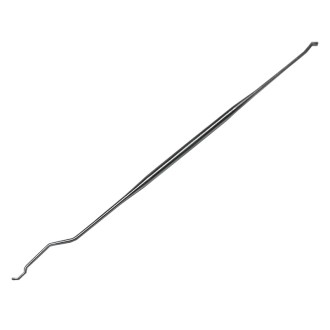
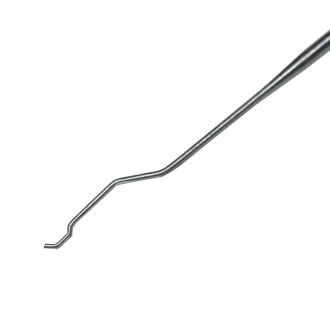
Doubles stainless steel grafting tool DE II
Beekeeping grafting tool is suitable for engraving future mothers, either in bowls or mothers. The high-quality stainless steel finish will surely make you look good. Decoction is a common way for a beekeeper to feed a future queen from a larvae of our choice.
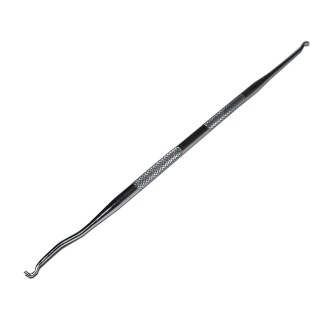

Doubles stainless steel grafting tool DE
Beekeeping grafting tool is suitable for engraving future mothers, either in bowls or mothers. The high-quality stainless steel finish will surely make you look good. Decoction is a common way for a beekeeper to feed a future queen from a larvae of our choice.


Stainless steel grafting tool for queen larvae - left
Stainless steel grafting tool for queen larvae, for the coloring of future queen to queen cell, Metal grafting tool with stainless steel needle.
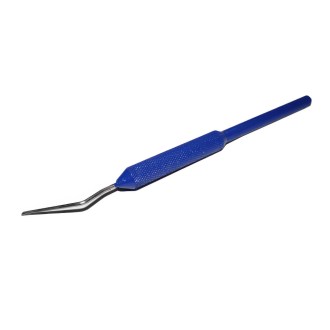

Professional stainless steel grafting tool for queen larvae - blue
Stainless steel grafting tool for queen larvae, for the coloring of future queen to queen cell, Metal grafting tool with stainless steel needle.
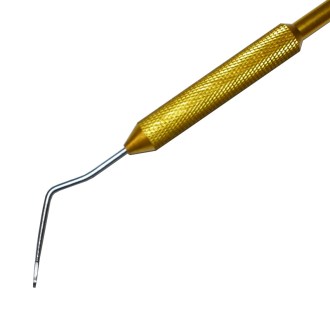
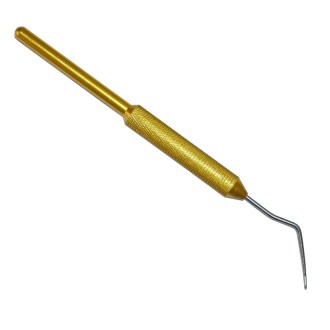
Professional stainless steel grafting tool for queen larvae - yellow
Stainless steel grafting tool for queen larvae, for the coloring of future queen to queen cell, Metal grafting tool with stainless steel needle.
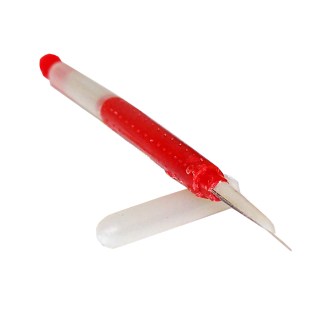
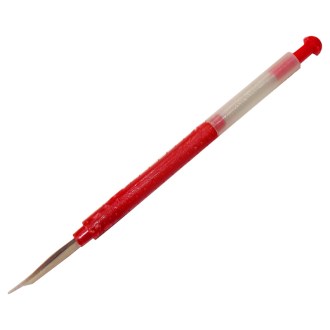
Grafting tool for queen larvae with the tongue
Plastic grafting tool to tweak future queen to queen cell etc. Practical and simple grafting tool. Simple design made of red and white plastic. Decoction is the most common way for a beekeeper to feed the future mothers from our chosen larvae.
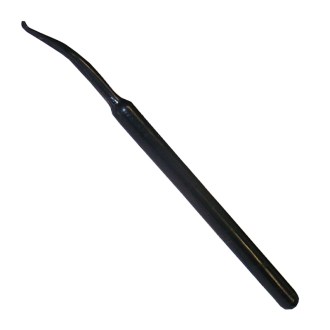
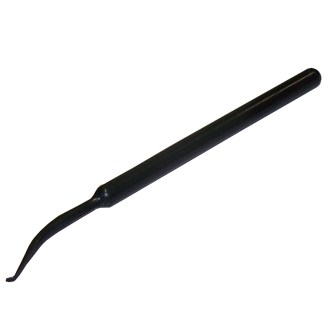
Black plastic grafting tool for queen larvae
The grafting tool is suitable for engraving future queens, either in bowls or queen cells. Its simple design made of black plastic will appeal to you. Fading is a common way for a beekeeper to feed the future queen from our chosen larvae.


Illuminated desk magnifier


Lighted magnifying glass headset LED headband - Velleman®
Solid double stance double-breasted dog with magnification 2x to 4x. Lighting - 2 bulbs, power 2 x 2 AA / UM type AA batteries 3-1.5V, batteries are part of the magnifying glass. The front binocular magnifier is attached with help adjustable headband with Velcro fastener.
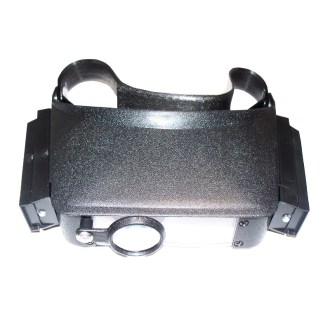

Lighted magnifying glass headset LED headband
Solid flat stony twin. Folding double-cone twin. Lighting - 2 bulbs, power 2 x 2 AA batteries AA / UM 3-1,5V, which are not part of the magnifying glass.
Queen Rearing: A Key Aspect of Successful Beekeeping
Welcome to our queen rearing category — an essential part of every beekeeper’s practice who strives for a productive season. Queen rearing, often referred to as the breeding of queens, plays a vital role in maintaining the health and efficiency of bee colonies. Here, you will find comprehensive information and products that will help you master this fascinating process, whether you are a beginner or an experienced beekeeper.
Why Is Queen Rearing So Important?
The queen is the heart of the hive, responsible for laying eggs and ensuring the constant renewal and growth of the colony. Selecting and rearing new queens is crucial for maintaining a strong, vital, and productive hive. When the existing queen becomes old or less efficient, replacing her with a new one can significantly improve colony performance and behavior.
Queen Rearing Methods
We offer details on various queen rearing methods so you can choose the one that best suits your needs and equipment:
-
Controlled Queen Cell Rearing: A traditional and reliable approach that allows easy introduction of new queens into queenless colonies.
-
Systems such as Nicot: Advanced methods that improve accuracy and efficiency without the need to transfer larvae manually.
-
Incubator Rearing: Offers maximum control over conditions such as temperature and humidity, ensuring a higher success rate.
What Do You Need for Queen Rearing?
Queen rearing requires specific tools and equipment. We provide a wide range of tested and trusted products, including queen cups, isolators, transport cages, and incubators. These are suitable both for professional beekeepers and those who are just getting started.
Benefits of Rearing Your Own Queens
Although queen rearing takes time and patience, it offers many advantages. It allows you to control the genetics of your colonies, reduce unwanted traits such as aggressiveness, and lower costs associated with purchasing replacement queens. For experienced beekeepers, it can even become an additional source of income.
Other Recommended Products
In addition to queen rearing supplies, we also offer beekeeping tools, wax foundations, natural products, and literature. Our range includes innovative solutions such as royal jelly harvesting equipment, which has become a favorite among our customers.
Frequently Asked Questions
-
What is the easiest method for beginners? Controlled queen cell rearing is a simple and effective method, ideal for smaller apiaries.
-
How long does it take for a new queen to emerge? A queen bee usually hatches about 16 days after the egg is laid.
-
What’s the difference between types of queen cells? Swarm queen cells are located along the bottom edge of frames and serve swarm reproduction, while supersedure queen cells appear in the center of the frame when the hive is replacing an old or missing queen.
We believe that our products and information will help you succeed in queen rearing, ensuring the health and prosperity of your colonies. Explore our range and raise strong queens for thriving hives!
A Detailed Guide to Queen Rearing and Essential Tools
Queen rearing is one of the most fascinating and valuable skills in beekeeping. The process is not only about producing new queens but also about improving colony genetics, enhancing productivity, and providing better control over hive management. Let’s take a closer look at the queen rearing process and the essential tools that make it easier.
By raising your own queens, you gain several key advantages:
-
Genetic Control: The ability to selectively breed from specific lines known for desirable traits such as gentleness, honey production, or disease resistance.
-
Higher Productivity: Young, well-bred queens optimize egg-laying and overall colony efficiency, leading to healthier, stronger hives.
-
Reduced Aggressiveness: Careful selection of breeding stock helps produce calmer colonies, making hive inspections easier and safer.
-
Efficient Replacement: Having your own queens on hand allows timely replacement without disruptions in brood production, keeping the colony stable and productive.
Essential Tools for Queen Rearing
Successful queen rearing requires several key tools and accessories that make the process smoother and more reliable:
-
Queen Cups and Frames: Special cups for egg placement and frames for securing queen cells provide structural support during rearing.
-
Queen Cell Isolators: Protect developing queens during maturation, increasing their chances of successful emergence.
-
Transport Cages: Ensure safe transfer of queens between hives and colonies.
-
Queen Marking Tools and Paints: Easily identify queens using color markers or adhesive opalite discs for tracking and colony management.
-
Grafting Tools: Essential for safely transferring larvae during the rearing process.
Choosing the right techniques and equipment for queen rearing will directly influence your success. Investing in quality tools and knowledge is the key to maintaining strong, healthy colonies. Explore our selection and become a skilled queen breeder — ensuring your bees deliver their best performance and bring you lasting satisfaction.