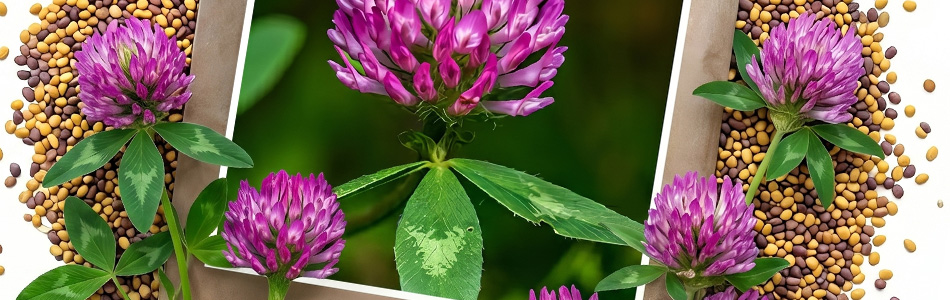















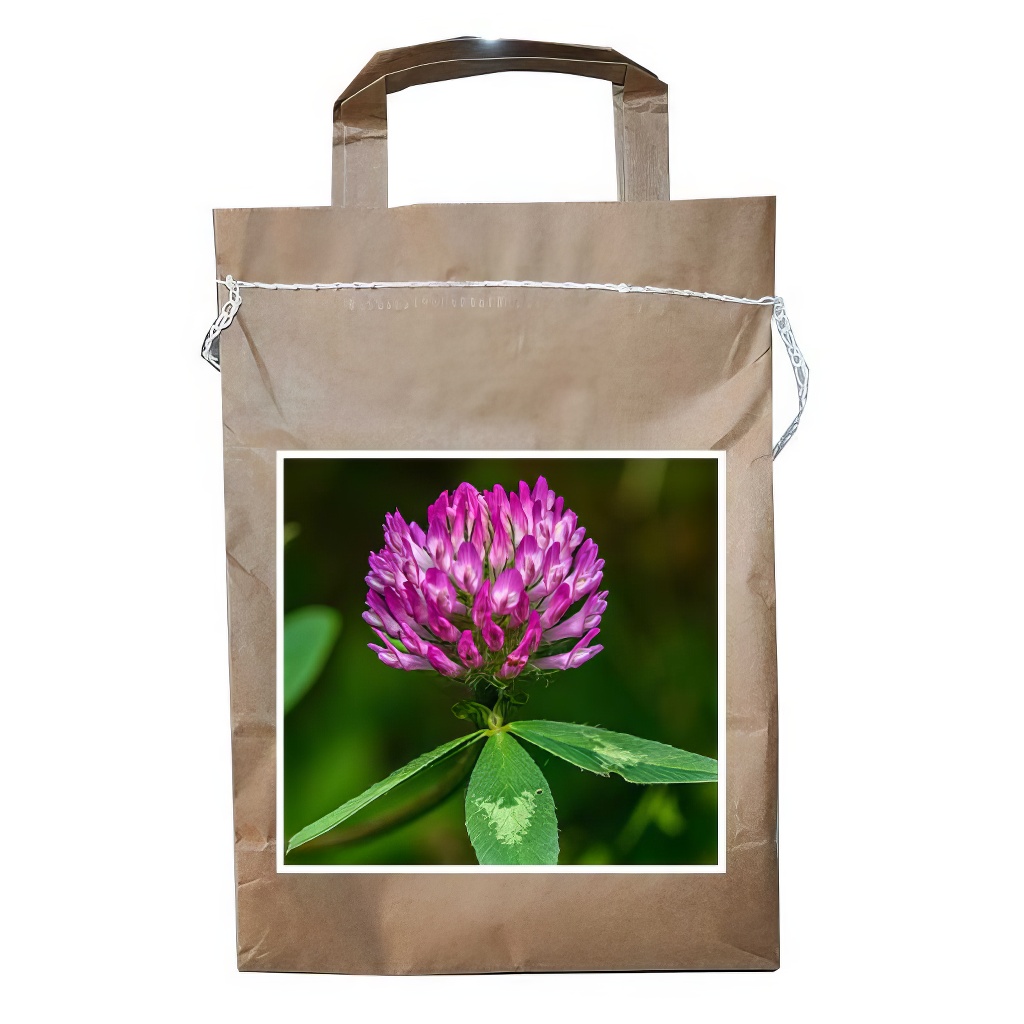
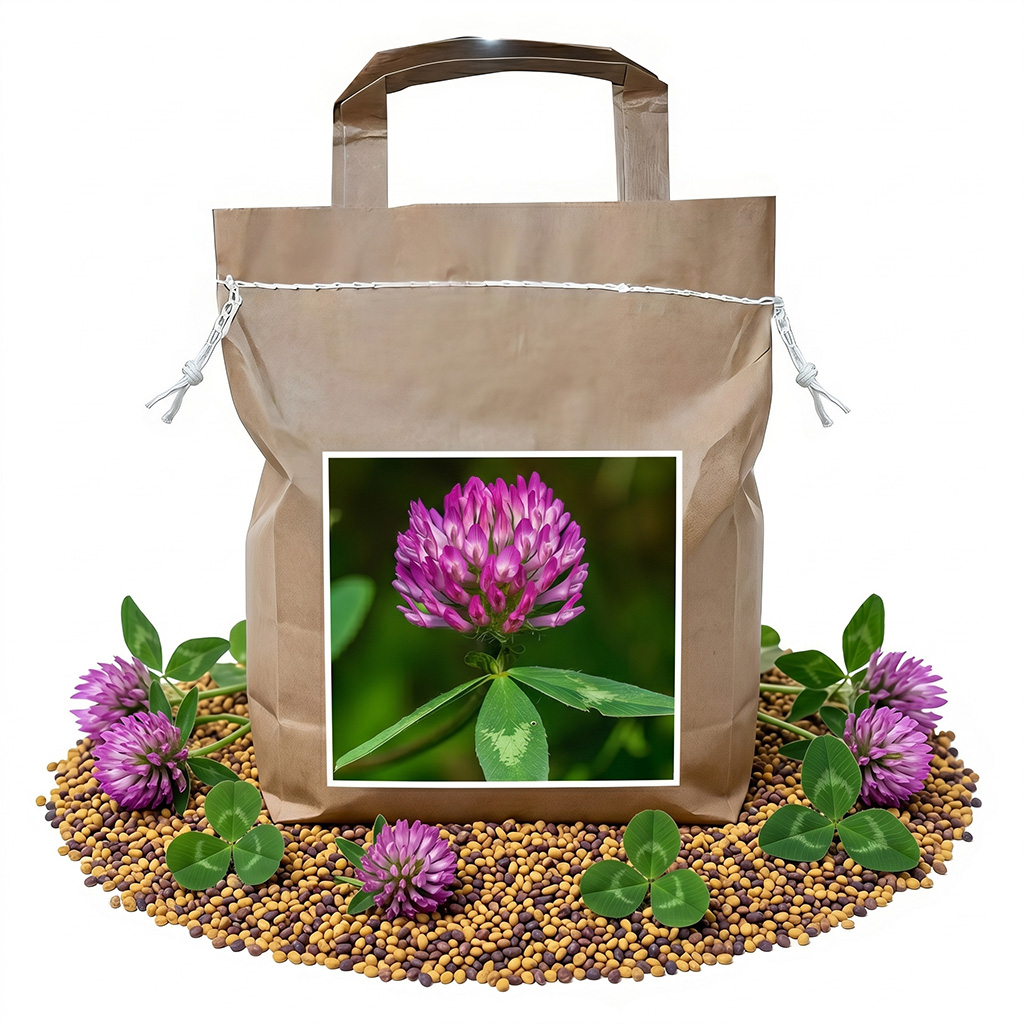
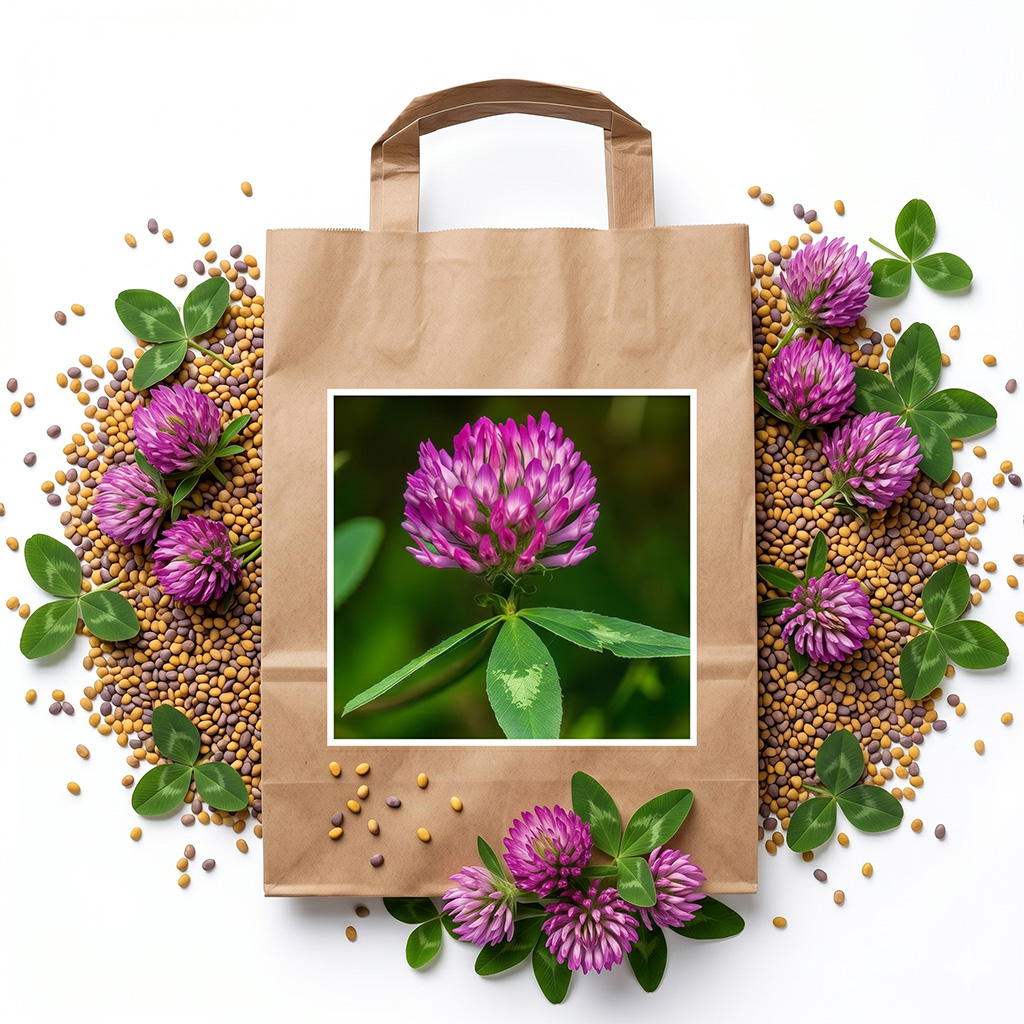
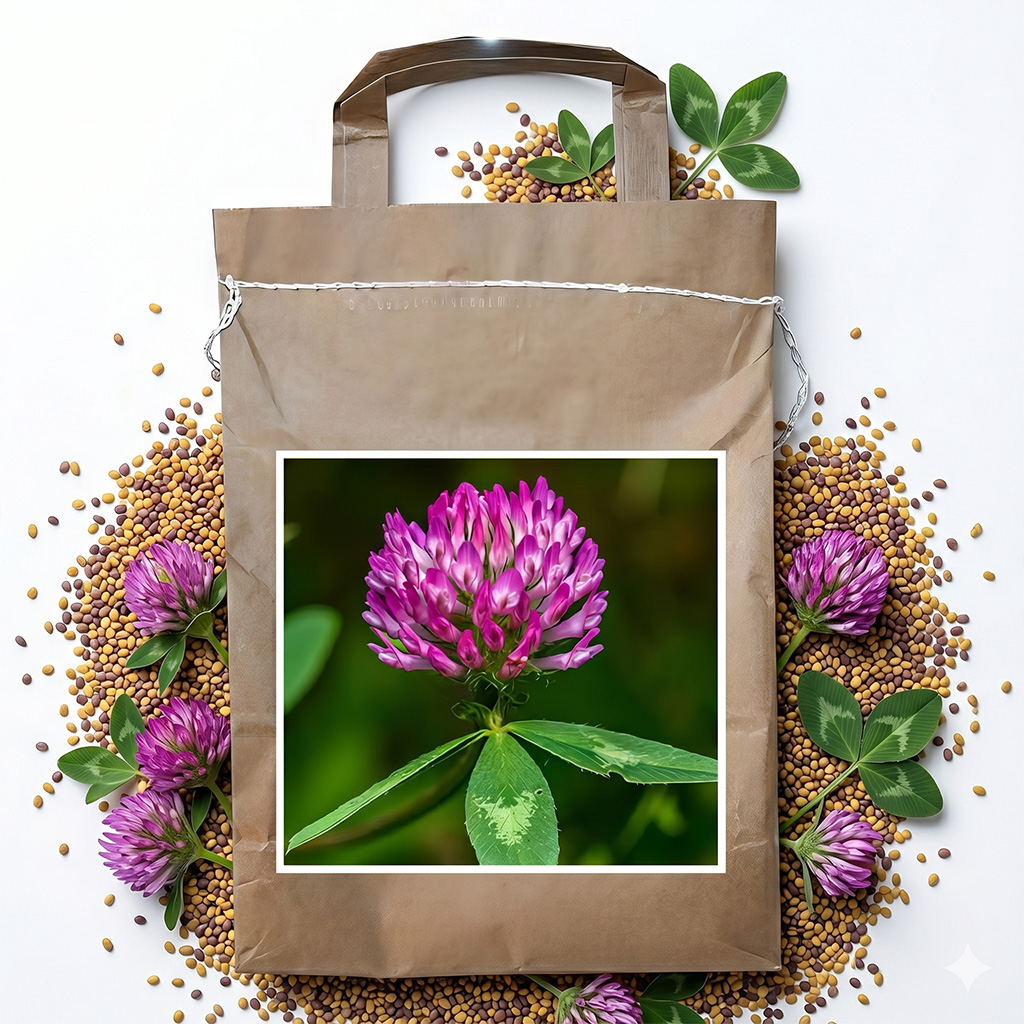
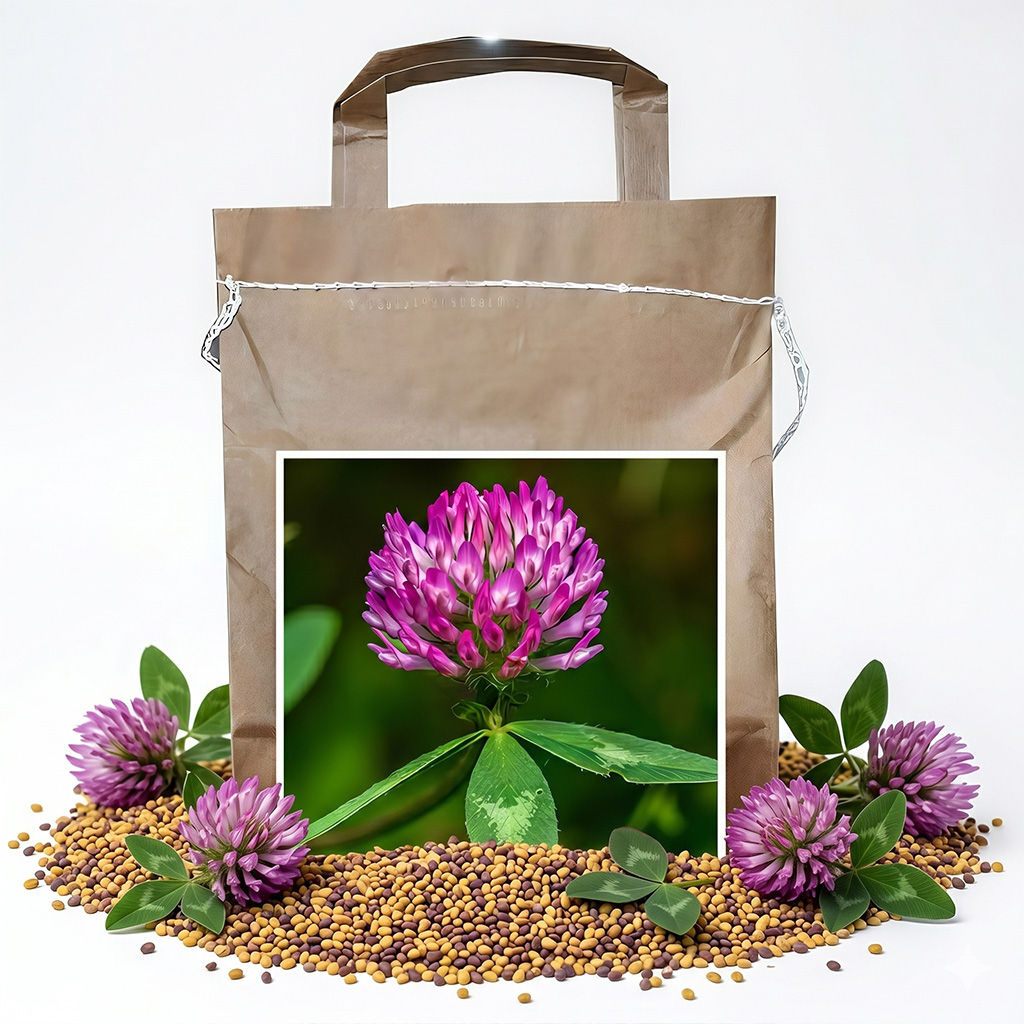
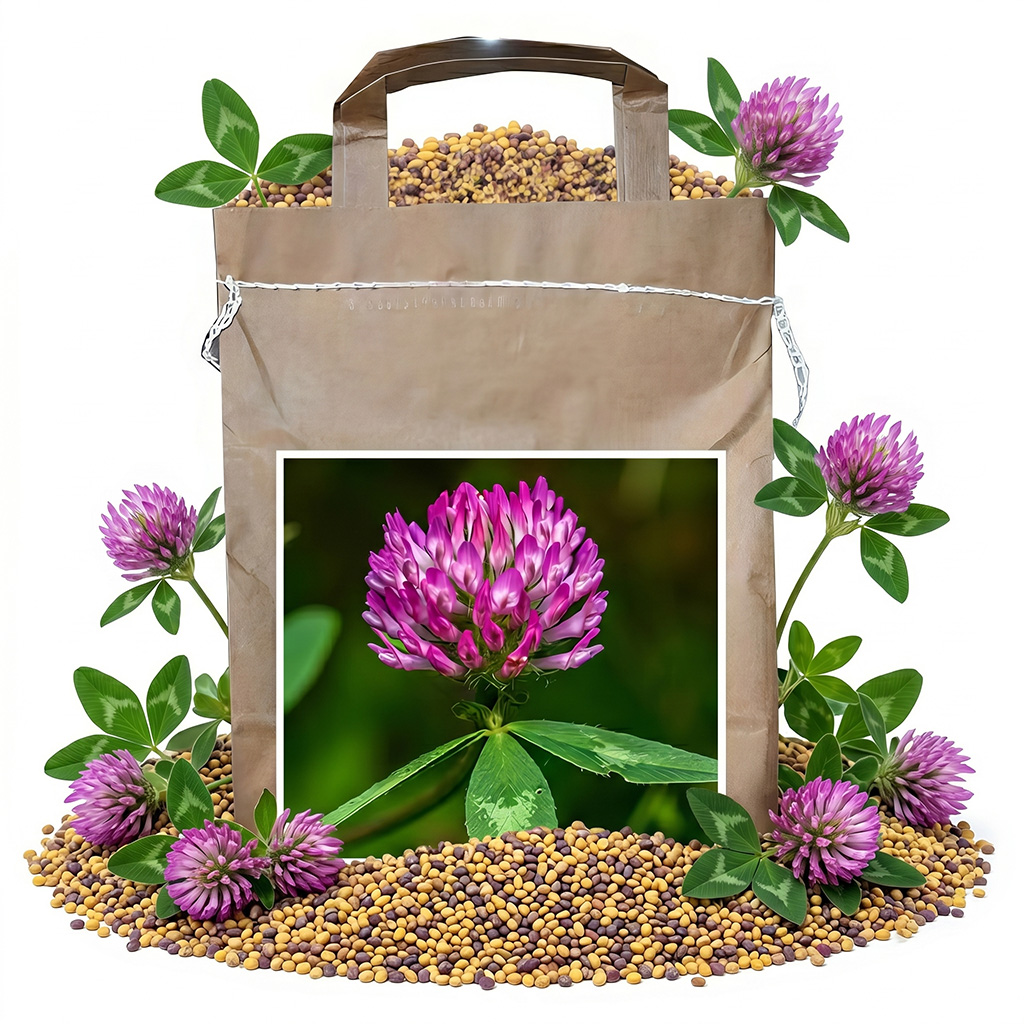

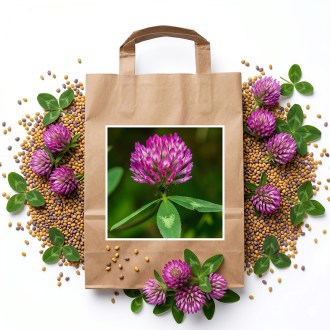
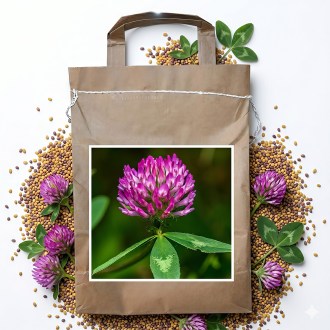
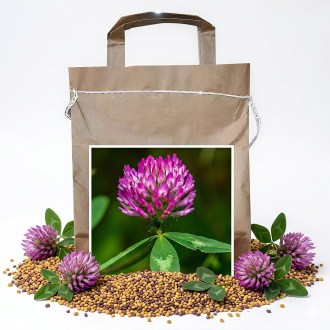
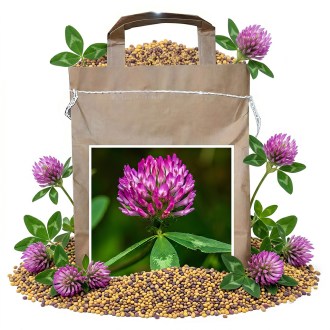
Red Clover seeds - 1 kg
 In stock
It is a significant honey plant, for beekeepers the very long flowering period is important, from May to October. On the flowers, you can often see a whole range of other solitary bee species.

Red Clover Slavín – High-Yielding Honey Plant for Your Apiary (1 kg)
Do you want reliable and long-term forage for your bee colonies? Red clover (Trifolium pratense) variety Slavín is among proven perennial plants that provide valuable nectar and quality pollen during flowering. For beekeepers, it's a practical choice wherever you need to strengthen honey flow and support colony vitality. The Slavín variety is bred for resilience and stable growth, so it can flower and provide benefits repeatedly over multiple seasons.
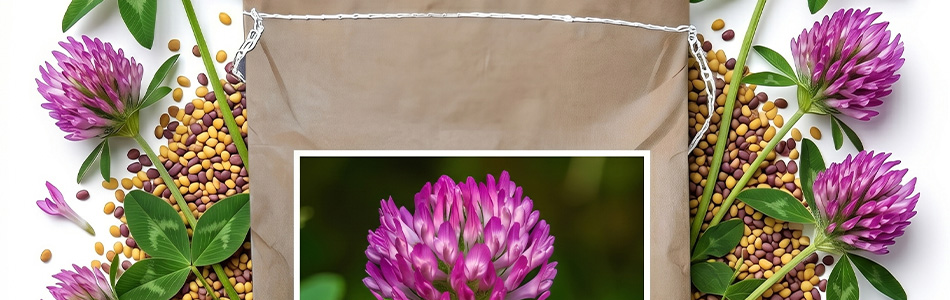
Key Benefits for Beekeepers and Gardeners
Slavín clover creates dense, well-leafed clumps and abundant inflorescences that naturally attract pollinators. In practice, this means a regular source of bee forage even during periods when other honey plants are declining. Besides honey bees, clover is also important for bumblebees – thanks to their longer tongues, they can exploit the flowers very efficiently and help maintain strong pollination activity in the landscape.
It's also a plant that benefits the soil. Through symbiosis with nodule bacteria, it fixes atmospheric nitrogen and naturally improves site fertility, so it can also serve as green manure. The perennial nature of the Slavín variety additionally ensures that the stand is maintained with proper care and the investment in seed pays off for several years.
Variety Characteristics and Cultivation
Slavín is an early to medium-early variety with medium-strong stems and high green matter yield in both the first and second production year. It's adaptable – suitable for both cereal and potato-growing regions and not overly demanding on soil type. An advantage is also good disease resistance, especially to mycoses, viruses and white rot, which simplifies cultivation even in less ideal conditions.
Uses are wide-ranging: from bee pastures through field cultivation to natural and ornamental gardens. The flowers are edible and traditionally used in herbal blends – for example in teas, or as decoration in salads or desserts.
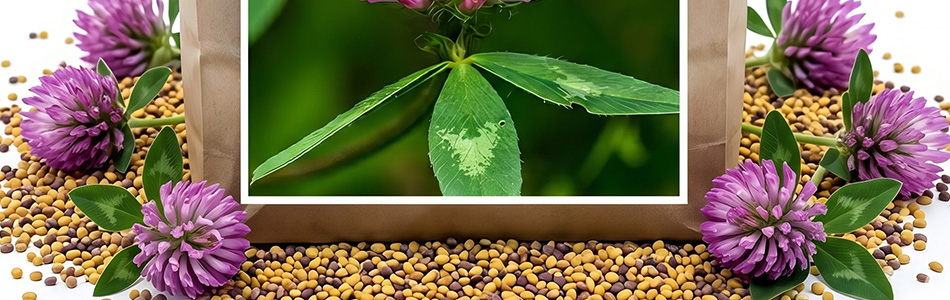
Product Technical Parameters
| Variety | Slavín (Trifolium pratense) |
| Package | 1 kg |
| Recommended Seeding Rate | 15–20 kg per 1 hectare (150–200 g per 100 m²) |
| Variety Type | Early to medium-early, perennial |
| Suitable Regions | Cereal and potato-growing (universal) |
| Main Advantages | Stand perenniality, benefit for bee forage, good regeneration after mowing |
| Resistance | High, especially to viruses and white rot |
Tips for Successful Seeding
For uniform and strong growth, sow clover into clean, weed-free soil, or into mixtures with suitable grasses. Most commonly sown in spring when there is sufficient moisture in the soil. Place seeds approximately 1–2 cm deep. Regular mowing helps thicken the stand and promotes repeated regrowth – for fodder crops usually before full bloom, for stands established primarily for pollinators rather after flowering.