










General tools
Beekeeping requires a range of specialized tools. Here, we offer practically everything that can be useful in the apiary. However, not all equipment is essential for beginners. For those just starting out, we especially recommend a hive tool for working with frames, a bee brush for gently removing bees, and a smoker to calm them during hive inspections. For honey extraction, you will need uncapping forks, a bee escape board or bee blower, a sieve for filtering honey, and a sulfur burner with sulfur strips for disinfecting frames. You will also find plenty of supplies for collecting bee pollen.
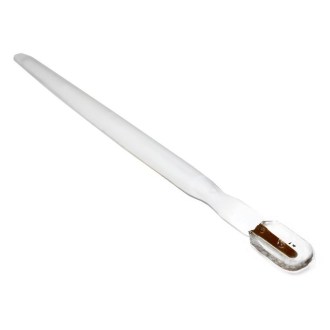

Plastic spoon for royal jelly.
Plastic spoon for royal jelly. This enhanced model has versus the wooden model, an ergonomic handle for easy work. The plastic spatula is attached to the spoon body with a metal pen. This spoon can be used repeatedly, just wash it thoroughly after each use.
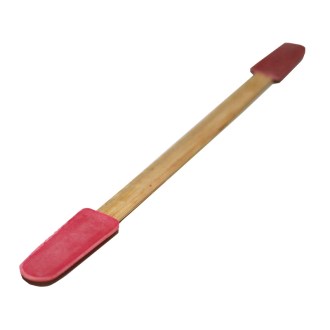
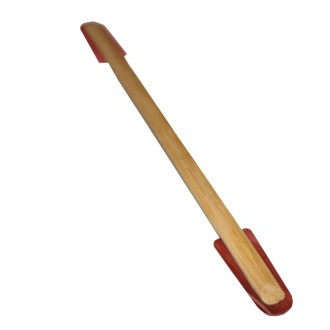
Double wooden royal jelly spoon
Practical aid for collecting royal jelly. This spoon is made of wooden handle, rubber blade on both ends. The spoon can be use both sides, the rubber is firm but also flexible enough.
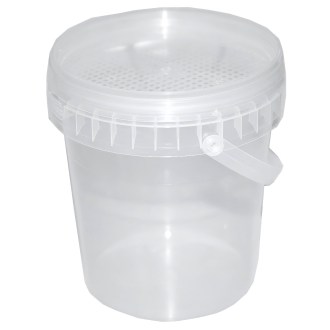
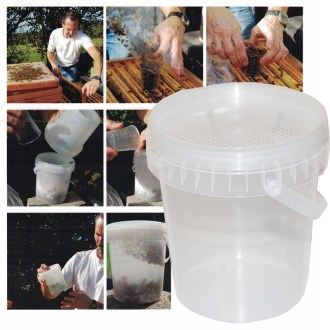
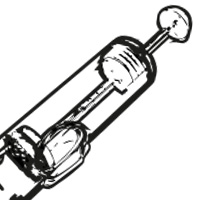
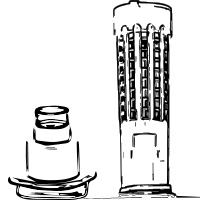
Varroasis detection kit
Varroa Mite Monitoring Assembly. Item using icing sugar. This is the best way to monitor varroasis.
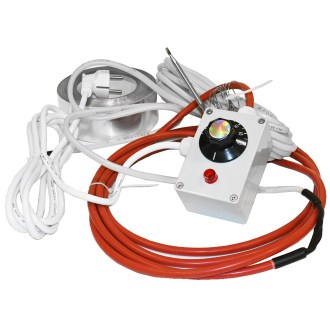

Heating cable with regulation Mellarius - 8 m
Heating cable with temperature regulation with heating power of 350 W. Suitable for heating honey directly in containers, or it can be used to heat an improvised liquefying box (assembled from polystyrene supers, or for example using an old refrigerator). This cable is 8 meters long and is suitable for containers up to Ø 65 cm.


Heating cable with Regulation Mellarius - 17.5 m
Heating cable with temperature regulation with heating power of 700 W. Suitable for heating honey directly in containers, or it can be used to heat an improvised liquefying box (assembled from polystyrene supers, or for example using an old refrigerator). This cable has a length of 8 meters and is suitable for containers up to Ø 65 cm.


Heating cable with regulation MERKUR - 3 m
Heating cable with temperature regulation with heating power of 85 W. Suitable for heating honey directly in containers, or it can be used to heat an improvised liquefying box (assembled from polystyrene supers, or for example using an old refrigerator). This cable is 3 meters long and is suitable for containers up to Ø 30 cm.
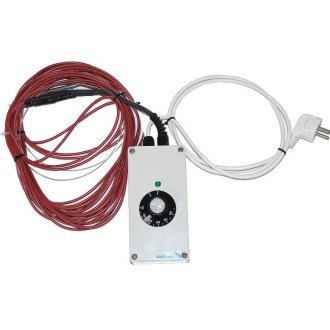
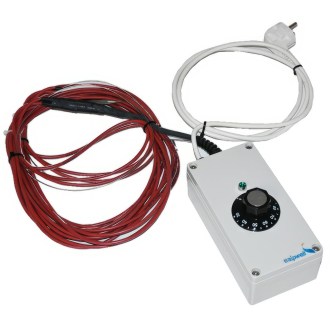
Heating Cable with Regulation MERKUR - 8 m
Heating cable with temperature regulation with heating power of 260 W. Suitable for heating honey directly in containers, or it can be used to heat an improvised liquefying box (assembled from polystyrene supers, or for example using an old refrigerator). This cable is 8 meters long and is suitable for containers up to Ø 65 cm.
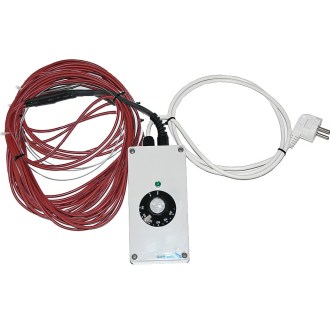
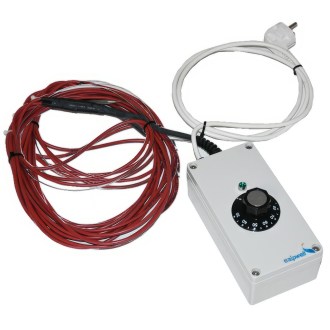
Heating cable with regulation MERKUR - 14 m
Heating cable with temperature regulation with a heating power of 560 W. Suitable for heating honey directly in containers, or it can be used to heat an improvised liquefying box (assembled from polystyrene supers, or for example using an old refrigerator). This cable is 14 meters long and is suitable for containers up to Ø 105 cm.
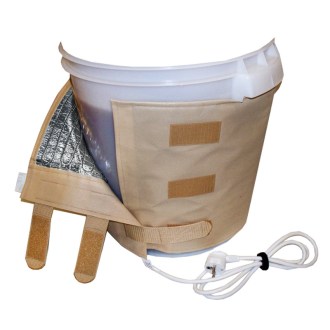
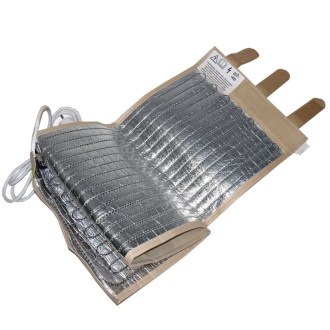
Heating blanket
Heating blanket using withplastic containers for
warming up honey. The electric lining strips are attached and secured with a dry cloth
zippers directly onto the plastic container.
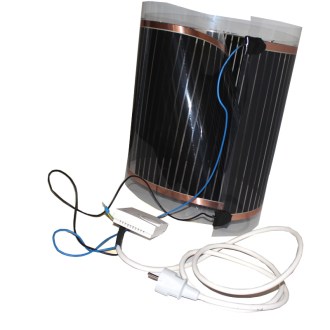
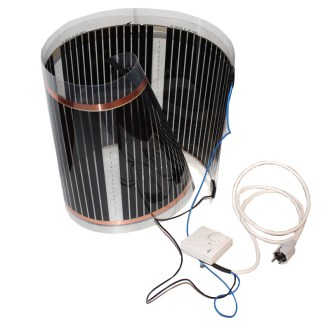
Heating blanket foil
Heating blanket foil + thermostat 150x40 cm to gentle warming of honey. The wire with the resistance wire is attached to the container or placed, for example, in the old refrigerator or oven. Blanket length is 150 cm.
Melting Film Mellarius with Thermostat - 200x30
Liquefying film + thermostat with dimensions 200x30 cm for gentle honey warming. The film with resistance wire can be attached to a container or placed, for example, in an old refrigerator or oven.

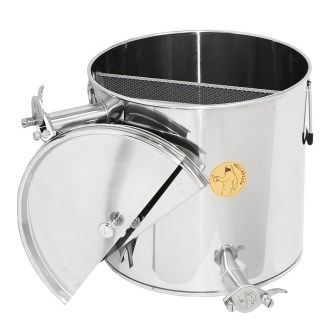
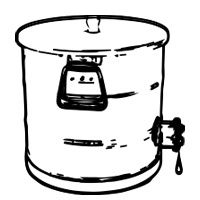
50 l honey tank with gates and sieves - Mellarius Maxiline
60 l honey tank with gates and sieves - Mellarius Maxiline brings comfort when working with honey. This variant is also equipped with a long drain tap so that another container can be easily placed underneath it.


60 l honey tank with gates and sieves - Mellarius Maxiline
60 l honey tank with gates and sieves - Mellarius Maxiline brings comfort when working with honey. This variant is also equipped with a long drain tap so that another container can be easily placed underneath it.
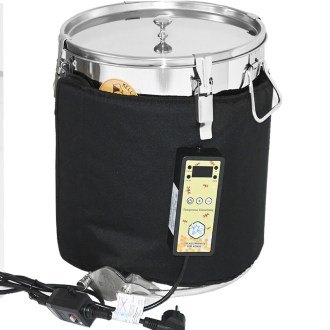
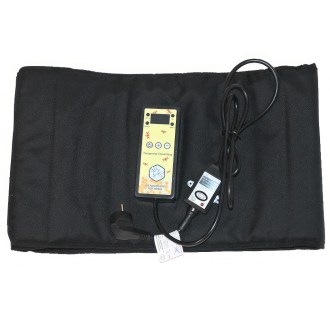
Uncapping Heater Belt Smalto 230 V 113 x 29 cm
Insulated heating jacket with precise temperature setting, heating time adjustment from 1 to 24 hours and digital display. Liquefying belt for stainless steel containers to heat honey.
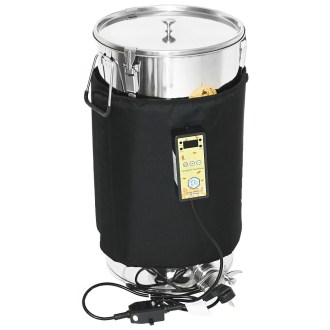
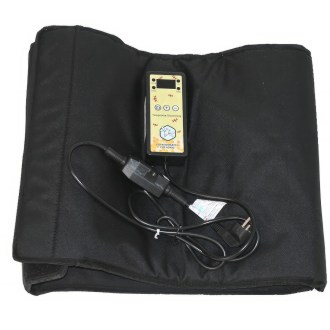
Uncapping belt Smalto 230 V 113 x 40 cm
Insulated heating jacket with precise temperature setting, heating time adjustment from 1 to 24 hours and digital display. Liquefying belt for stainless steel containers to heat honey.
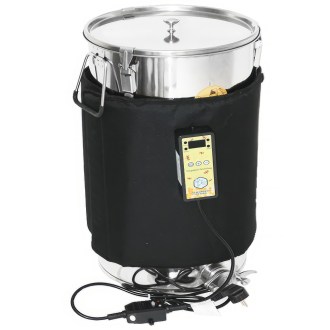
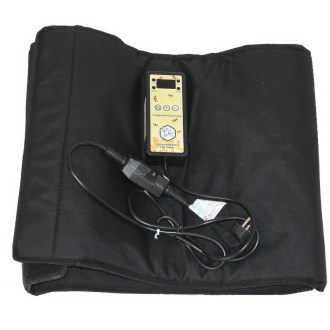
Honey Liquefying Belt Smalto 230V 151 x 48 cm
Insulated heating jacket with precise temperature setting, heating time adjustment from 1 to 24 hours and digital display. Liquefying belt for stainless steel containers to heat honey.
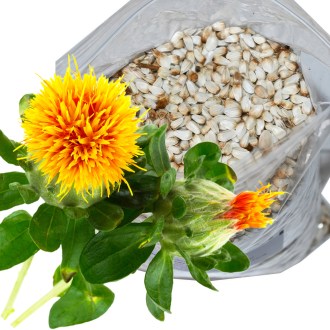

Safflower (seeds / bee pasture) - 0.5 kg
This plant is grown mainly for its seeds, it can be fed to livestock on the farm, and it is also a honey plant due to its high nectar content in late summer.
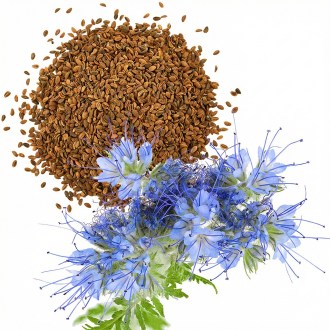

Lacy Phacelia (seeds / bee pasture) - 1 kg
Phacelia (Latin name Phacelia tanacetifolia) is a very attractive plant for bees. It is an annual herb approximately 70-80 cm tall and is cultivated mainly as a honey plant for bees and as green manure.


Flax (seeds / bee pasture) - 0.5 kg
Flax (Linum usitatissimum) is found worldwide and is among the oldest plants that humans began to cultivate. It has a slender stem, inconspicuous leaves, and characteristic light blue flowers. South America, Iran, Egypt, and India are cited as the original places of flax origin, but its history dates back to ancient civilizations and is documented in many ancient texts.
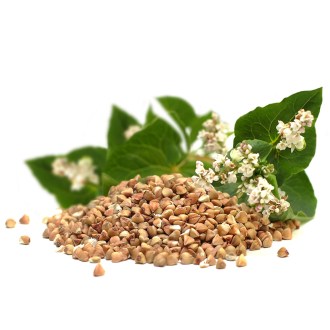

Common Buckwheat (seeds / bee forage) - 0.5 kg
It is an undemanding annual plant from the knotweed family, 30-80 cm tall. It provides both nectar and pollen to bees. Buckwheat has a very short vegetation period. Under favorable conditions, it blooms within 40 days after sowing. Buckwheat is particularly sensitive to spring frosts, so sowing should be done during May. Quality catch crop and green manure. It is also used as feed for livestock and in the food industry.

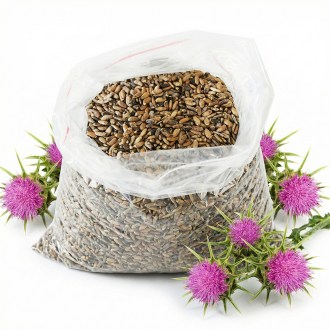
Milk Thistle (seeds / bee forage) - 0.5 kg
Milk thistle, Latin name Silybum marianum, is a very attractive plant for bees. It is a medicinal plant that is very prickly and grows to a height of one to one and a half meters.

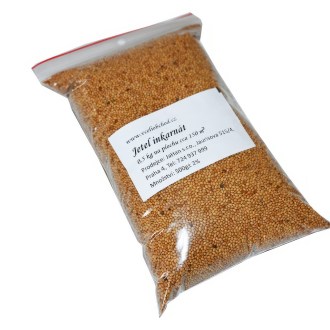
Crimson Clover (seeds / bee forage) - 0.5 kg
Crimson clover, Latin name Trifolium incarnatum, provides bees with both nectar and pollen. Bees collect nectar primarily during morning hours.
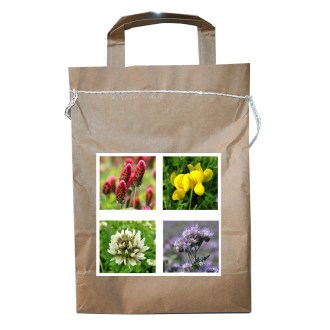

Nectar-producing Harmony Blend for bees Type 1 - 1 kg
28% Crimson clover (incarnate)
16% Yellow trefoil
17% Phacelia tanacetifolia
17% White mustard
22% White sweet clover
Seeding rate 18 kg/ha
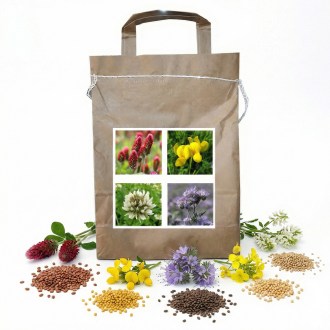
Annual Bee Mixture Type 2 - 1 kg
30% Phacelia tanacetifolia (Lacy phacelia)
20% Trifolium incarnatum (Crimson clover)
15% Sinapis alba (White mustard)
5% Medicago lupulina (Black medic)
10% Trifolium pratense (Red clover)
10% Melilotus alba (White sweet clover)
10% Vicia sativa (Common vetch)

Nectar-producing perennial spring mixture for bees - type 3
alfalfa 20%
red clover 10%
crimson clover 15%
bird's-foot trefoil 5%
caraway 5%
phacelia 35%
sainfoin 10%
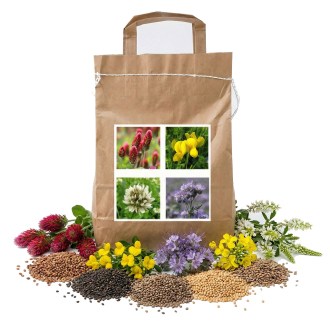
Nectar-producing Harmony Blend for Bees Type 2 - 1 kg
20% Crimson Clover (Incarnate)
12% Yellow Sweet Clover
16% Phacelia
40% Common Buckwheat
12% Red Clover
Seeding rate 25 kg/ha
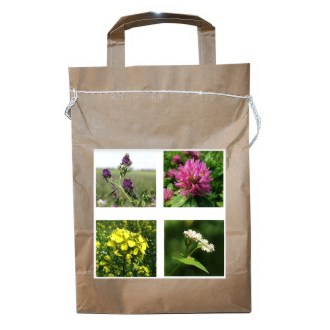

Nectar-producing Harmony Blend for Bees, Perennial - 1 kg
12% alfalfa (Medicago sativa)
30% common buckwheat (Fagopyrum esculentum)
18% white sweet clover (Melilotus alba)
15% red clover (Trifolium pratense)
2% white clover (Trifolium repens)
18% phacelia (Phacelia tanacetifolia)
5% bird's-foot trefoil (Lotus corniculatus)
seeding rate 30 kg/ha


Red Clover seeds - 1 kg
Endelin is a diploid, early to mid-early variety, moderately resistant to lodging. Plants are medium height, with thin to medium-thick stems, and medium-long and medium-wide to wide leaves. Spring growth rate and regrowth rate after cutting are medium-high.