









Health
A modern beekeeper cannot do without tools for combating bee diseases. Not only do these tools help maintain healthy and strong colonies, but today beekeepers are also legally required to treat their hives against varroosis. For this purpose, a variety of tools are used, such as acid evaporators and diffusers, as well as authorized veterinary medicines and other treatment aids.


 In stock


 On order



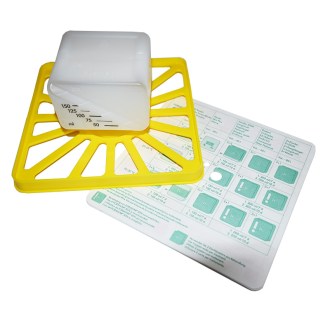
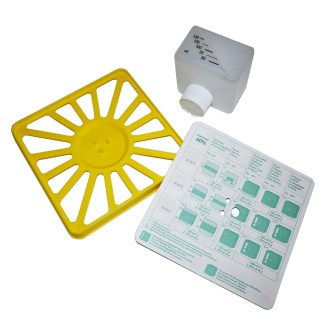


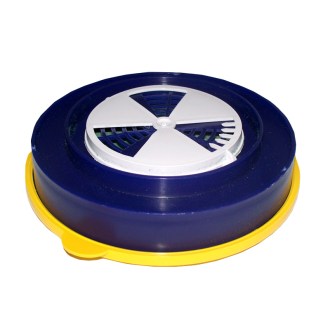
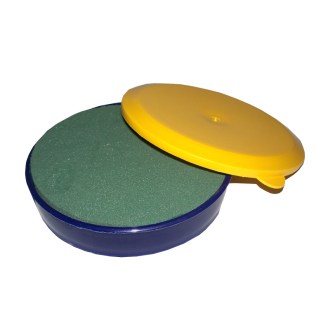
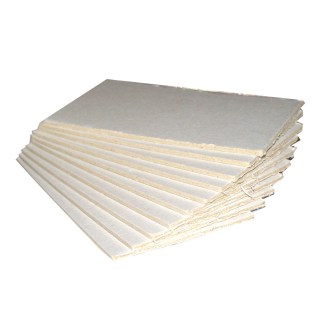

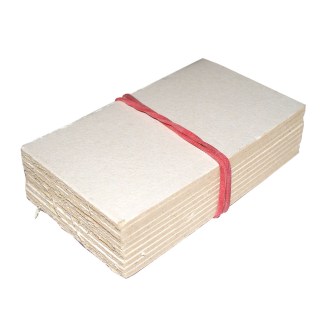
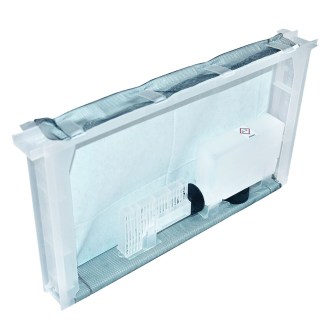
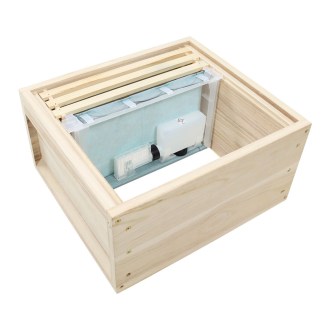
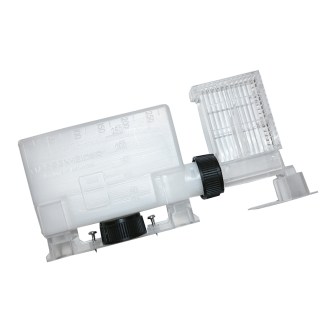

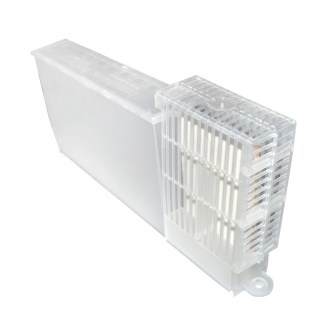
Varroa Destructor (Varroosis) and Other Bee Diseases
Here you will find everything you need for an effective fight against
the greatest enemy of bees.
Varroa destructor, also known as the varroa mite,
represents one of the most serious threats to honey bees
and poses a major risk to bee colonies worldwide. If this
parasite is not effectively controlled, it can cause severe
health problems and even the complete collapse of a colony.
For this reason, targeted treatment of varroosis is a crucial
aspect of modern beekeeping.
Fortunately, there is a wide range of methods for managing
the varroa mite, from chemical to organic approaches.
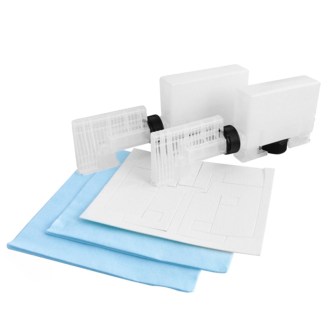
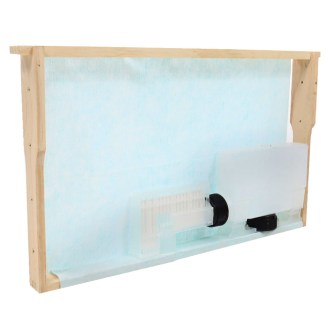
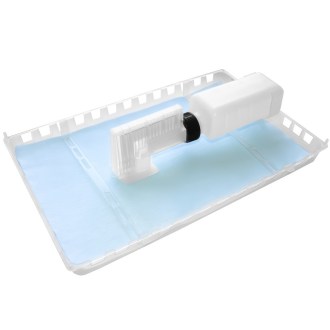
Formic Acid
Method description: This chemical method is one of
the most effective against varroosis. It is applied in liquid
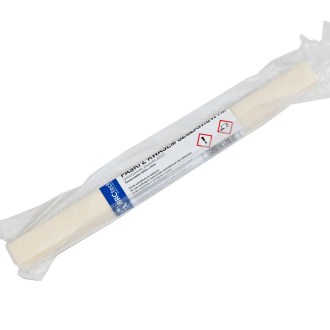
form using absorbent pads or gels placed in the hive and
evaporates gradually.
Acid application: Ideally used in summer or early
autumn, when the colony is broodless.
Advantages of this solution: Rapid effectiveness with
the possibility of use during honey harvest thanks to a short
withdrawal period.
Oxalic Acid
Method description: Applied either by trickling or
vaporization, it is especially recommended in winter when
the bees are without brood.
Acid application: Perfect for the winter months.
Advantages of this solution: High effectiveness with
minimal impact on the bees.
Lactic Acid
Method description: Used by spraying or trickling and
suitable for summer treatment.
Acid application: Effective in summer if the hives are
broodless.
Advantages of this solution: Gentle on bees while
remaining effective against mites.
Thymol
Method description: An essential oil derived from
thyme, applied as a gel or evaporated inside the hive.
Acid application: Suitable for use in summer and can
also be applied preventively.
Advantages of this solution: Effective against mites
and possesses antimicrobial properties.
Choosing the right treatment method depends on the season,
the condition of the bee colony, and local conditions.
Beekeepers should select methods that are both effective and
gentle on bees. Continuous monitoring and education are
essential for success in the fight against varroosis.
By using proven practices, beekeepers can ensure the health
and increase the productivity of their colonies. Visit our
online store and take advantage of a wide range of products
for the treatment of varroosis and other beekeeping needs.
Your bees deserve only the best.