









Feeders
We offer a wide selection of feeders suitable for all hive types. A feeder is essential for providing winter stores to your colonies. You can choose between top feeders and frame feeders, which are placed directly into the hive body and feature a feed tank for easy access by both bees and beekeepers. Top feeders help minimize the disturbance of the colony. Feeders installed within hive bodies work in a similar way to frame feeders. Alternatively, you can use jars with a perforated pad or specialized feeding buckets, which require a dedicated super for placement. Feeders prove invaluable during periods of nectar and pollen shortage or for giving a boost to splits and weaker colonies. With a range of feeder types and designs, you can easily find the best solution to suit your specific beekeeping needs.


Plastic feeder 6 l
Plastic semi-finished feeder for home using. You can made very easy top feeder with wolume 6 liters. Covers are included.
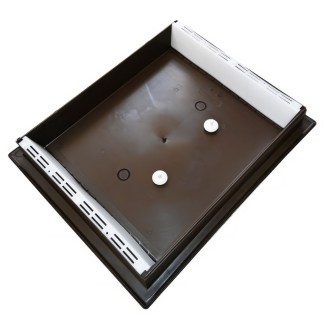
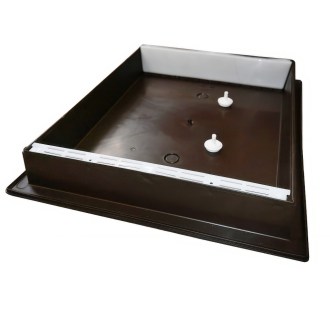
Langstroth feeder - brown
Feeder ceiling plastic for Langstroth beehive. A practical and high-quality plastic feed feeder for easy beeing.
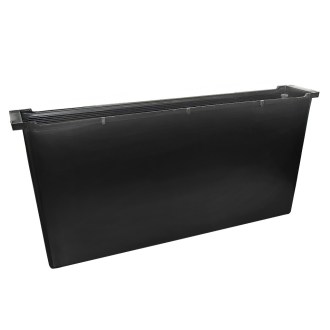
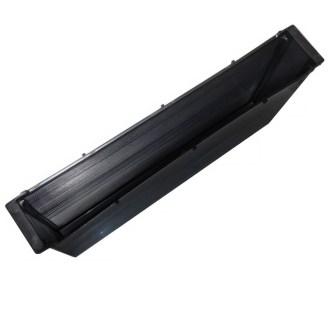
Langstroth Pro frame Feeder - 232 mm


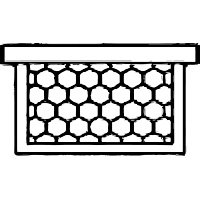
Frame feeder 39x24
Frame feeder that replaces 2 frames in czech size 39x24 (black plastic). Quality and practical feeder for sugar syrup...
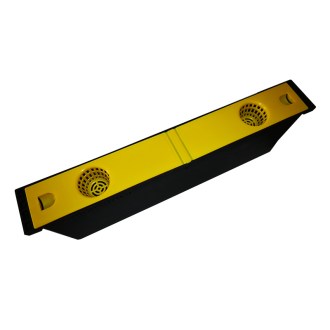
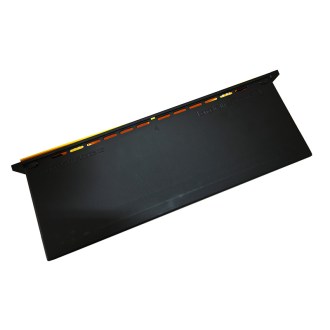
Langstroth Pro frame Feeder - 159 mm POK
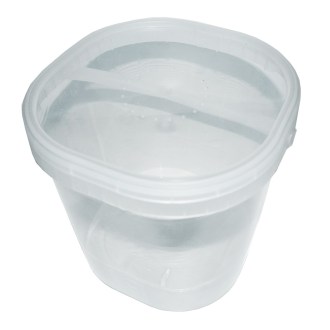
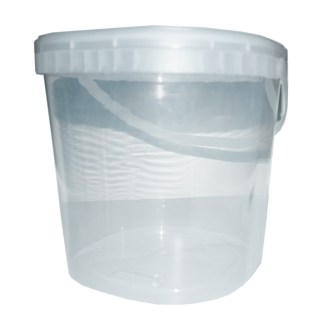
Contact feeder 6 l transparent
Position the mesh side down the hole in the crown board and cover it with a blank super and use empty hive box and roof.
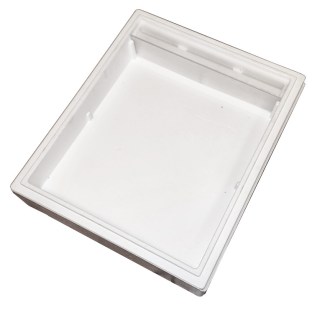
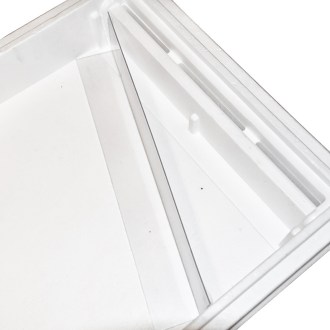
Polystyrene feeder for Langstroth beehive 10f
Very useful feeder for polystyrene beehives Langstroth. Polystyrene feeder with one entrance that is cover (bees can not drown).
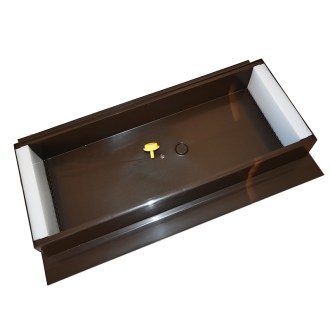
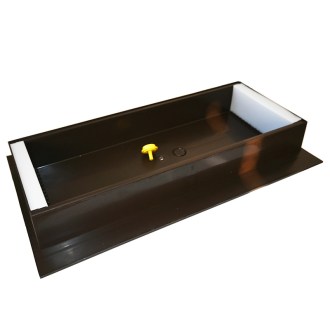
Langstroth feeder 4l - brown
Feeder ceiling plastic for Langstroth beehive. A practical and high-quality plastic feed feeder for easy beeing.
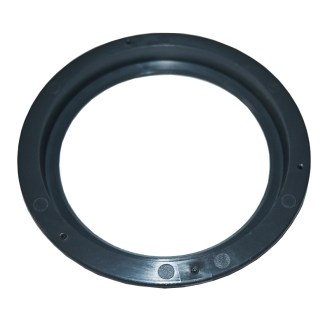
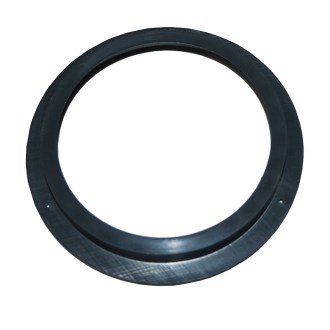
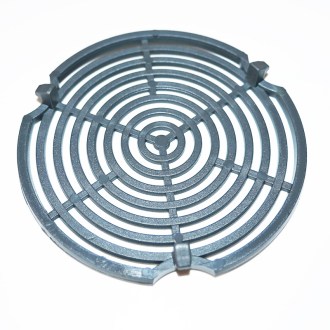
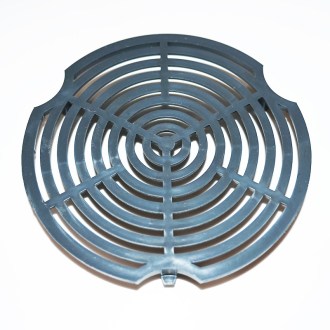


Ceiling feeder complete - Czechoslovak
Ceiling feeder with a plastic container with a capacity of 5 liters of solution.
Very practical and nowadays one of the most used variants of feeders.
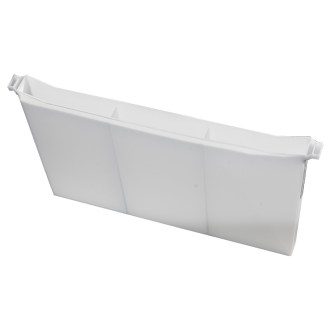
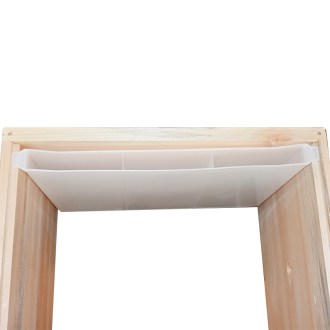
Frame feeder for Dadant - Langstroth Jumbo 285
Plastic frame feeder feeder for Dadant - Langstroth Jumbo 285 mm.
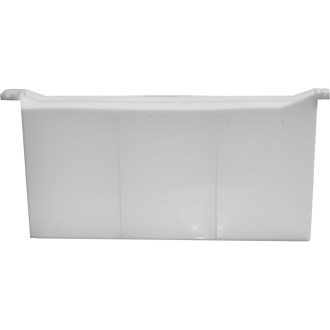
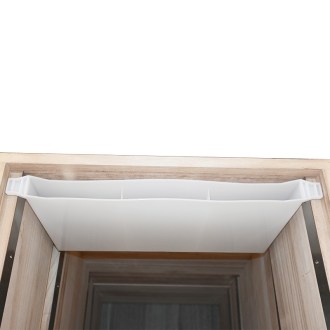
Frame feeder for Zander 223
Plastic frame feeder feeder for one Zander 223 frame. Rough surface of the inner side.


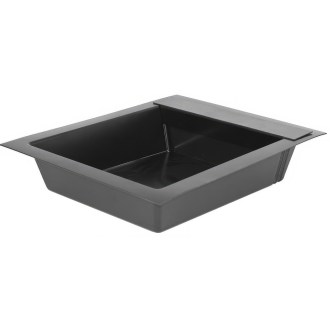
Plastic feeder Liebig size - 7 l
Made from a single piece of plastic with a plastic insert.
The feeder is also suitable for Langstroth hives.
Capacity 7 liters, weight approx. 1.5 kg.
Dimensions approx: 43 x 51 cm, height approx. 6 cm.

Feeder for Zander Liebig 8 l
Suitable for hives of Liebig Zander 10 frame and Liebig DNM 12 frame construction. Made of 2 mm thick plastic with an angled cover and aluminum sheet to be placed on the fold of the feeder.
Leakage pad under the feeder
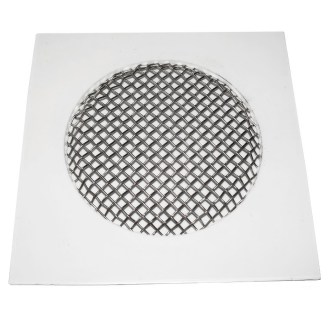
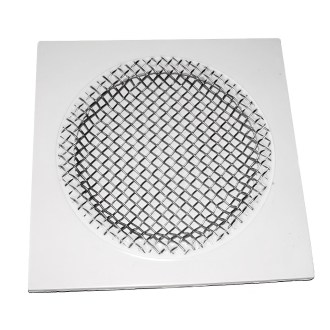
Leakage pad under the feeder (cap on a 4 liter glass). The pad is made of plastic and is centered wire mesh with a surface finish.
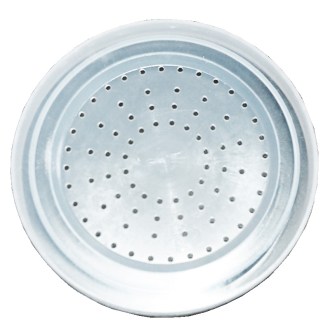
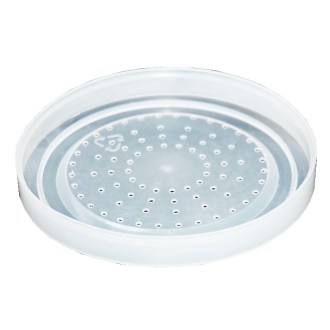
Plastic cap on 4 l glass - 80 holes
Plastic caps for 4 liters glasses. You can use it as cheap feeder.
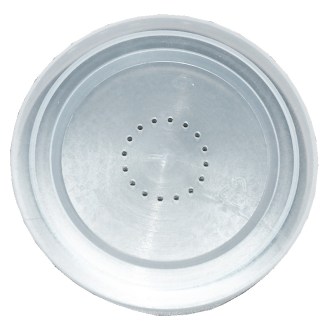
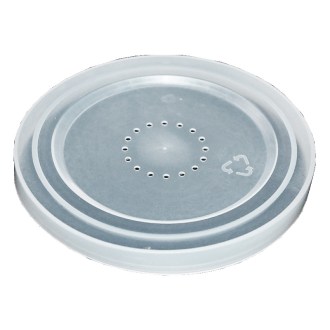
Plastic cap on 4 l glass - 16 holes
Plastic caps for 4 liters glasses. You can use it as cheap feeder.
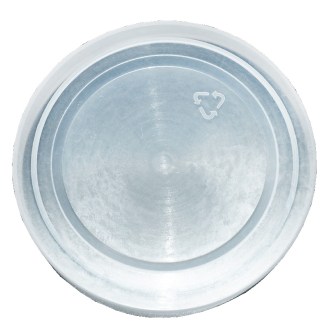
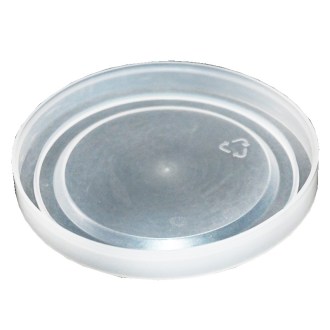
Plastic cap on 4 l glass - fully
Plastic caps for 4 liters glasses. You can use it as cheap feeder.


Mini Plus - frame feeder
Wooden frame feeder for Mini Plus, as wide as one frame.
Firmly nailed and glued.
External dimensions approximately 215 x 159 mm. Top bar 251 mm.


Ceiling feeder for Mini Plus
Wooden top feeder for Mini Plus. Firmly glued and stapled. External dimensions approximately 275 x 275 mm. Height 80 mm.
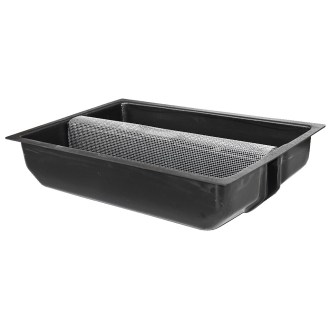
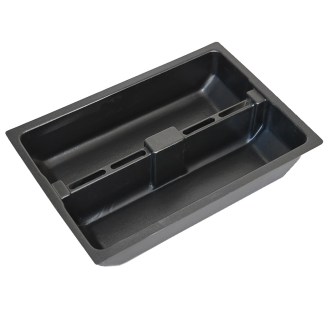
Langstroth - 8 frame plastic top feeder 12 l
Ceiling feeder Langstroth with a volume of 12 liters represents an ideal solution for efficient feeding of bee colonies in smaller hives. It is designed for 8-frame Langstroth hives, which are often also called "hives for women" due to their lighter weight.
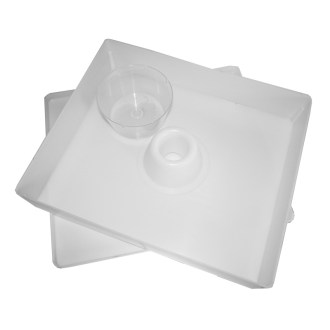
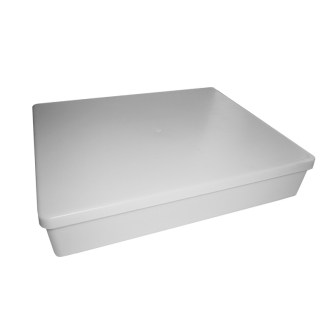
Top feeder 6 l
Position over the hole in the crown board and cover with an empty hive box and roof. Refill without disturbing the hive.
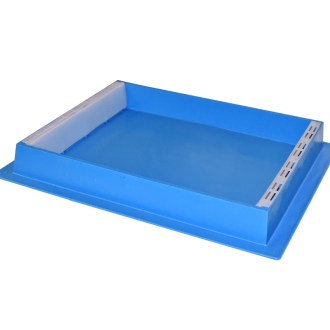
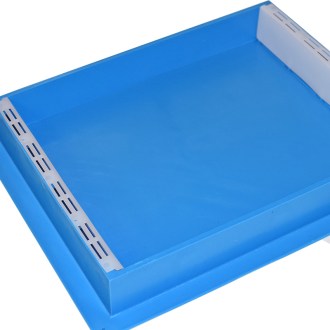
Langstroth feeder
Feeder ceiling plastic for Langstroth beehive. A practical and high-quality plastic feed feeder for easy beeing.


Round top feeder 1,8 l
Position over the hole in the crown board and cover with an empty hive box and roof. Refill without disturbing the hive.
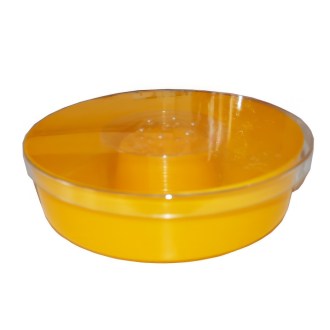
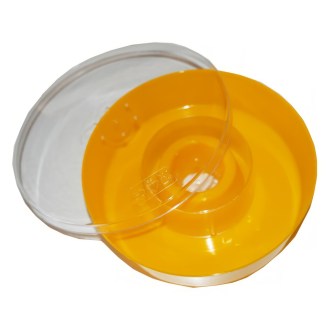
Feeder capacity 1 liter - plastic
Plastic feeder with a volume of 1 liter, for supplementary feeding of bees. Due to its small dimensions, it is suitable for mini hives, mating nucs, swarm boxes and others.
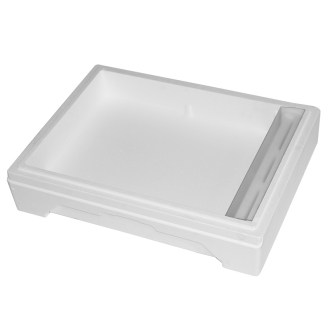
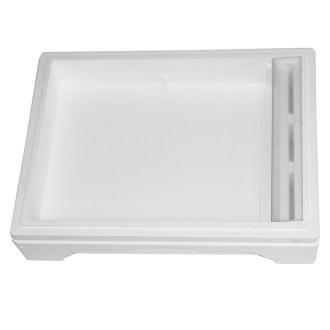
Polystyrene feeder for Langstroth beehive 8f
Very useful feeder for polystyrene beehives Langstroth. Polystyrene feeder with one entrance that is cover (bees can not drown).


Ceiling Feeder for Zander Liebig Hives
Basic dimensions 520 x 420 mm.
Capacity approximately 10 liters (14.00 kg).
Wood thickness 20 mm.
Wooden parts should be coated with a suitable finish on both the outside and inside.
Made of wood.
Feeding Bee Colonies: Essential Aspects and Methods
Feeding bees is a fundamental part of beekeeping, necessary for maintaining healthy and strong colonies, especially during periods of natural resource scarcity. There are various approaches to feeding bees, which differ depending on the season and specific needs of each colony. Below, we focus on autumn feeding, ongoing stimulation, and different feeding techniques.
1. Autumn Feeding
Autumn feeding is the key method to substitute the honey harvested during the summer. This procedure is critical for ensuring that colonies have ample reserves to survive the winter. There are two main methods used:
-
Leaving Honey Stores: The simplest way to prepare hives for winter is to leave part of their own honey for the bees. This method is particularly advantageous in regions with rich nectar resources, such as areas abundant in sunflower or canola honey.
-
Sugar Syrup: In areas where leaving honey stores isn't practical, a sugar syrup mixed at a ratio of 3:2 (sugar:water) is used. Large-capacity equipment, such as tanks, heavy-duty mixers, and pumps, can be utilized to facilitate mixing when preparing large volumes.
2. Stimulative and Ongoing Feeding
Continuous feeding is mainly important for the creation of nucleus colonies and supporting the growth of young colonies during suboptimal weather or nectar flows.
-
Honey-Sugar Dough (Candy): Used predominantly in nucs and mating hives. Recipes vary from long-lasting types (typically made from three parts powdered sugar to one part honey) to formulas meant for rapid consumption, where water is added for easier processing.
-
Sugar Syrup: Provided in smaller and more frequent doses, typically mixed at a 1:1 sugar-to-water ratio.
3. Bee Feeding Methods
Beekeepers can choose from several effective methods for supplementing bee colonies:
-
Large Capacity Feeders: Large tanks with floats that help prevent bees from drowning. These feeders allow for contactless feeding and can be stacked for efficient storage. Their limitation is that syrup uptake is reduced during cold weather.
-
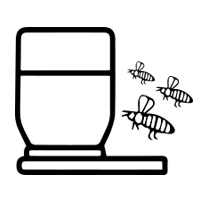
Inverted Feeding Bottles: Jars with feeding holes provide a simple feeding solution, eliminating the need to pre-mix syrup when using coarse sugar. However, they can be challenging to clean and store.
-
Frame Feeders: Replace one or two frames inside the hive, remain accessible to bees even in cooler temperatures, and allow for contactless syrup refilling. However, their capacity is limited (especially in shallow hive bodies), and leakage can be an issue.
Feeding bees is a complex process that requires understanding the bees' needs and adapting the strategy to current hive and weather conditions. Proper maintenance of feeding equipment and correct preparation techniques are also crucial factors influencing seasonal success.
Preparing Sugar Syrup for Bee Colonies
Feeding honey bee colonies with sugar syrup is a common practice among beekeepers, particularly when preparing bees for winter. The preparation of sugar syrup is not just a routine task but demands strict adherence to ingredient ratios and an understanding of optimal methods.
Ratio and Syrup Preparation
For autumn feeding, the ideal sugar-to-water ratio is 3:2 by weight. This dense syrup aids bees in building crucial winter stores when natural forage is unavailable.
Preparation Methods:
-
Traditional Pot Method: Especially suitable for novice beekeepers, this classic process involves boiling water, then removing it from heat before stirring in sugar. Constant stirring is vital for dissolving sugar thoroughly, and a second batch of water can be prepared in another pot for efficient workflow.
-
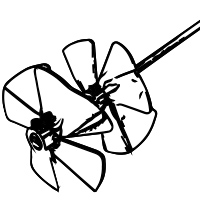
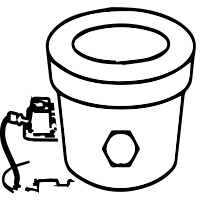
Mechanical Mixing with Drill: For larger quantities, a drill with an attachment can be used to mix the syrup. This method speeds up the process considerably, as the combination of heat and mechanical force dissolves sugar efficiently.
-
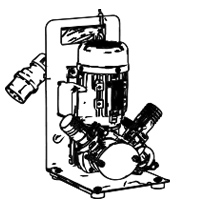
Automatic Tank Mixing with Sludge Pump: To minimize manual effort, a sludge pump in a tank can mix the syrup automatically, though boiling water can't be used. The device ensures continuous mixing and saves both time and energy.
Large Capacity Feeders (Tanks)
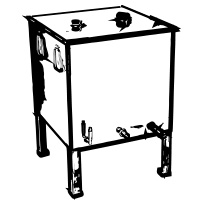
Efficient feeding requires proper tools that enable easy handling and minimize unexpected complications. Large capacity feeders—essentially tanks—are an optimal solution for those seeking to make feeding more efficient and reduce the frequency of refilling visits.
Key Principles:
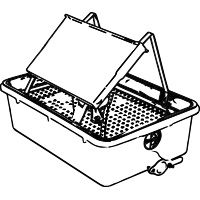
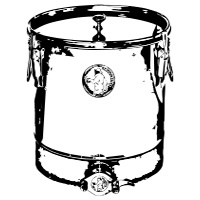
A large tank with a capacity of 10–15 liters provides enough space to accommodate more syrup at a time. It is equipped with floats to prevent bees from drowning and can be positioned either in the hive's bottom space or in an empty super above the nest.
Advantages:
-
Time Efficiency: Reduces both the number and duration of visits to the apiary.
-
Contactless Feeding: Using a mesh, the feeder can be isolated, preventing bee disturbance while feeding.
-
Easy Storage: Tanks can be stacked, making off-season storage convenient.
Disadvantages:
-
Reduced Uptake in Cold: Bees may stop taking syrup at lower temperatures.
-
Space Requirement: Top feeding requires an extra super on the hive.
Practical Tips for Making and Using Feeders:
Feeders can be constructed from commonly available materials such as square plastic tubs, large canisters formerly used for distilled water, or connected tetra pak cartons. There are also purpose-made plastic moldings tailored for specific hive types, offering excellent functionality at a reasonable cost.
Large tank feeders are an efficient way to manage feeding without investing excessive time or energy. The key to success is careful syrup preparation and selecting the right type of feeding tank that meets your colony's needs.
Frame Feeders – a Flexible Option
Frame feeders can replace one or two frames within a hive and are installed on the hive sides. Their capacities vary, from compact single-frame feeders holding 1.5 liters up to double-frame models with over 7.5 liters.
Advantages:
-
Maximizes Hive Space: Located inside the hive, these feeders allow for feeding even during cold weather.
-
Efficient Use of Space: Some designs are stackable.
-
Contactless Refilling: Using mesh covers, syrup can be topped up without disturbing bees.
Disadvantages:
-
Limited Capacity: Requires more frequent filling in shallow hives.
-
Risk of Leaks: Particularly common with wooden feeders.
-
Challenging Maintenance: Cleaning after use can be difficult.
Advantages:
Aside from commercially made plastic feeders, frame feeders can be constructed from wood, plastic, hardboard, or plywood. Modified plant troughs or tetra-pak cartons can also be adapted effectively.
Inverted Bottles – a Traditional Solution for Simple Feeding
Disadvantages
Inverted feeding bottles are usually large 3.5-liter glass jars with special lids containing feeding holes. These jars are filled with prepared sugar syrup or coarse sugar and water. Turned upside-down, they rest on the top frames of the upper hive body, providing easy access for the bees.
Advantages:
-
Efficient Feeding: Using up to four bottles per hive reduces the frequency of apiary visits.
-
Simple Preparation: With coarse sugar, there’s no need to premix syrup.
-
Suitable for Cool Weather: Bees can access feed even during cold days, thanks to insulated hive covers.
-
Contactless Feeding Options: Possible with the use of wire mesh inserts.
Disadvantages:
-
Difficult Storage: Glass jars are fragile and cannot be stacked easily.
-
Extra Hive Bodies Needed: Shallow hives may require two supers to accommodate the jars.
-
Higher Cost: Coarse sugar tends to be more expensive than other feed types.
-
Extra Maintenance and Positioning: Lids become coated in propolis, bottles must remain level, and cleaning is labor-intensive.